Search
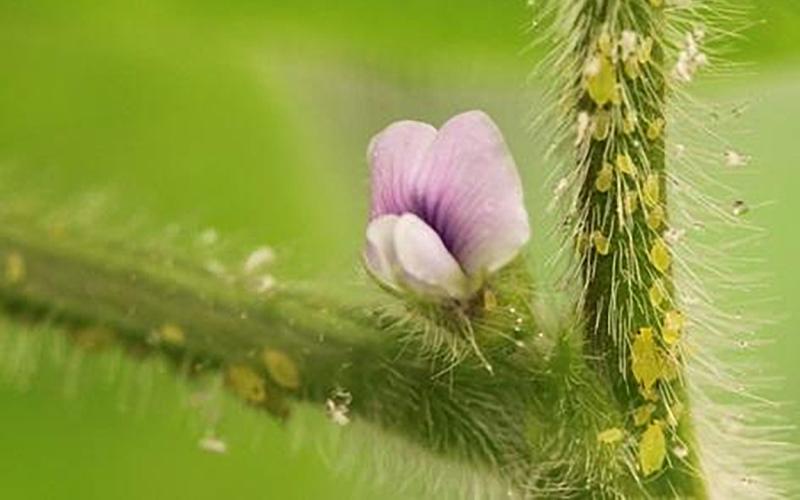
Soybean Aphids Are Active in South Dakota
Small populations of soybean aphids were recently identified while scouting soybean in the Volga and South Shore areas. This is a good reminder that scouting should be ongoing to ensure that populations do not exceed thresholds.
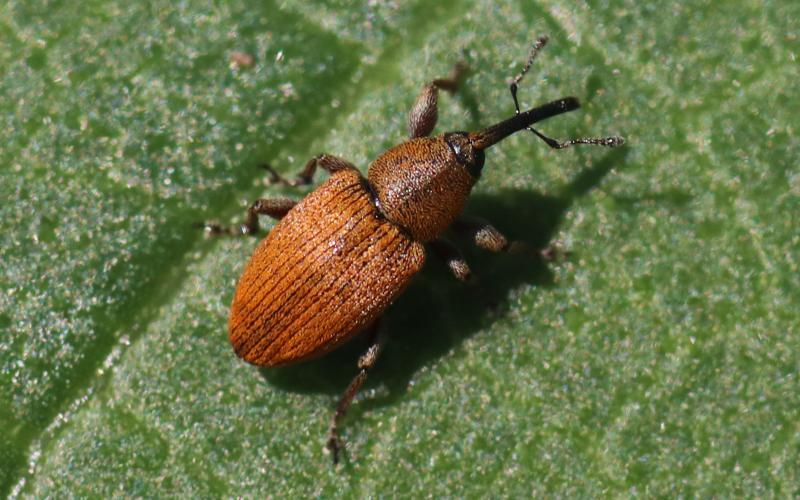
Red Sunflower Seed Weevils Emerging in South Dakota
Red sunflower seed weevil adults are emerging in South Dakota and some have been observed in sunflower fields. Learn how to scout and manage this pest before it impacts your sunflowers.
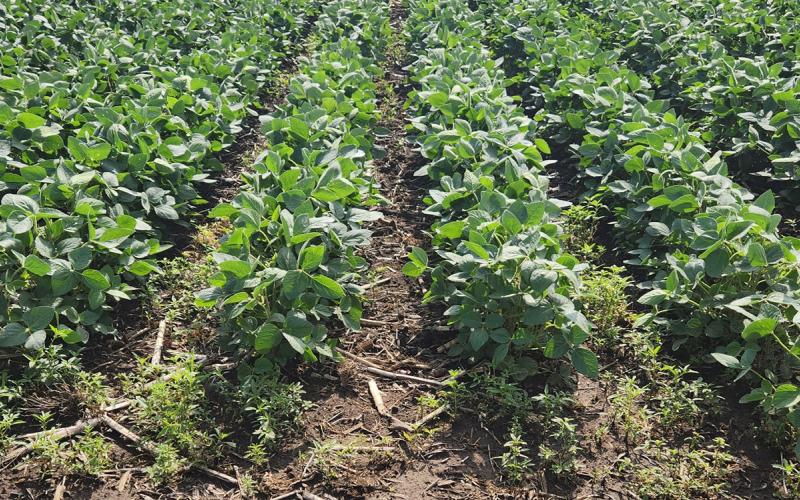
The Value of a Preemergence Herbicide After a Dry Period During the Growing Season
Preemergence herbicides are an essential component of weed management, even when early season weather isn't cooperative. Learn about some of the benefits they can offer following a dry growing season.
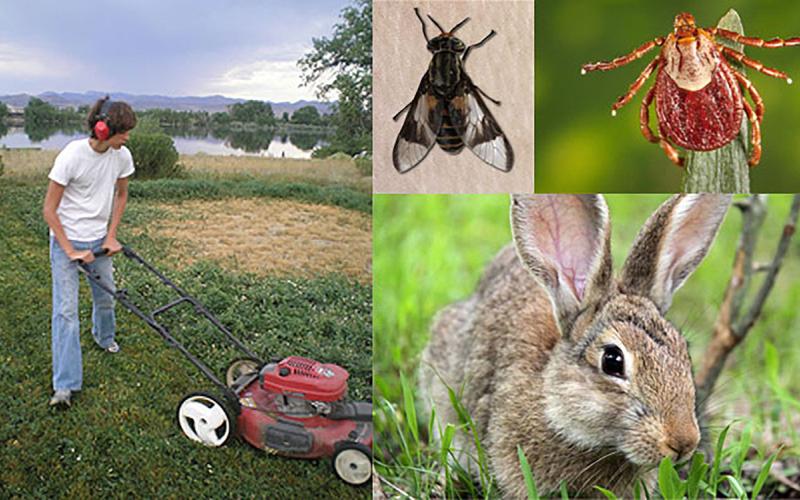
Tularemia in Animals in South Dakota
Tularemia is a relatively rare, but serious, disease that has potential to cause disease in people through their contact with infected animals or insect vectors. Learn how it's transmitted, diagnosed and treated.
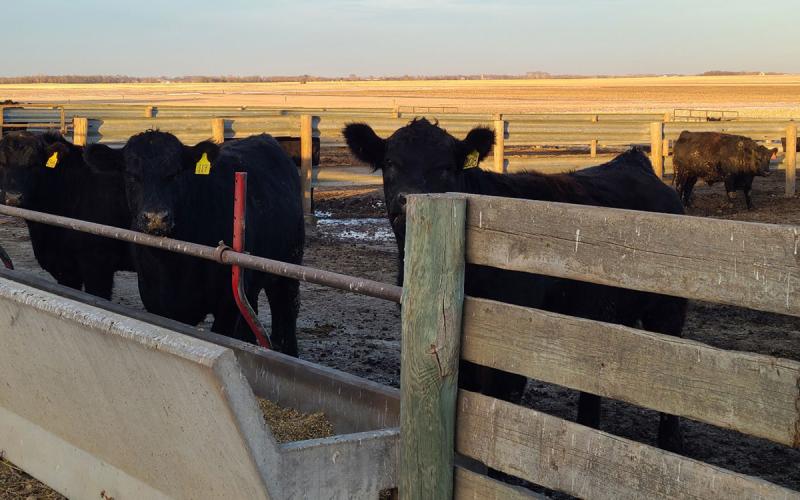
Comparing Soybean Meal to Distillers Grains for Finishing Cattle
Do different protein sources lead to significant performance differences in finishing cattle? The results of a recent experiment at the SDSU Southeast Research Farm offer cattle feeders some encouraging findings.
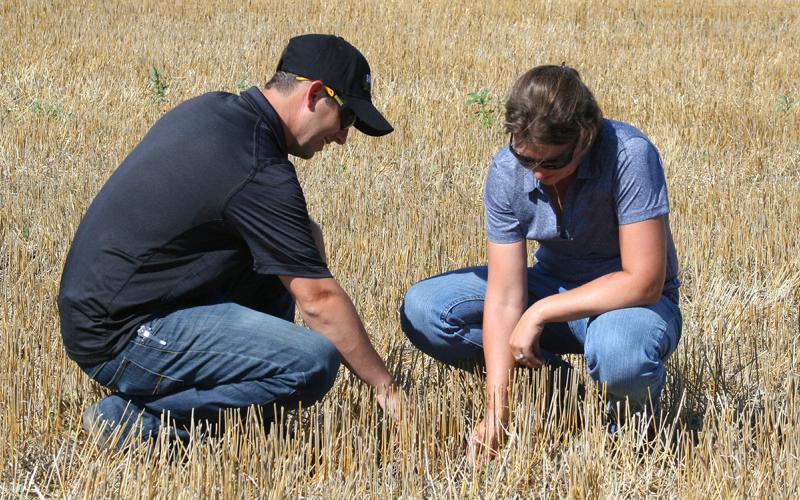
Managing Cover Crops in Moisture Deficits
Planting cover crops after small grain harvest can be risky in central South Dakota. The decision to incorporate them into an annual cropping system should consider historical precipitation, soil water holding capacity, and soil moisture at time of planting.
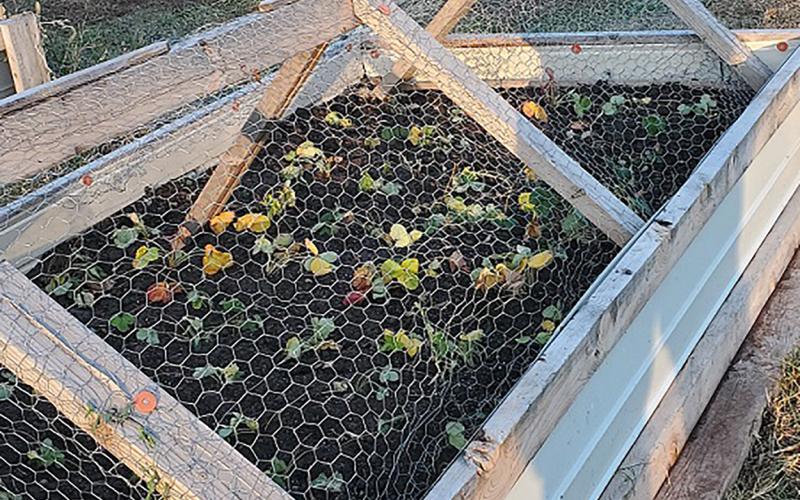
Preventing and Dealing with Hail Damage in the Garden
Do you live in an area prone to hailstorms? All is not lost! Learn about some options to protect your plants when storm clouds threaten along with strategies for caring for damaged plants afterwards.
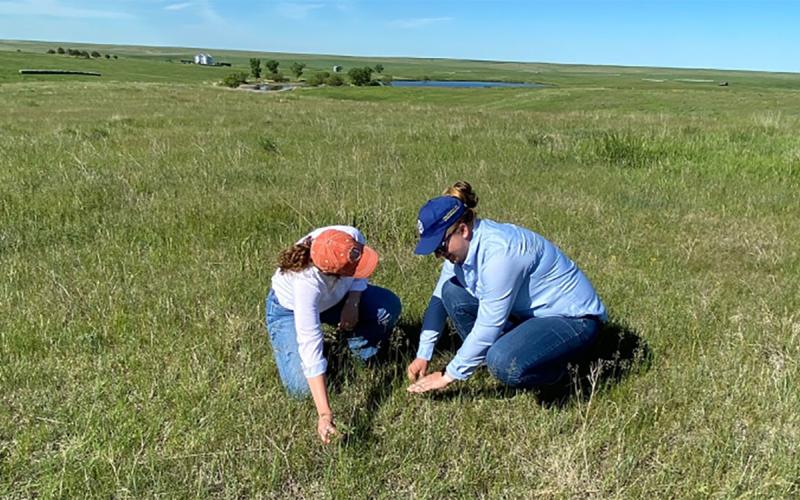
Women on the Range workshop on social media set for Aug. 17
July 24, 2023
SDSU Extension will host a Women on the Range - Leveraging Social Media workshop at approximately 9 a.m. and lasts until 5 p.m. MT on Aug. 17, 2023, at the 777 Bison Ranch near Hermosa, South Dakota.
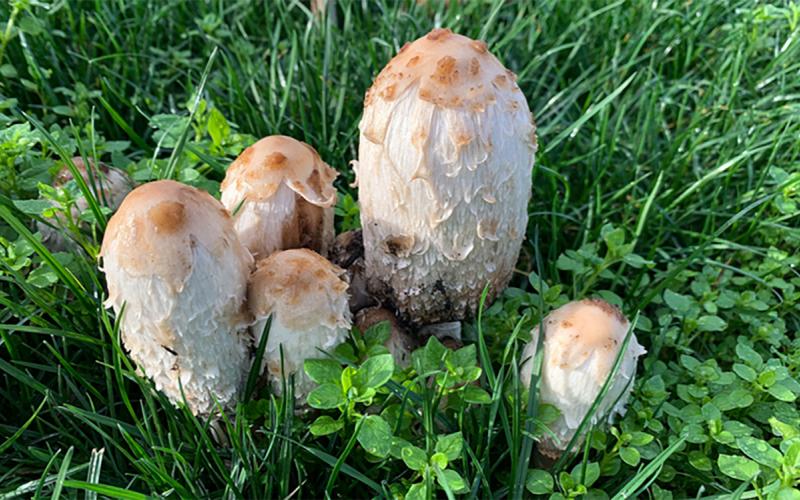
Managing Mushroom Growth in Home Lawns
While mushrooms can be fascinating to observe, their presence in your yard may indicate underlying issues that require attention. Learn some tips on how to effectively get rid of them and maintain a healthy, mushroom-free lawn.
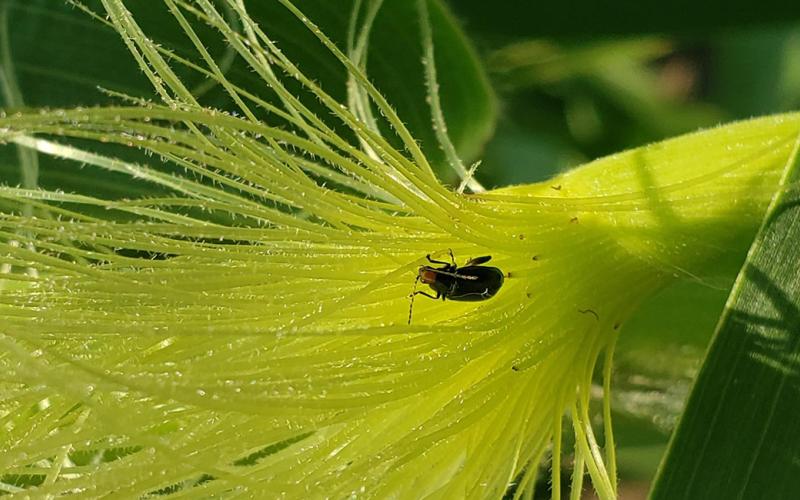
Redheaded Flea Beetles Clipping Corn Silks
While scouting corn last week, we noticed populations of redheaded flea beetles. These defoliators were removing leaf tissue, but the bigger issue with redheaded flea beetles is that they feed on corn silks as well.