Search
Animal Science Research and Extension Report
Research report from Animal Science Department covering a variety of areas in livestock production.

Cyber Insurance for Agriculture
Fact sheet about cyber insurance for agriculture

Calving Software: A Modern Consideration
Calving software offers many benefits, including the ability to keep track of records year-over-year and identify if management actions are aligning with calving season.
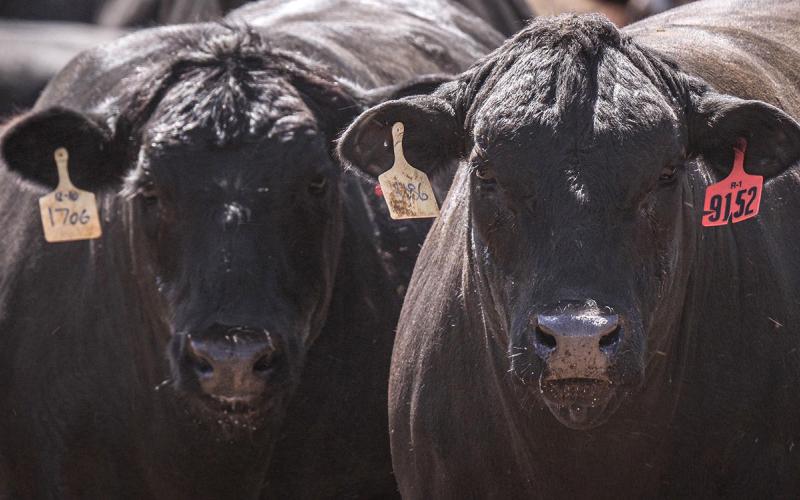
Heat Stress in Feedlot Cattle
High temperatures, humidity and low air movement create the perfect storm for heat stress in feedlots. Learn some expert tips for maintaining performance and reducing losses as we approach the hottest months of the year.
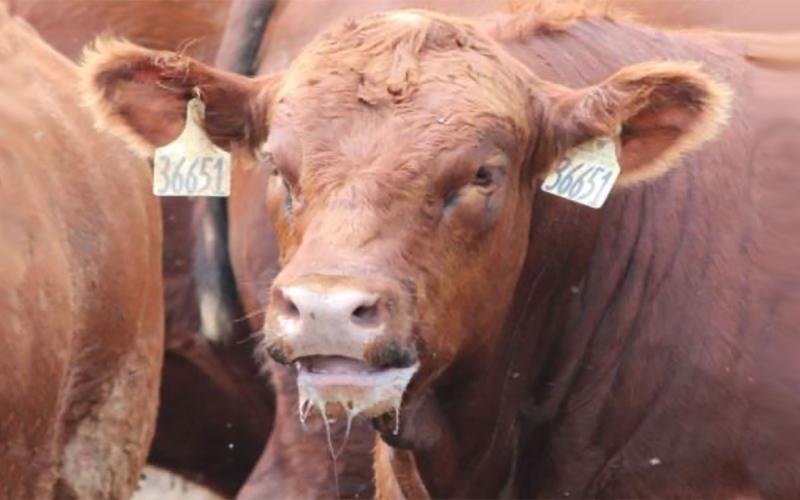
Heat Stress Forecasting Apps Available
Early summer heat stress in feedlot cattle is often triggered by rapid changes in temperature and humidity before cattle become acclimated to warmer conditions. Learn about some management tools that you can use to protect your herd.
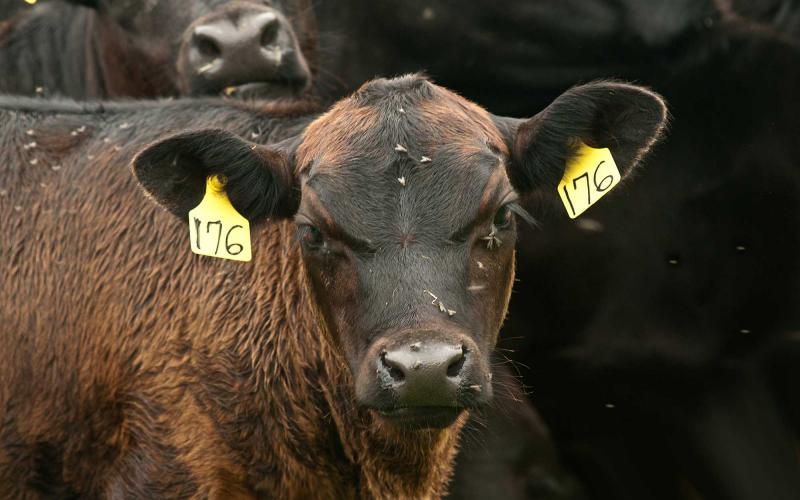
Summer Fly Control in Feedlots
Just as longer days mark the beginning of summer, so does the arrival of increased number of flies in feedlots. Flies are not only are an annoyance, they can reduce performance and worsen heat stress. Successful control strategies start with sanitation.
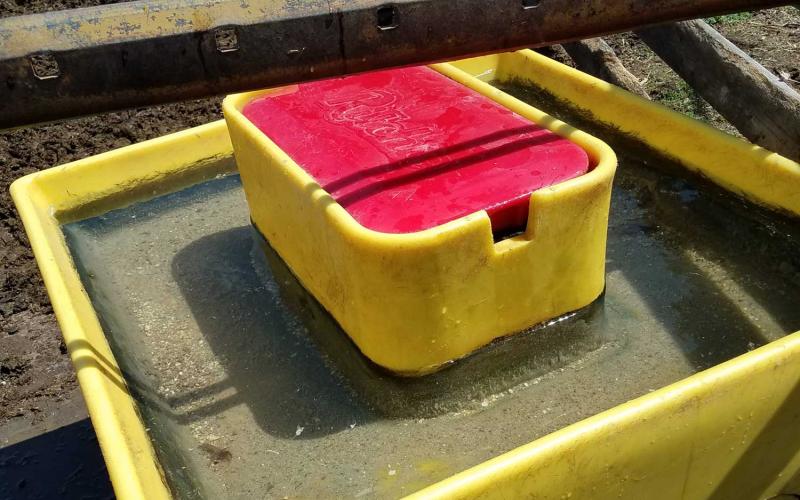
Water: The Unappreciated Nutrient
Water intake is strongly linked to feed intake, so any factors that cause cattle to drink less will lead to reduced feed intake and consequently reduced performance.
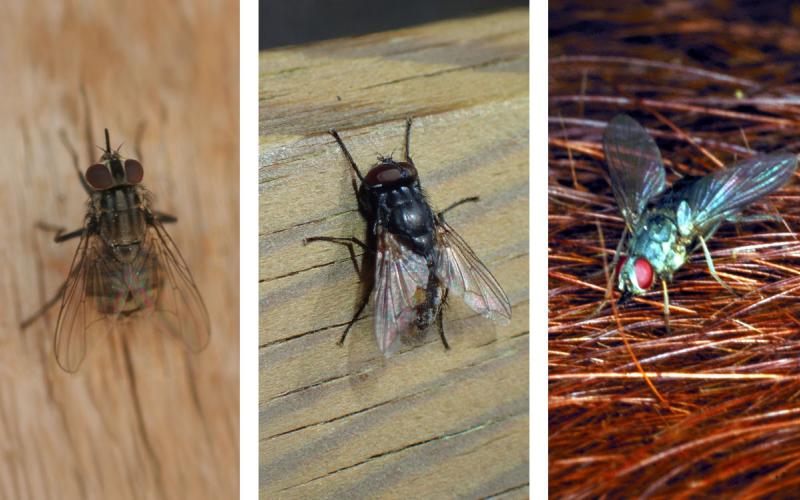
Fly Management for Cattle
There are several species of flies that can reduce the production value of livestock, particularly during hot, dry weather. To manage these pests, it’s important to be able to accurately identify them and understand their life cycles.

State Fair Book
Use the State Fair Book to prepare 4-H exhibits for the South Dakota State Fair.
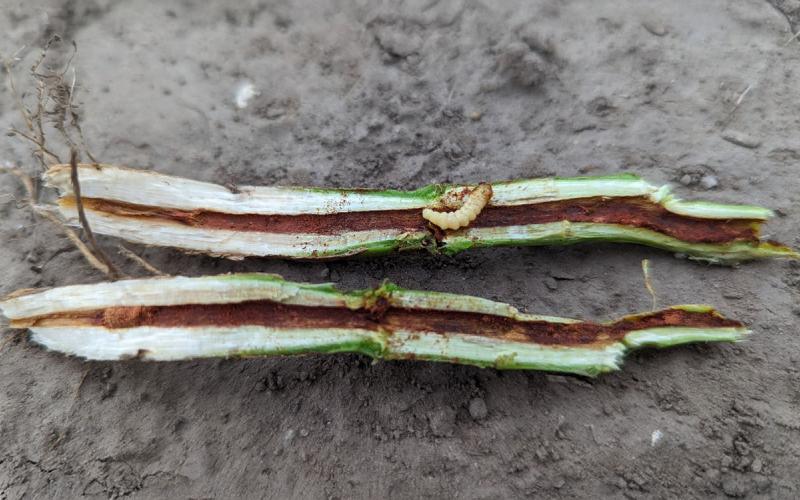
Dectes Stem Borer Adults Detected in South Dakota Soybean
Dectes stem borer adults have been collected from soybean in Southeastern South Dakota this week. As a reminder, the larvae of insect pest are capable of reducing soybean yields from 0-17% due to its feeding activity inside of the main stem.