Search
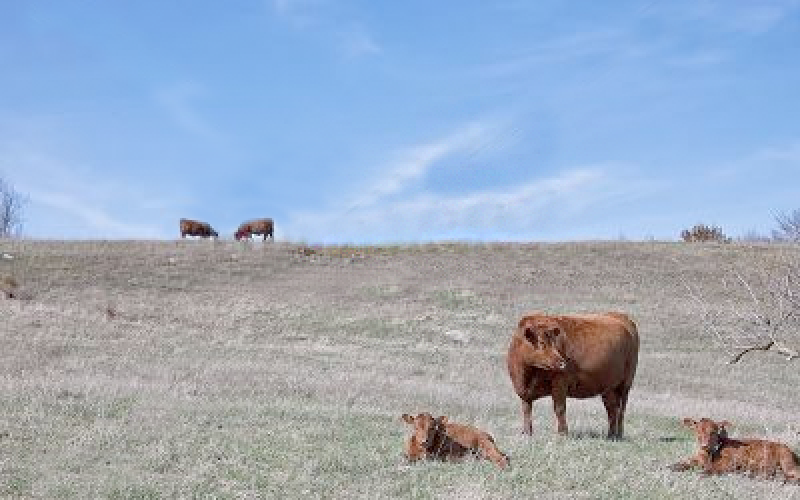
Grass Tetany: Now Is the Time To Prepare
Grass tetany is a metabolic disorder associated with grazing lush, rapidly growing pastures. Learn the factors that influence its progression along with tips for preventing and managing it in herds.
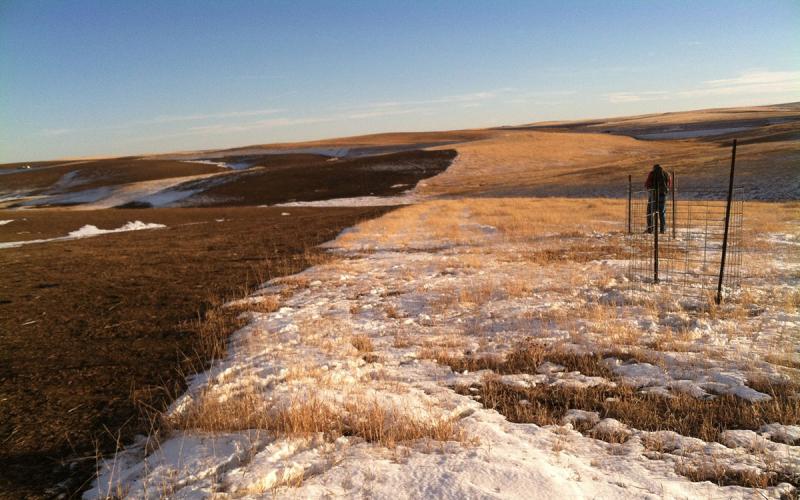
Reading the Range in Winter: What Dormant Season Clues Reveal About Spring
For range and grazing management, winter is one of the most revealing times of the year. With a few hours in each pasture, managers can gather a season’s worth of insight and set themselves up for a more-resilient grazing year.
Choosing Beef Genetics for Use in Dairy Herds
Combinations of new technologies and economic challenges often usher in sweeping changes and opportunities. The use of beef genetics on dairy cows is the most-recent example.
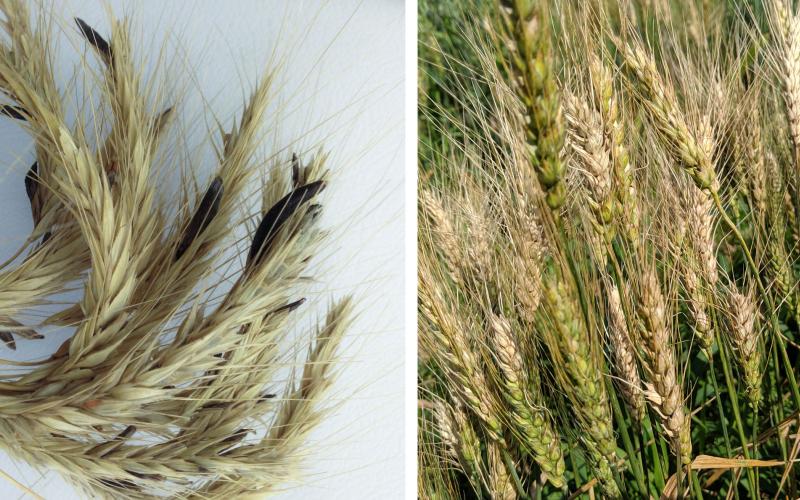
Assess Your Fields for Ergot and Fusarium Head Blight Before Harvest
The 2019 wheat harvest is well underway in South Dakota, with many acres of winter and much of the spring wheat crop left to harvest. To date, reports on yield and quality have been variable, depending on when the crop was seeded, weather conditions at important growth stages (such as flowering and grain fill) and disease pressure throughout the season.
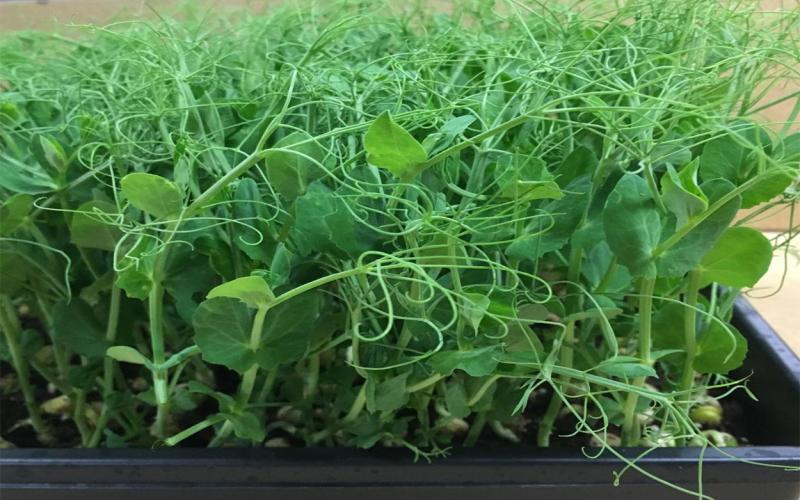
Growing Microgreens at Home
The fall through early spring season can provide an opportunity to grow certain food indoors. Growing microgreens can be an excellent way to add nutritious, fresh vegetables to your diet without taking up a lot of space in your home.
Anthrax: Vaccination Considerations
Anthrax is caused by bacteria, Bacillus anthracis, which has the ability to form very resistant spores in the soil. These spores can remain viable for many years on pasture, and become reactivated when the right environmental conditions exist. Fortunately for cattle producers, losses due to anthrax can be prevented through use of a vaccine that has proven its effectiveness through the years.
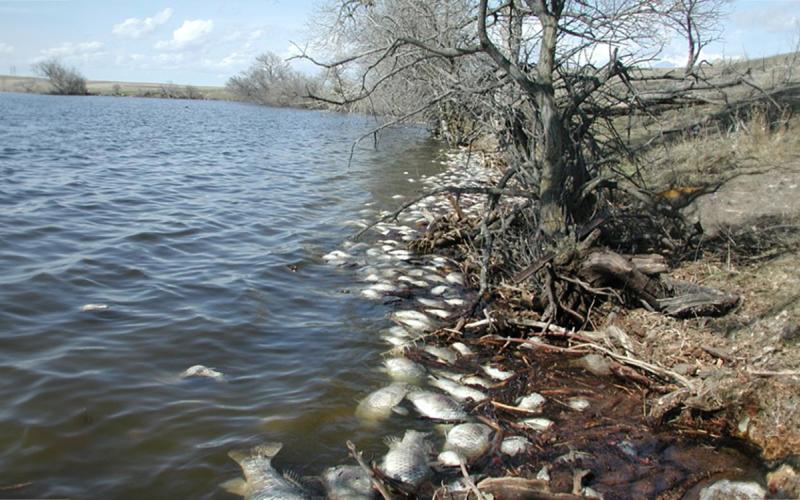
The Most-Common Cause of Fish Kills in South Dakota
There are many ways for fish kills to occur in freshwater lakes, but the most-common cause by far is dissolved oxygen depletion. Learn about some of the seasonal and environmental factors that can lead to oxygen depletion.
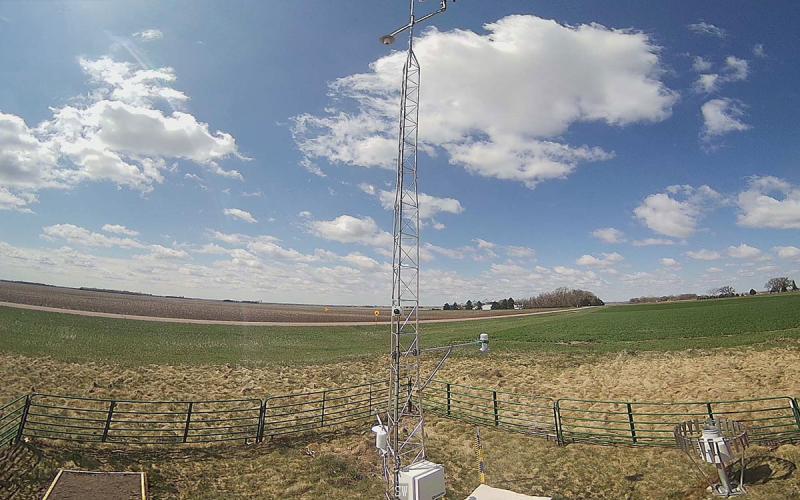
Building Resilient Farms Amid Increasing Weather Variability
Recent decades have brought a noticeable increase in climate variability in South Dakota. Understanding these trends and adopting adaptive management practices can help producers strengthen the resilience of their operations.
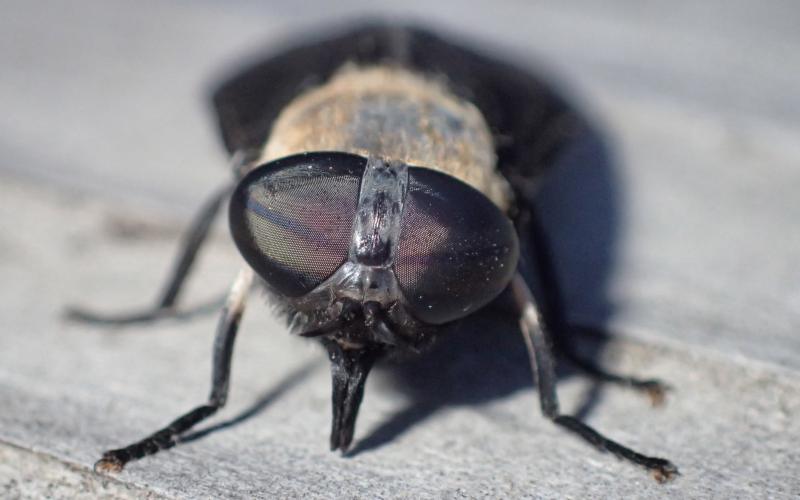
What are Those Gigantic Flies?
As we progress later into the summer, we commonly see an increase in horse fly activity.
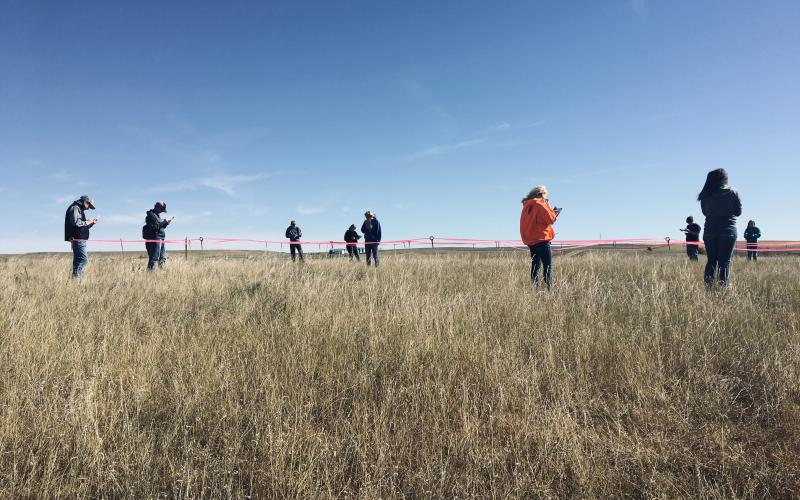
Rangeland and Soils Days set for June 2 in Murdo, Redfield
May 06, 2021
The event will focus solely on the Go-Getter (14-to-18-year-old) division. The Go-Getters will judge habitat suitability for cattle and grouse, in addition to plant identification and morphology.