Search
COVID-19 and Livestock: Is there a connection?
When reports of the COVID-19 pandemic first hit the US, very few people had likely heard of coronaviruses—with some notable exceptions: cattle producers and their veterinarians.
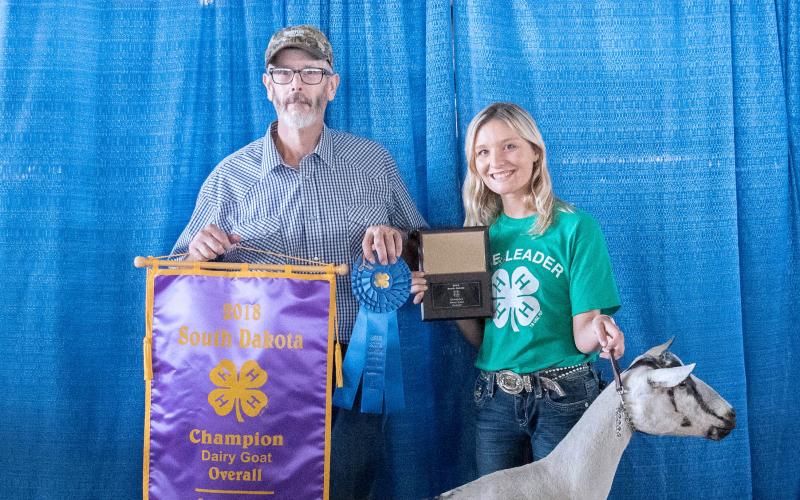
4-H Dairy Goats Project
Did you know that dairy goats produce milk, mohair, and meat? 4-H members can learn skills in handling, caring for, and training a goat. Youth can also learn more about nutrition and safety.

Producing Organic Cabbage and Sweet Corn with Cover Crop Integration and Reduced Tillage: Updates from the SDSU Southeast Research Farm
Research on clover cover crops grown in combination with four tillage and weed suppression methods was conducted at the SDSU Southeast Farm. Vegetable crops trialed included sweet corn and three varieties of cabbage.
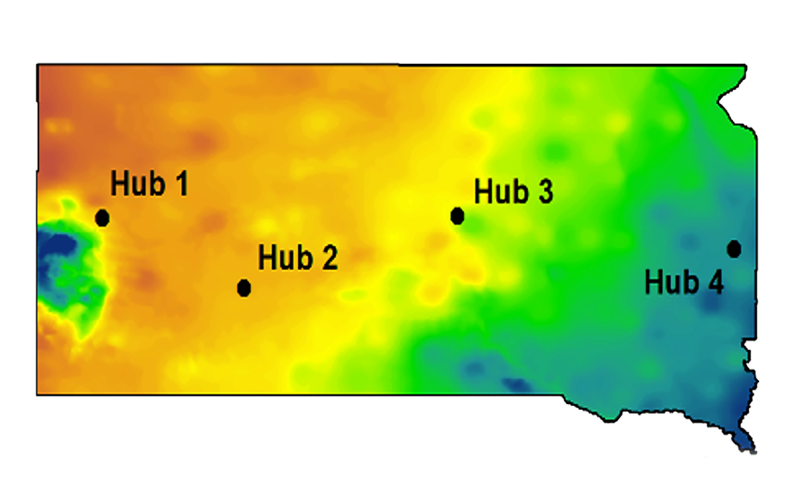
Range Roundup: Precision Agriculture Range Project With Producer Participation
SDSU Extension researchers started a new precision agriculture range project using remote sensing, machine learning, and ground-collected vegetation samples to develop an application to measure forage quality and quantity throughout the state in near real-time.
Stockmanship and Stewardship
During this episode of Cattle HQ, Madison Kovarna shares information about an upcoming event being presented by Addie Stamps, SDSU Extension Livestock Production and Stewardship Field Specialist call the Stockmanship and Stewardship Conference.
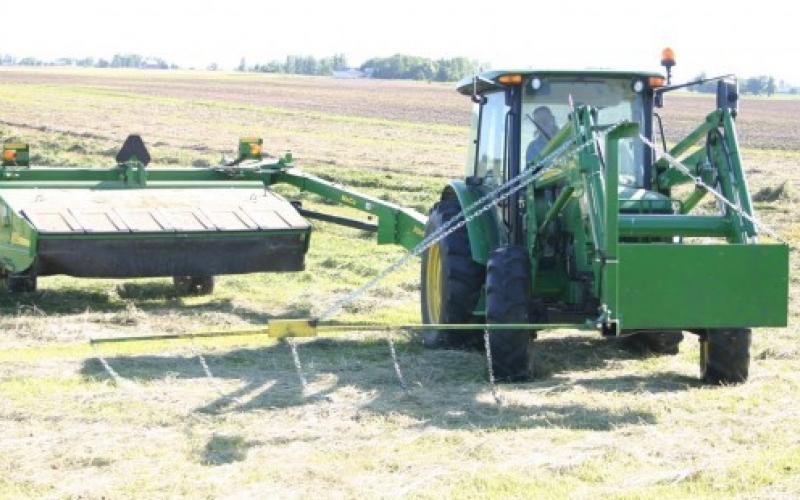
Haying With Wildlife in Mind
Anyone who has spent time cutting hay knows that hayland can be a magnet for wildlife in late spring and early summer. Hay fields are often considered an “ecological trap” for wildlife; that is, they appear to be high quality habitat for nesting or feeding due to tall, dense grass and legumes, but often lead to increased mortality once harvesting is under way.

Calving Apps: Beyond the Barn
There are many calving apps available for smart phone users, and finding the right one can be challenging. Learn some expert tips on selecting the right one to accomplish your operation's goals.
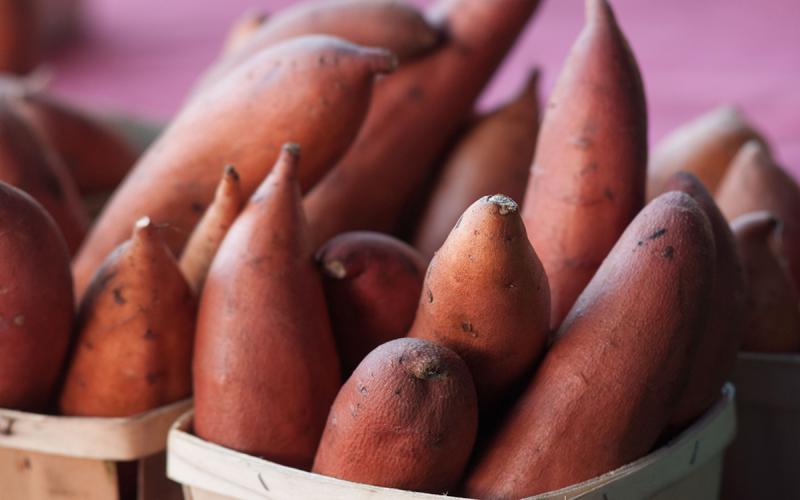
Sweet Potatoes: How to Grow It
Sweet potatoes are native to Central and South America, and their tasty orange flesh is a dietary staple in warm climates. Learn some expert tips for planting, growing, and harvesting them in this resource!
Forage Crop Insurance Options
In this episode of Cattle HQ, Kim Ricardo, SDSU Extension Forage Field Specialist, and Parker Witt, SDSU Extension Crop-Livestock Systems Field Specialist, sit down with Dr. Matthew Diersen, SDSU Extension Risk and Business Management Specialist, and Dr. Sarah Sellars, SDSU Extension Sustainable Farm and Food Systems Specialist, to discuss forage crop insurance programs and the benefits they can bring to operations experiencing extended dry periods.

SDSU Extension 4-H recognizes 2024 Premier Exhibitor awards
November 04, 2024
Sixty 4-H members are being recognized for their hard work and accomplishments in the 4-H animal project areas with the Premier Exhibitor Award. The award is divided into four categories: large animal (beef, sheep, swine, meat goat); small animal/dairy (poultry, rabbit, dairy goat and dairy cattle); horse; and dog.