Search

South Dakota State 4-H Ambassadors Attend National 4-H Youth Agri-Science Summit
January 24, 2020
Hands-on learning experience prepared youth to develop an action plan to address local agri-science challenges.

Our Community Will Never Change
Change is inevitable in all small towns, but communities have a choice to either let change happen passively or work together to direct it in a way that moves their shared vision into the future.
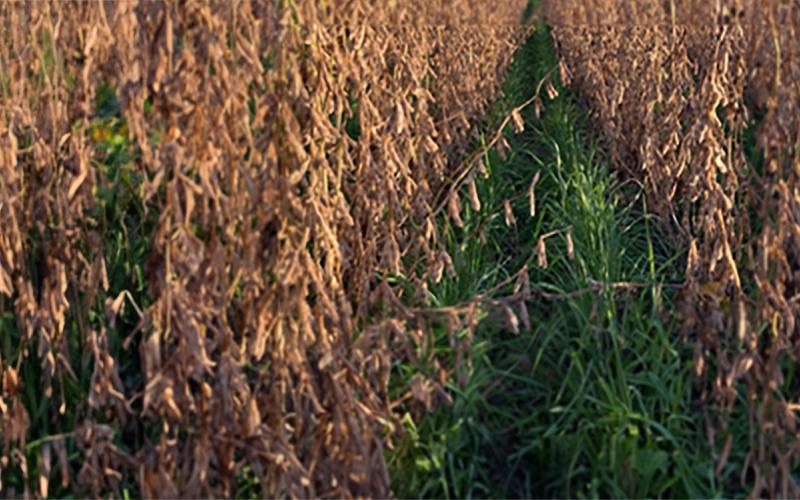
Inter-Seeding Cover Crops into Soybean
Recent studies have investigated the soil health and yield impacts of inter-seeding various cover crops into soybean plantings.

Calving Apps: Beyond the Barn
There are many calving apps available for smart phone users, and finding the right one can be challenging. Learn some expert tips on selecting the right one to accomplish your operation's goals.

Developing Heifers to Fit Your Production Environment
The long-term sustainability and profitability of the cow-calf industry depend on retaining females that fit both the production goals and environmental constraints of an operation.
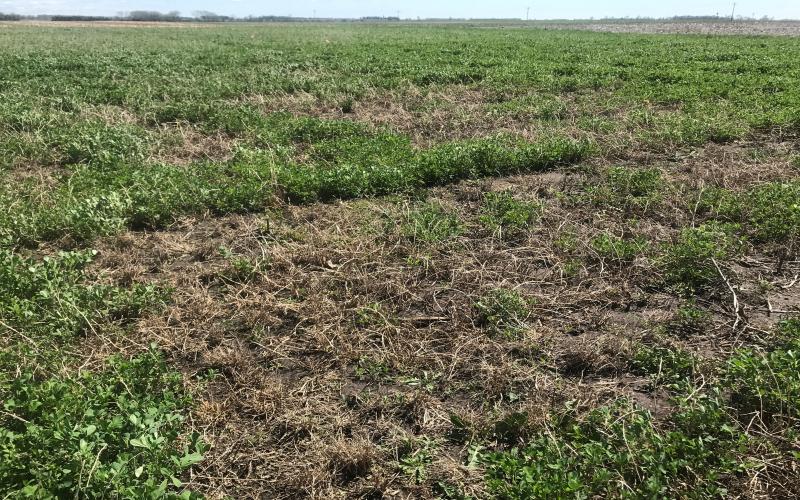
Dealing With Alfalfa Winter Kill
Winter kill and general stand loss of alfalfa has specifically been of concern in many parts of South Dakota the last two years. Most observed alfalfa winter kill is due to low, wet or flooded areas where plants were suffocated and died over the winter.
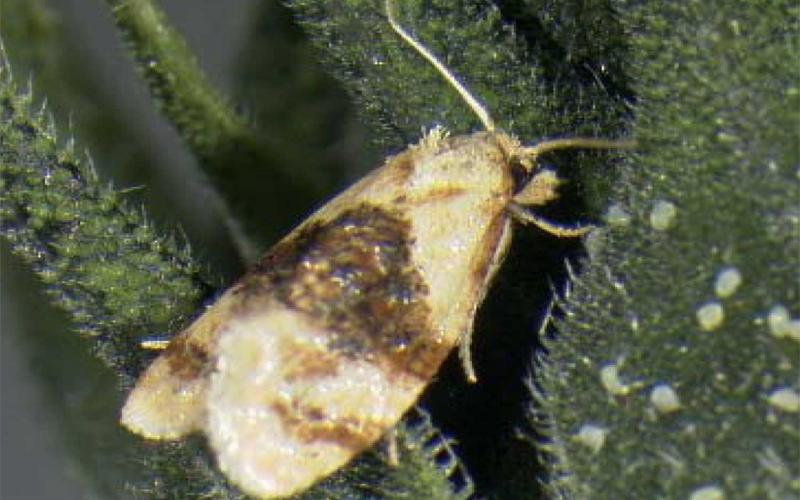
Monitor Sunflower for Banded Sunflower Moth Activity
Banded sunflower moths are active in South Dakota, which means it is time to start scouting sunflowers for their eggs. Banded sunflower moth caterpillars can reduce yields and oil content by feeding on the developing florets and tunneling into developing seeds.
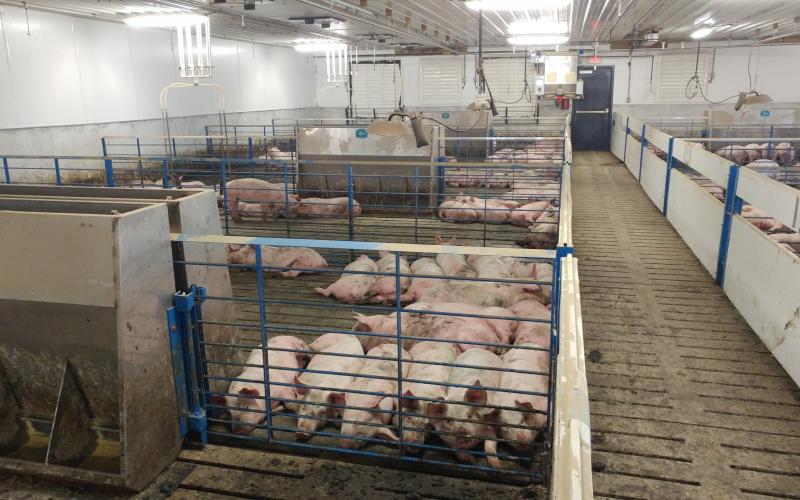
Is it Time to Reconsider Trace Mineral Levels in Pig Diets?
Growing pigs require trace minerals such as copper, iron, manganese and zinc for various biochemical functions, including cellular development and energy metabolism, which lead to optimal health and immunity.
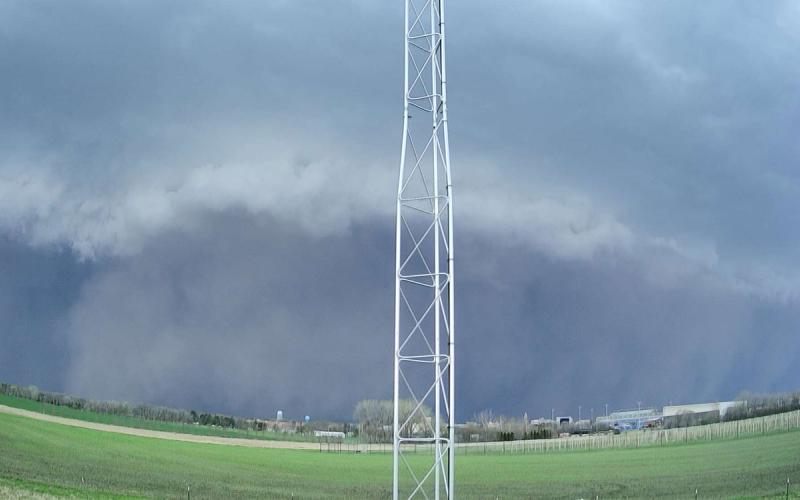
Remembering the May 12, 2022 Derecho
Roughly one year later, the catastrophic damage of the May 2022 derecho will not soon be forgotten. Take a look back at the storm's impact and gain some perspective on the environmental conditions that led up to it.
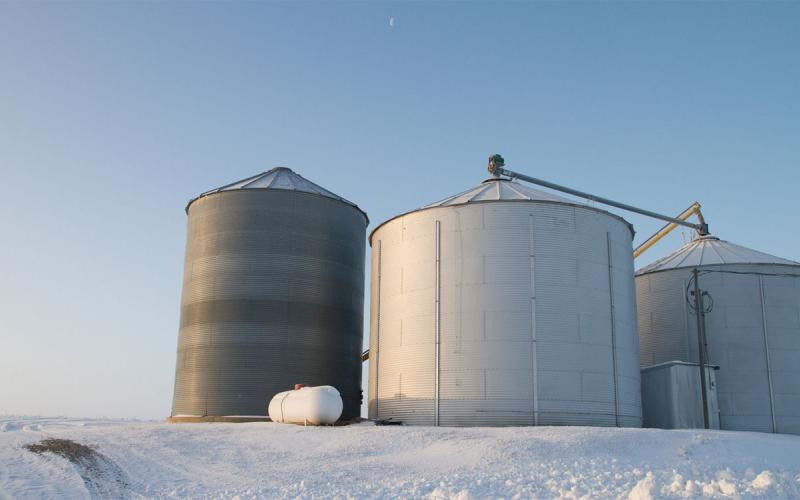
Forecasted Cold Temperatures Can Be Used To Cool Down Stored Grain
If temperatures are forecasted as being well below freezing, it would probably be a good time to start thinking about cooling stored grain. Cooling grain reduces the activity of stored grain insect pests and suppresses any mold growth that may otherwise occur.