September 1 is the automatic renewal date for all oral agricultural land lease agreements in South Dakota.
Per South Dakota codified law, landowners and renters must notify all parties involved in the existing lease in writing by September 1. Failure to do so results in the lease being renewed with the same terms and conditions. According to Heather Gessner, SDSU Extension Interim Agriculture and Natural Resources Program Director and Livestock Business Management Field Specialist, calls to the office from landowners and tenants jump dramatically in July and August as both parties look to make changes to their leases, including oral leases.
Potential changes to the lease, which may include, but are not limited to, moving to a written lease, terminating the lease, or adjusting the rate per acre or animal unit month (AUM), the number of acres, the rental payment due date, or maintenance requirements, should be considered and discussed.
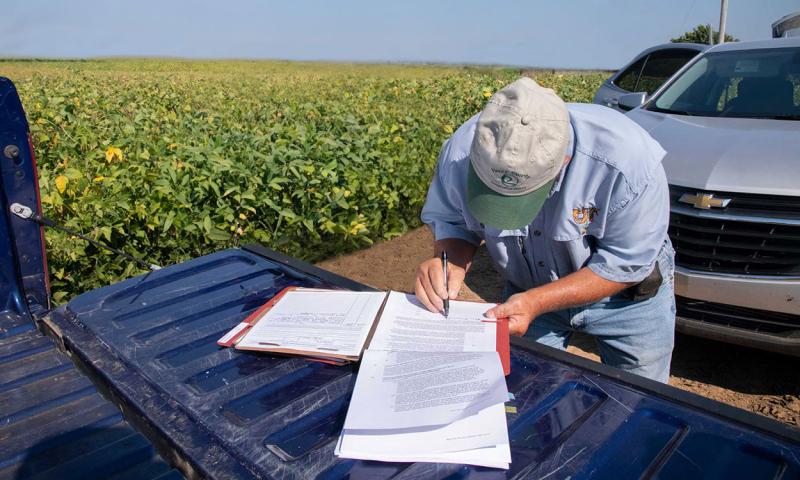
SDSU Extension strongly encourages landowners and renters to transition to written lease agreements. Written agreements reduce miscommunication and misunderstandings, while providing a format that ensures both sides' expectations are understood and met. A written lease also provides a sense of security for both parties in the event of unforeseen circumstances.
A written lease is also required when the lease term is longer than one year, and South Dakota law limits agricultural leases to a maximum of 20 years.
If you would like to learn more about the different agricultural leases, the publications at Ag Lease 101 cover cash leases, share agreements, and flexible leases for cropland and pasture acres. In addition to the publications, the site includes templates that can be used to personalize leases in South Dakota.
For anyone making changes to an oral lease, Gessner recommends sending the other party a certified letter stating that they will not be participating in the 2027 lease under the current terms and conditions. A certified letter serves as a formal notice to the other party that a change in the lease will be made and verifies they received the information.
Depending on the conditions of the lease, involved parties may wish to retain an attorney to create cropland or pastureland leases.
Resource:
South Dakota codified law – Chapter 43-32, Lease of real property, 43-32-2, 43-32-5, 43-32-22.1.