When kids start playing sports, their bodies work harder – moving more, growing more, and repairing more. Getting the right nutrition can support athletic performance and healthy growth and development. As a parent or coach, having a thoughtful plan when it comes to meals and snacks can help young athletes feel their best during competition while also supporting their growing needs.
Why is good nutrition important for young athletes?
Besides the added energy needs from increased physical activity, young bodies are in a period of rapid growth and development. This means their bodies require extra energy, protein, and nutrients to support both their athletic performance and overall development. The benefits of good nutrition include:
- Improved athletic performance
- Faster recovery
- Reduced risk of injury
- Less sore and tired muscles
- Improved energy levels
- Better focus
- Stronger immune systems
Everyday Fuel Matters
Young athletes need good nutrition every day, not just on gamedays. Having consistent and balanced meals creates a strong foundation for life. It doesn’t have to be complicated. Focus on having these components as part of their diet everyday:
- Carbohydrates: fruits, vegetables, and whole grains provide energy and nutrients
- Protein: eggs, nuts, beans, chicken, beef, turkey, fish and other lean meats help to build and repair muscles
- Healthy Fats: nuts, nut butters, seeds, and avocados give long lasting energy and support brain development
Smart Snacks for Young Athletes
Before Practice or Games
Having something to eat before a game or practice can help kids get quick energy to fuel them through their performance. You want to choose something light and easily digestible, so they don’t get an upset stomach. Good options include
- Fresh fruit
- Granola bar
- Cheese stick
- Small yogurt cup or yogurt tube
- Fruit smoothie
- Crackers
- Applesauce pouch
- Trail mix
- Homemade energy bites
After Practice or Games
Nutrition is key to helping a child’s body recover from physical activity. Aim to have a snack shortly after the activity (30-60 minutes). Pairing protein and carbohydrates helps muscles recover while also providing energy. Examples of post-activity snacks include
- Chocolate milk
- Half of a turkey, ham, or peanut butter sandwich
- Cheese and crackers
- Greek yogurt and fruit
- Fruit smoothie made with Greek yogurt
- Hummus with pretzels or pita chips
- Cottage cheese with fruit
- Granola bar and cheese stick
- Apple slices and peanut butter
Hydration
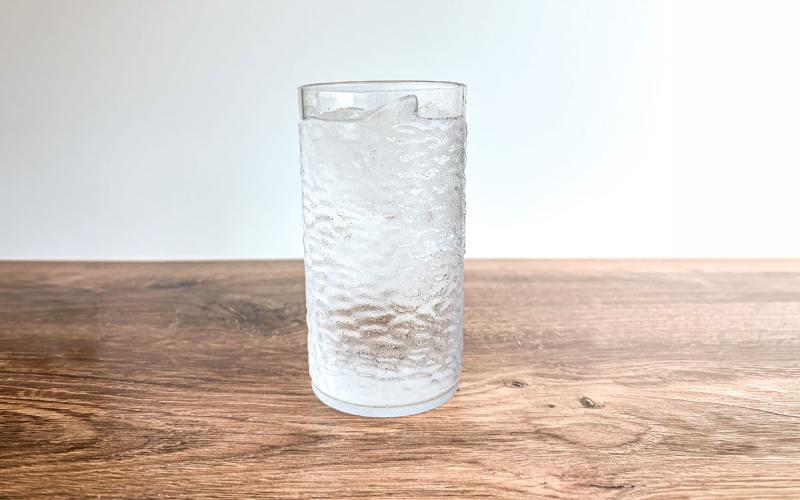
Hydration is just as important as food. Many kids wait until they are thirsty. Encourage water throughout the day to keep them hydrated. Not getting enough to drink can lead to dehydration. This can impact performance, make them feel tired, trigger headaches, and make it difficult for the body to regulate its temperature. For most young athletes, water is all they need.
Sports drinks are usually not needed unless they are participating in intense activities in hot conditions and lasting for over an hour. These drinks will offer carbohydrates for energy and electrolytes (sodium and potassium) which are lost through sweat.
Bottom Line
Nutrition can be a powerful tool as it fuels a young athlete’s growth, development, and athletic performance. Having good nutrition on gamedays and every day is essential to meeting nutrition needs and helping them feel their best. If you are looking for more personalized nutrition information, it would be beneficial to seek the help of a sports dietitian.
Sources
- J Pediatr Soc North Am. 2024 Feb 12;5(1):599. doi: 10.55275/JPOSNA-2023-599
- Eat Right to Play Hard, Academy of Nutrition and Dietetics.
- Pediatric Nutrition Sports: Why Working With Young Athletes is Rewarding, Concordia St. Paul.