Originally written by Rhoda Burrows, former Professor & SDSU Extension Horticulture Specialist. Updated by Nick Volesky and Cody Molnar.
Fall cleanup can contribute to a healthier and more productive garden the following season. Plant debris left in gardens can over winter and harbor fungal spores, bacteria, and overwintering life stages of arthropod pests that may cause problems the following season. Taking time to remove harvested crops, dispose of diseased plants, and improve soil conditions can help prepare the garden for spring planting.
Harvest Remaining Vegetables
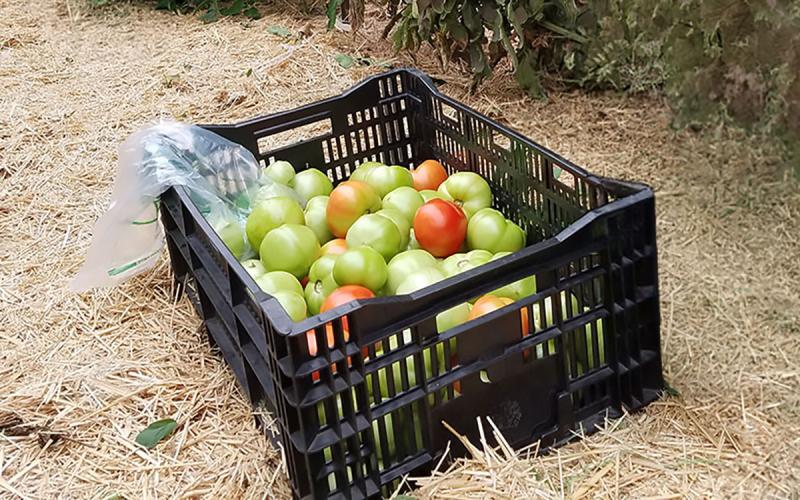
Before removing plants, inspect the garden for any remaining produce. Peppers, tomatoes, and other vegetables are sometimes overlooked beneath foliage and may remain usable after light frost (Figure 1). Root crops such as beets and carrots can be harvested and stored in refrigeration or other suitable cold storage if they are not overwintered in the garden. Cool-season crops, including brassicas and leafy greens, may continue growing into late fall and can sometimes survive the winter when temperatures remain moderate or when plants are protected. Brussels sprouts notably develop improved flavor following light frosts, and can even survive the winter and produce sprouts the following season.
Remove Diseased Plants
Plants affected by disease should be removed from the garden, including the root system whenever possible. While virus- and phytoplasma-infected plants should be removed from the garden promptly to reduce disease spread, these pathogens cannot live outside of a living host and can be safely composted. Many fungal and bacterial pathogens, however, can survive on decaying plant debris and should not be composted. Diseased plant debris should be bagged and disposed of in the trash or burnt. Many plant pathogens can survive winter conditions and serve as an early infection source for the next season’s crops.
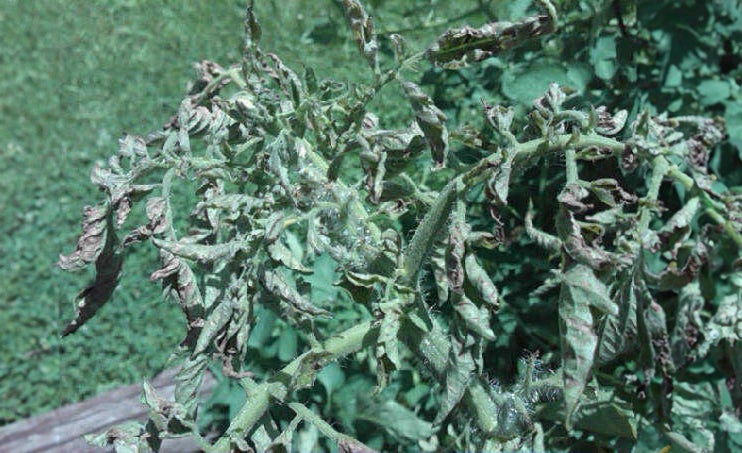
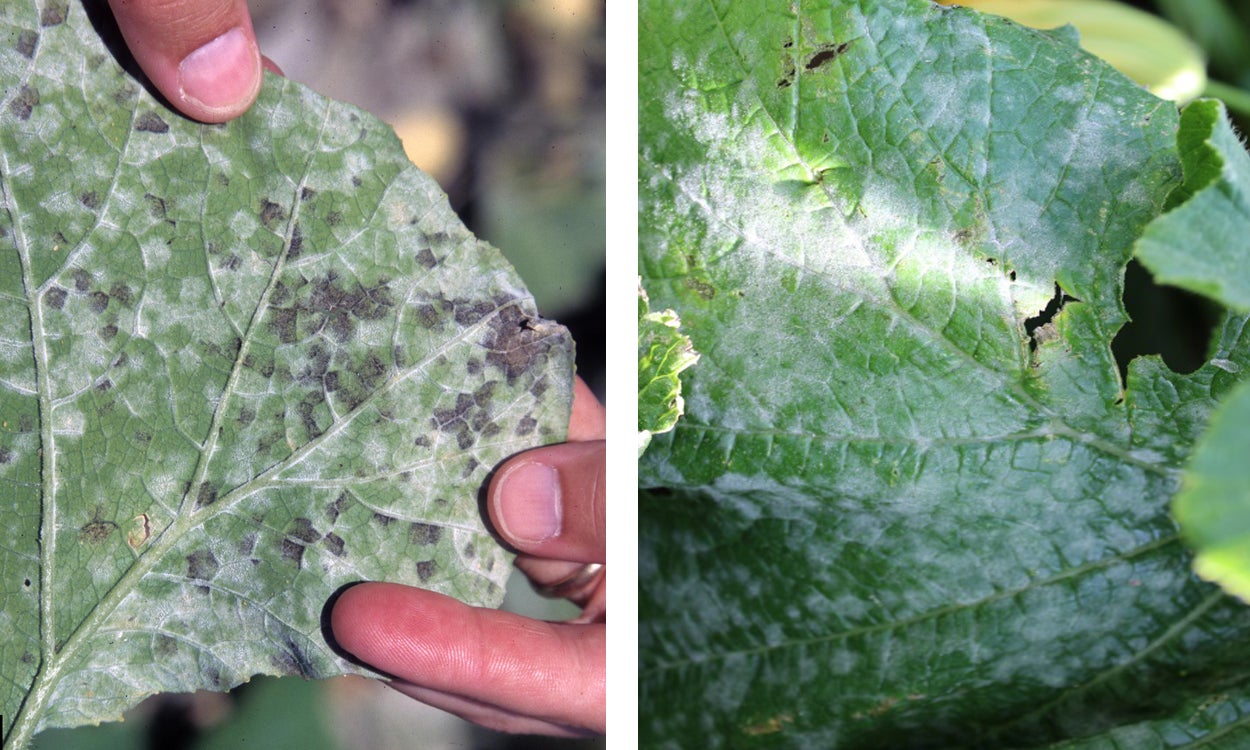
Solanaceous crops like tomato, pepper, and eggplant that show signs of viral disease should be removed promptly (Figure 2). Powdery mildew is an example of a fungal disease that can persist from one season to the next, particularly on infected plant debris left on the soil surface. Squash foliage notably develops powdery mildew that rapidly spreads into the fall and should be discarded at the end of the season (Figure 3). Gardens affected by soilborne diseases, such as Verticillium wilt, may benefit from crop rotation. Planting non-susceptible crops (i.e., sweet corn, onions, garlic, or grasses) in the affected space for multiple years can help reduce disease pressure.
Seeds should not be saved from diseased plants, as some pathogens can be seedborne.
Tomatoes
Squash and Pumpkin
Managing Healthy Plant Residue
Disease-free plant material can provide valuable organic matter for the garden. Residue from brassica crops can also help suppress certain soilborne diseases as it decomposes. Healthy plants can be chopped into smaller pieces and left on the soil surface or incorporated into the garden. Over winter, this plant debris decomposes and returns nutrients and organic matter to the soil. Disease-free plant residue can also be added to a compost pile and used to finish compost in future growing seasons.
Adding Soil Amendments
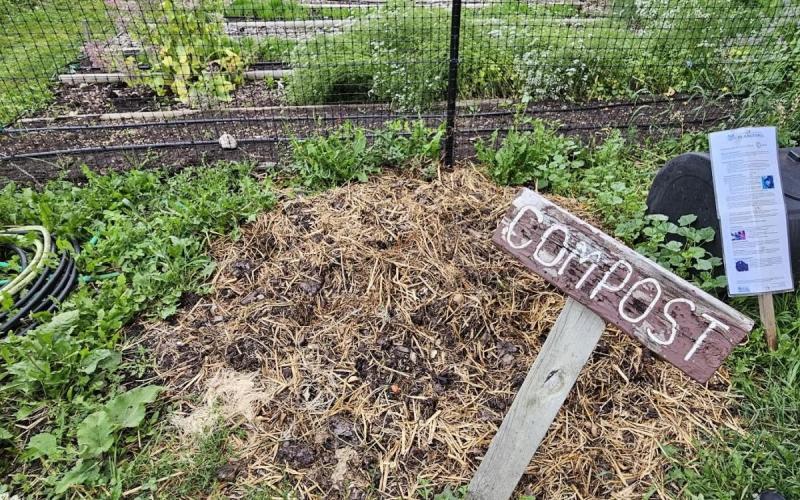
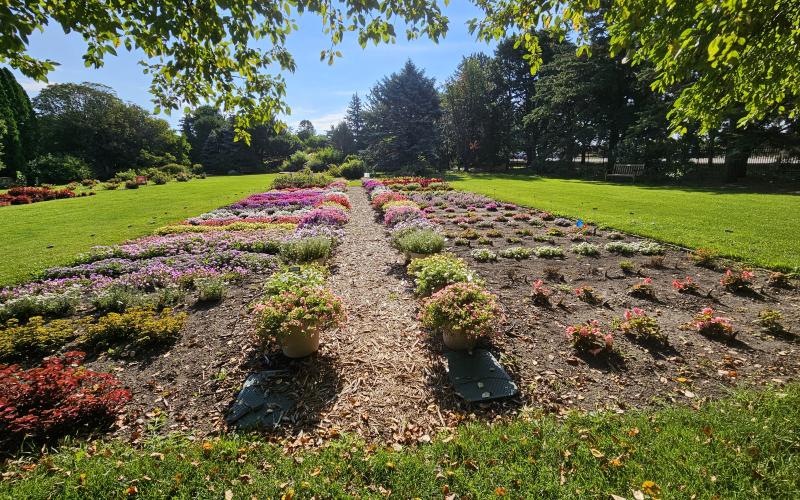
Fall is the best time to add organic amendments, such as well-rotted manure, leaves, compost, and disease-free garden waste (Figure 4). All manure needs to be at least six months old to prevent root burning as well, as possible transfer of human pathogens next spring. The type of manure is not as important as the age. Chicken manure is known for being “hot,” or very strong, so use caution with the amount applied. In an average garden with good soil, about 1 inch per year of cow or horse manure or one-half inch of chicken manure is all that is needed. Too much manure over several years will cause salts to build up in the soil, and plants will not survive.
Leaves are good organic matter. Thicker leaves take longer to break down and help loosen heavy soil. Following a drought, water the garden thoroughly before applying a mulch. Whole leaves can be layered on the soil and pulled back next spring to let the soil warm and dry. These half-decomposed leaves can then be used as mulch when the garden is replanted. Leaves can also be chopped with the mower and spread out. Chopped leaves will decompose faster and may not need to be raked off in the spring.
Compost purchased at local landfills can be applied at this time too, but make sure that it is herbicide-free. Several inches can be spread on the soil and allowed to continue decomposing over the winter.
Tilling Considerations
The decision to till in the fall depends largely on the soil conditions and management goals. In gardens with heavy clay soil, tillage can help incorporate compost, manure, or other amendments more quickly, accelerating improvements in soil structure.
Where soils have already been improved and exhibit good tilth amendments can often be left on the surface or incorporated with hand tools such as a garden fork or hoe.
Excessive tillage can degrade soil structure by breaking soil aggregates into smaller particles, reducing pore space, and increasing the potential for compaction. As a result, many gardeners choose to minimize tillage and rely on regular additions of organic matter to maintain soil health. Long-term use of reduced- or no-till practices can improve soil structure while preserving beneficial soil organisms. Review Weed Control in No-Till Gardens for more information.
References
- Volesky, N. 2019. How to Prepare Your Garden for Winter. Utah State University.
- Gunnell, J., Caron, M., Beddes, T., and Greenhalgh, L. 2018. Putting the Yard and Garden to Bed. Utah State University.
- Shires, M., Hagemann, A., and Molnar, C. 2025. Powdery Mildew Presence in Your Garden: How to identify and prevent it. South Dakota State University.
- Steil, A. 2026. Fall Garden Tasks. Iowa State University.