When selecting genetics, it’s easy to focus on the cow standing in front of us. We evaluate her phenotype, fertility, disposition, and production history. When selecting bulls, we study EPDs, indexes, pedigrees, and phenotypes. All of which are important considerations when choosing genetics to implement in our cow herds, but there is another question that deserves a place in every genetic-selection conversation: Who is going to buy the calf?
Profitable genetic programs start with a good cow herd, but they should not end there. Calves produced by the cow herd have a buyer down the production chain. That customer could be auction buyers, a backgrounder, the feedlot, another producer looking for replacement females, or a combination of a few of these, each of which has a different definition of value and production goal in mind.
Therefore, the goal is not simply to produce more—more pounds or more milk, for instance—but to produce cattle with a combination of traits that perform well within the cow-calf production system while creating value for the next person in the supply chain.
Start With the End in Mind
Different buyers place various levels of value on different characteristics. Understanding these differences can help you create a product more desirable to your specific customer. For instance, a feedlot buy may prioritize growth, feed efficiency, and carcass value whereas a local auction buyer may place more emphasis on weight, uniformity, health, type, and current market demand. One of the simplest things a producer can do is talk to the person buying your calves. Ask them questions like:
- What kind of calves perform best for you?
- What traits earn premiums and what causes discounts?
- What weight range works best for your system?
- Are there genetics or management practices that can enhance the value of your calves?
Having these conversations allows the producer to better understand the customer and be more equipped to balance customer demand with the needs of the cow herd.
Don’t Sacrifice the Cow to Build the Calf
At the end of the day, bigger and more isn’t always better. Customer-focused genetics do not mean chasing terminal traits at the expense of cow efficiency. A profitable calf starts with a profitable cow. Genetics that emphasize more growth, milk production, and mature size can increase production, but also increase nutritional requirements, in turn increasing input costs and resources needed to successfully maintain the cow herd. A cow that cannot maintain body condition with available resources and limited inputs or breed back under the operation’s system is not profitable, no matter how impressive her calf looks. Emphasizing the importance of cow longevity, mature size, and ability to survive and, ideally, thrive in the production environment when choosing genetics and replacements for the cow herd is extremely important for its sustainability. Fertility, structure, and phenotype are also important considerations to make when thinking about the genetic structure of the cow herd. Ultimately, the ideal genetic package for the cow herd must pass two tests:
- Does it work in my environment?
- Does it produce a calf my customer wants?
The Right Combination of Maternal and Terminal Traits
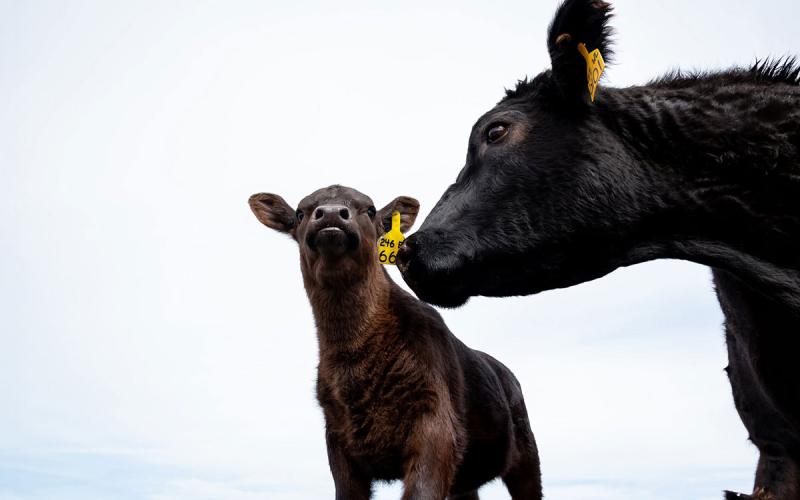
To put it simply, maternal traits encompass those that affect a cow’s ability to successfully reproduce, raise a calf, and remain productive in the herd. Terminal traits, on the other hand, affect the value and performance of calves after they leave the ranch. Most producers want some level of both in the same cow herd. However, there is no single “best” genetic package or breeding strategy for every operation, or even for every production year. A producer focused on retaining or developing replacement females may place greater emphasis on maternal traits, while a producer marketing calves through a sale barn or retaining ownership through finishing may benefit from greater emphasis on terminal traits.
The balance between maternal and terminal traits may change from year to year. For example, when cow inventory is low, it may make sense to place greater emphasis on maternal genetics to create replacements from that year’s calf crop. Advanced reproductive technologies can also help create a more balanced calf crop. For example, using sexed female semen through artificial insemination (AI) on the most fertile and desirable cows can accelerate genetic progress while producing replacement females with the maternal traits needed for the operation. Cows that do not conceive to AI or have less maternal merit can then be bred to a terminally focused sire, producing calves that may better meet customer needs and market demands.
This strategy allows producers to develop replacement females that fit the needs of the cow herd while still producing terminal calves designed to perform throughout the beef supply chain. It can also improve herd reproductive performance by increasing the likelihood that replacement females were born early in the calving season, giving them a better opportunity to conceive earlier in their first breeding season as a replacement heifer and potentially remain productive in the herd longer than their later-born counterparts. Ultimately, don’t ask one bull—or one cow—to do everything. Instead, build a breeding system that matches your genetic objectives, management capabilities, and overall business plan.
Conclusion
Ultimately, genetic decisions should be measured by outcomes, and genetic progress should improve the economics of the entire system, not just one single measurement. Keeping data on pregnancy rates, pounds of calf weaned per cow exposed, cow longevity, calf uniformity, feedlot and carcass performance, sale prices, and premiums and discounts when available can help make better informed genetic selection decisions to meet the needs of the ranch and the customer. Put yourself in the buyer’s position. The ultimate goal is to efficiently produce the right calf, from the right cow, for the right customer.