South Dakota Rangeland Days began in the mid 1980s as a way to increase knowledge and awareness of rangelands for South Dakota youth. Youth from ages 8 to 18 could come and learn about rangeland plants and the ecosystem they are part of. Youth were split into four different age categories: “New Rangers”, “Wranglers”, “Scouts”, and “Go-getters” based on their age and experience level. Wranglers, the group this guide was developed for, are youth ages 11 to 13 (middle school aged students). While this event was first developed for 4-H and similar youth groups to attend – 4-H membership is not required for this event.
Wrangler Guide to South Dakota Rangelands
Related Content

Does Water in Grass Change How Much Cattle Drink?
Ranchers know that cattle need clean drinking water every day. But the water already inside grass is easy to overlook. As grass grows older and dries out during summer, cattle may need more water from tanks or other sources.
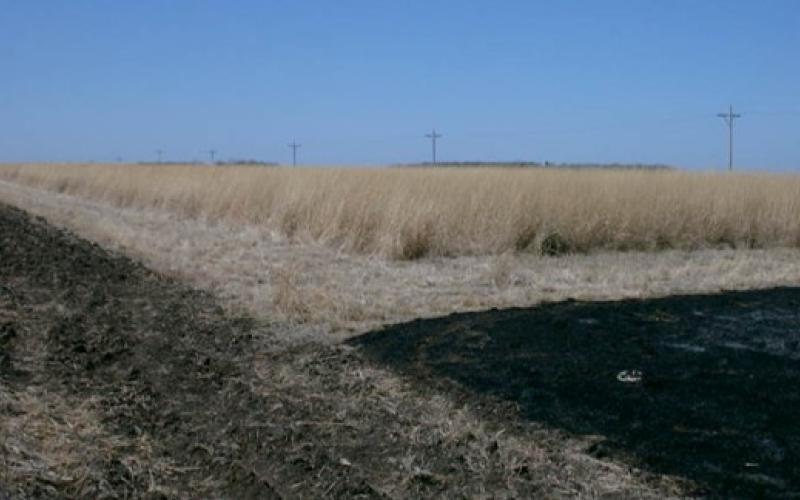
Prescribed Fire Timing for South Dakota USDA Conservation Programs, Native Grass Plantings, and Native Pastures
Use this publication to determine suitable times for prescribed fire burns in South Dakota.

Effectiveness of Saflufenacil (Sharpen) Mixed with Imazapic (Plateau) to Manage Leafy Spurge
Leafy spurge is a noxious weed of many pastures and rangelands in South Dakota. This research study looks at the effectiveness of Saflufenacil mixed with imazapic to manage leafy spurge.