Content by Amanda Bachmann
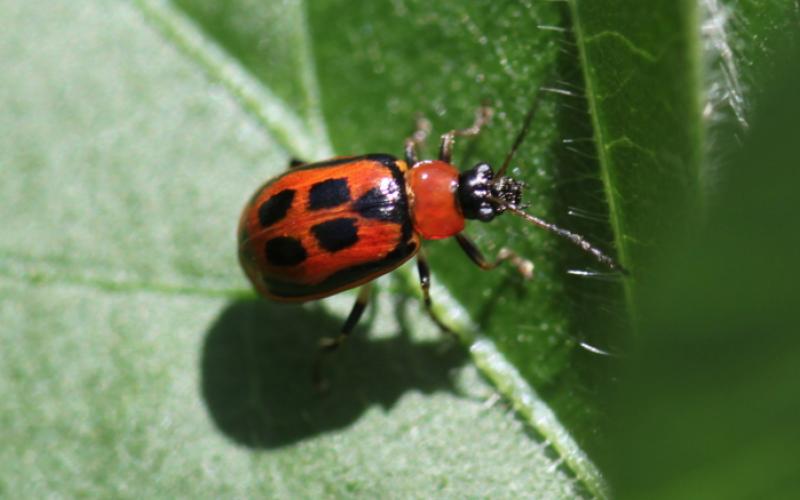
Overwintering S.D. Bean Leaf Beetles: 2017 predicted mortality
The overwintering generation of bean leaf beetle adults emerge in the spring and can cause serious defoliation injury to seedling soybean plants. However, the abundance of overwintering bean leaf beetles is negatively affected when the air temperatures get too cold. Therefore, an estimate of the emerging populations can be made based on how cold the winter was.
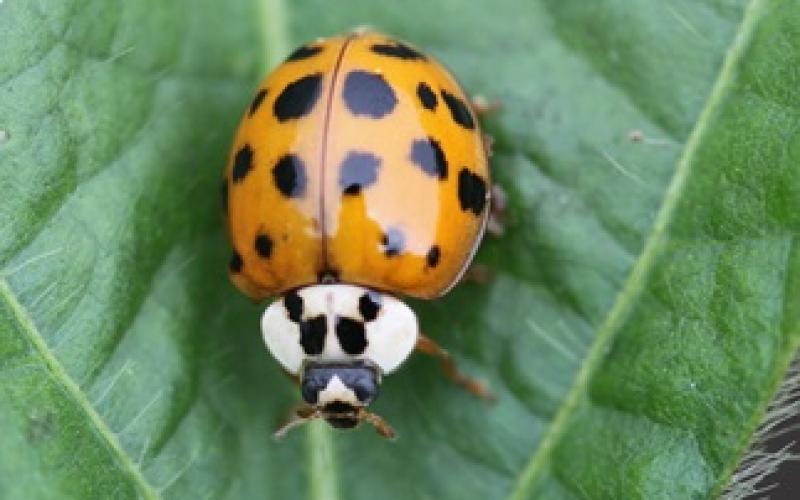
Fall Household Pests
Fall is here, but many insects are still active – especially on unseasonably warm days. Southern exposures of buildings are a common gathering spot for insects.
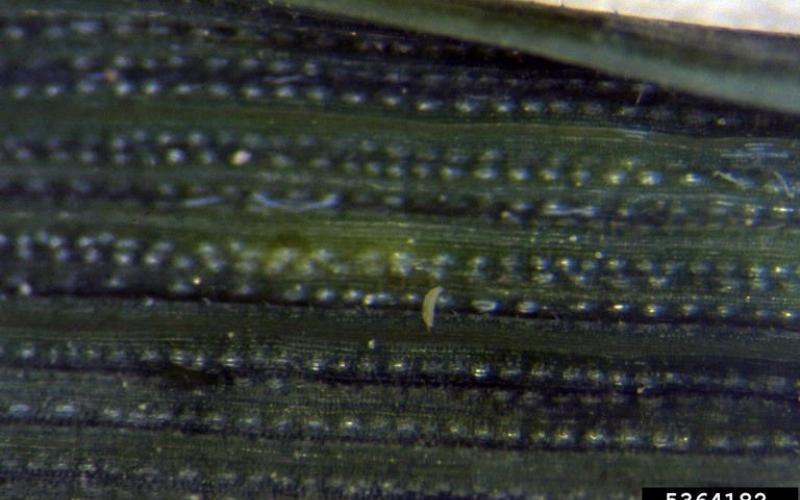
Managing Wheat Curl Mite
Wheat curl mite is one of the more difficult pests to manage in wheat. This is in part due to the limited options available for preventing populations from infesting a field and rapidly reproducing.
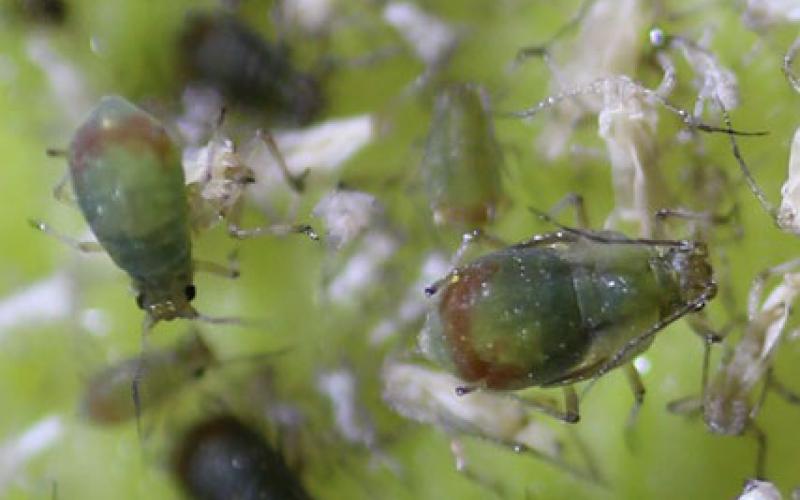
Scouting Winter Wheat for Aphid Pests
Although we cannot predict aphid pressure in winter wheat, there are measures that may be taken to reduce the risk associated with these insects.
Sod Webworm in South Dakota
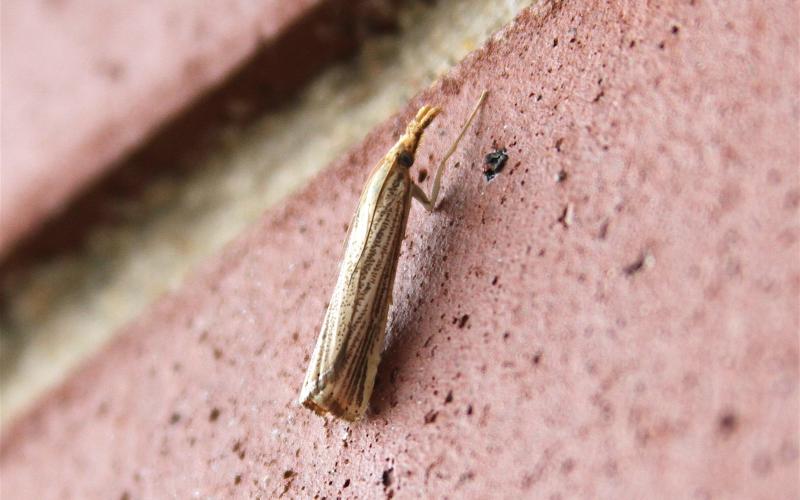
Sod webworm moths are emerging throughout South Dakota. Although these pests are common during the fall, the number of moth sightings and population densities in the Western half of the state are higher than normal. The particular species being found is the vagabond sod webworm. Unlike several other webworm species found in the United States, vagabond sod webworms rarely cause much damage and the adult moths are no more than just a short-term nuisance.
Root Weevils: Accidental Invaders
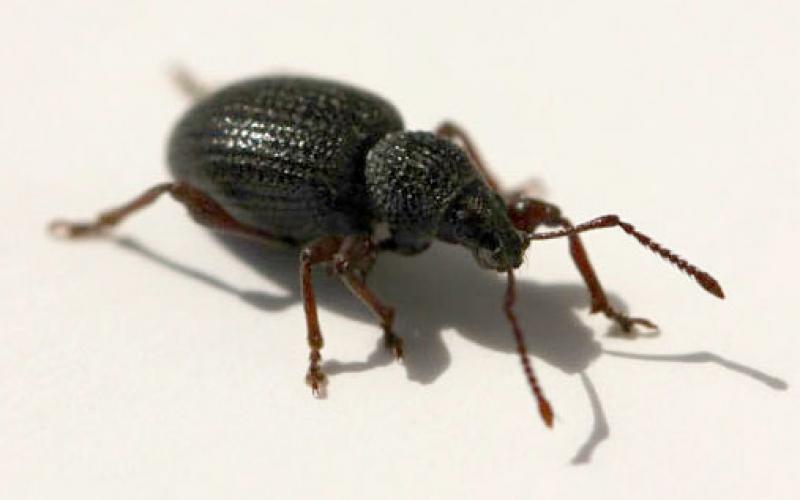
The latest insects to find their way inside South Dakota homes are the root weevils, a kind of beetle characterized by a distinct snout on the front of its head.
Why the 250 Threshold is Still Appropriate for Soybean Aphids
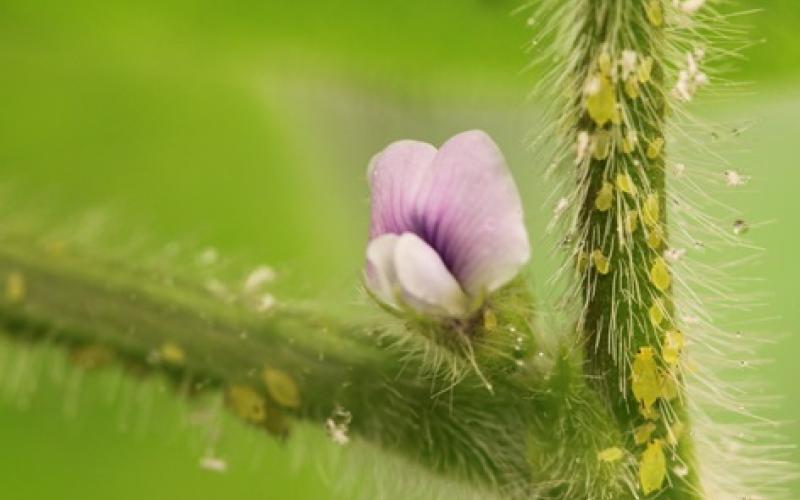
When gearing up for soybean aphid scouting, it is important to think about the population densities that warrant insecticide management.
Soybean Pests: Bean Leaf Beetles and Bean Pod Mottle Virus
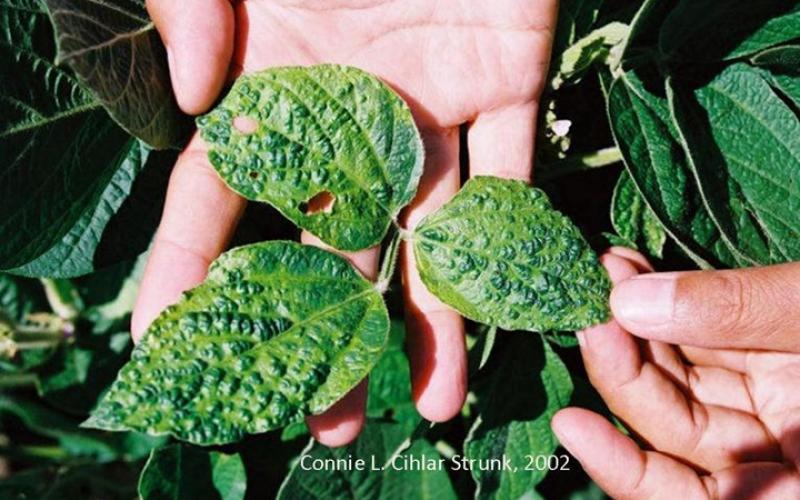
With the number of bean leaf beetle observations in soybean fields during 2016, the need for monitoring soybean for Bean pod mottle virus (BPMV) development increases. Bean pod mottle virus was first identified in South Dakota in 1998, and is recognized as a very economically important disease in soybean due to the potential for it to cause devastating losses to soybean yields.
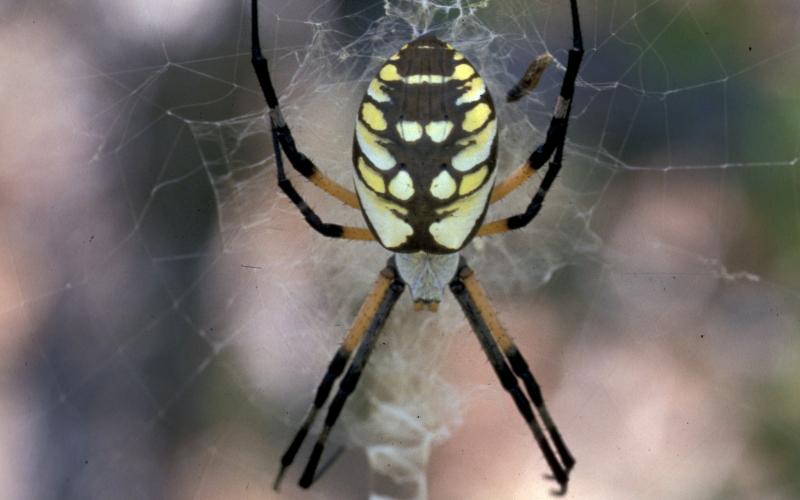
Black and Yellow Garden Spiders
As gardeners harvest the last of their produce, many are noticing the black and yellow garden spider (Argiope aurantia) living among the vegetation. This spider may also be observed in crops, or tall grass or weeds that provide protection for their webs. These spiders (at least the females) stand out because of their bright colors, large size, and distinctive large web. While they are often overlooked, the garden spider is common throughout the United States.
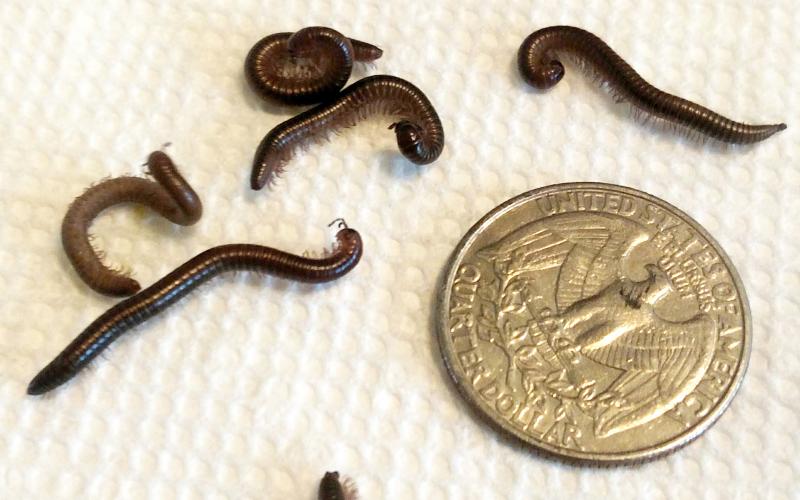
Millipedes Moving In?
Recent rain events coupled with decreasing temperatures are shaking things up outside. This is the time of year when insects and other arthropods that normally make their homes outside, start to move around and look for shelter. The critter that is causing the most calls so far is the millipede; which is an arthropod, but not an insect. Millipedes are helpful decomposers when outside and feed on decaying organic matter. They are commonly confused with centipedes, which are predaceous.