Content by Amanda Bachmann
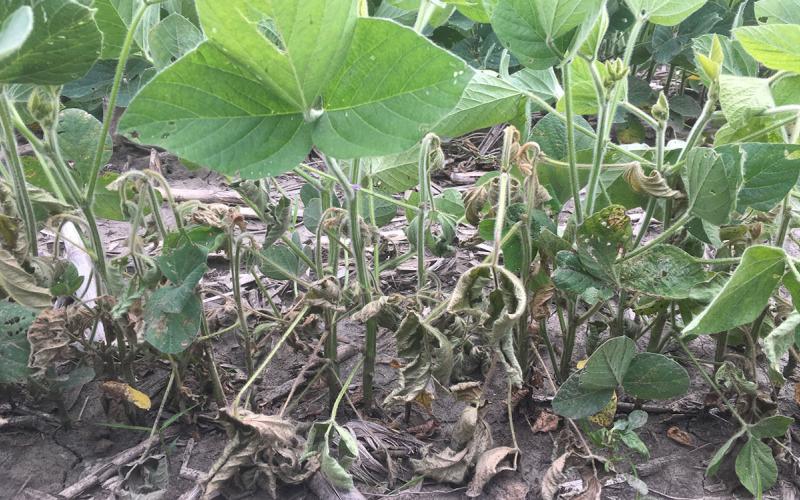
Soybean Gall Midge Larvae in South Dakota Soybean
Soybean gall midge larvae were observed in South Dakota soybean this week. Although insecticide applications haven’t been very effective at this stage, it is still important to scout fields and determine the location and extent of soybean gall midge infestations.
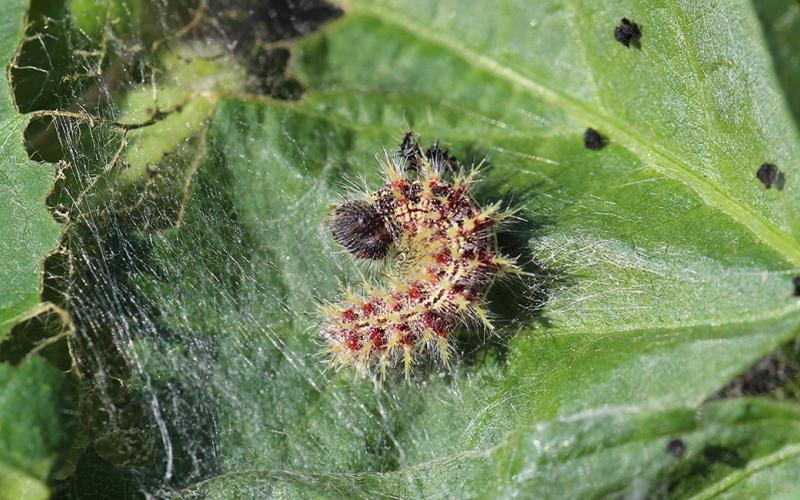
Thistle Caterpillars Observed on Canada Thistle
Although thistle caterpillars are normally first observed in July or August, it is possible for them to appear earlier if weather conditions are favorable. While these caterpillars are generally not present in high numbers, they can cause severe defoliation.
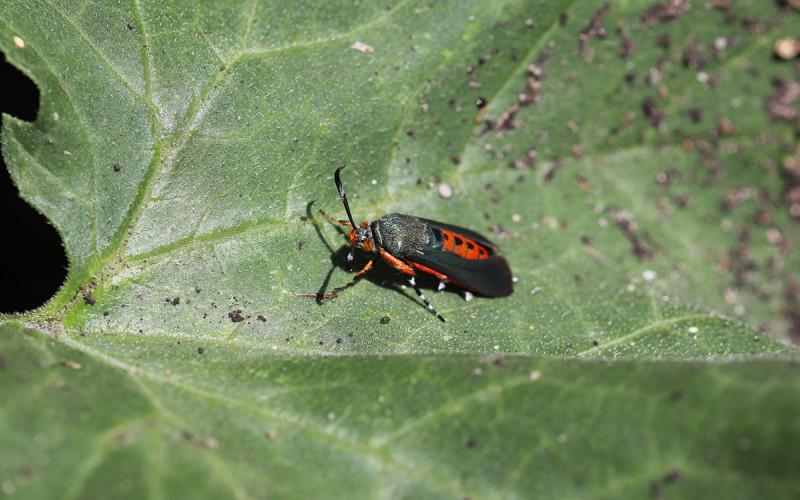
Squash Vine Borer Moths Are Active
Squash vine borer moths have been observed in South Dakota gardens. Now that we know they are active, it is important to take steps to ensure that they don’t have a negative impact on our squash plants.
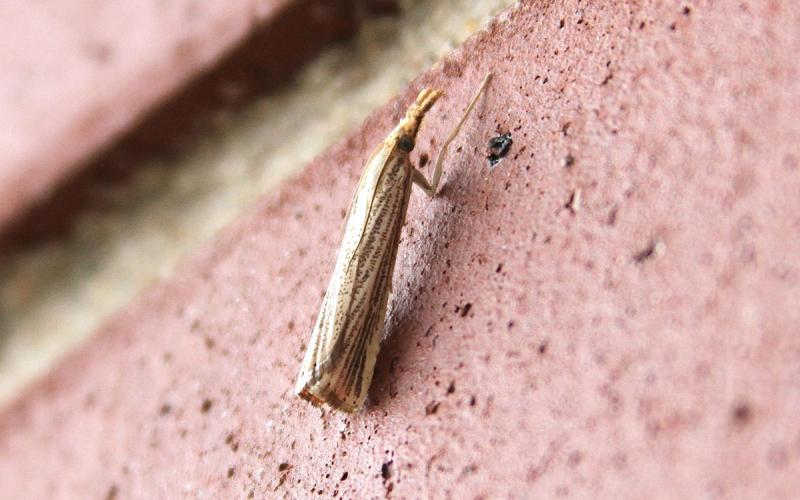
What Are the Little Moths All Over My Lawn?
There have been reports of small, light-colored moths showing up by the thousands in people’s lawns. These moths have been identified as sod webworms, which are now emerging throughout South Dakota.
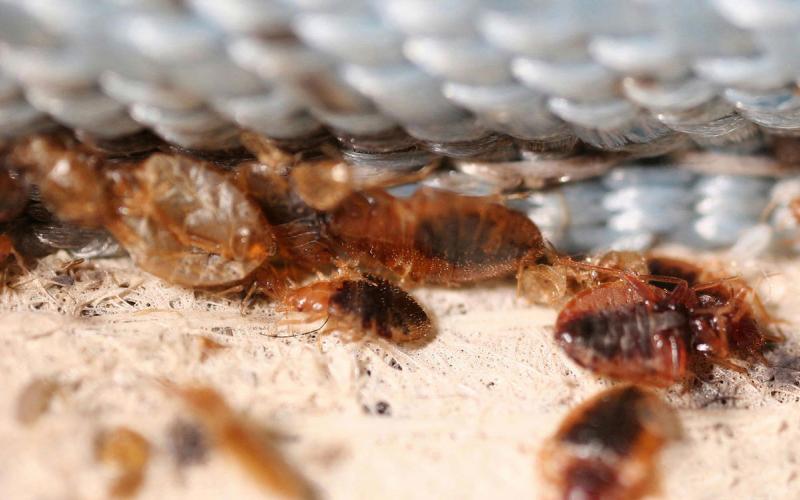
Bed Bugs: What You Need To Know
When it comes to household pests, bed bugs can make almost anyone cringe. These tiny, vampire-like critters are pests of humans and can become a persistent problem when they infest homes.
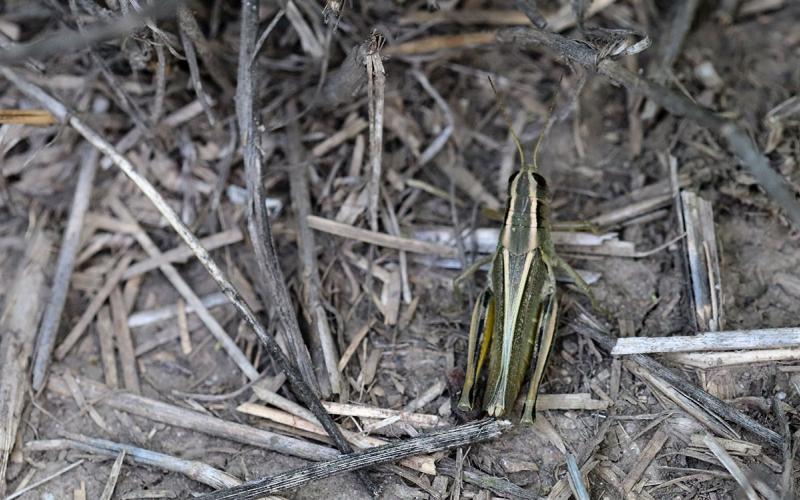
Will Grasshoppers Be an Issue in 2021?
With much of South Dakota experiencing dry conditions this year, grasshoppers are one of the insect pests that will need to be monitored. Large grasshopper populations may cause economic loss in cash crops and reduce forage in range and pasture lands.
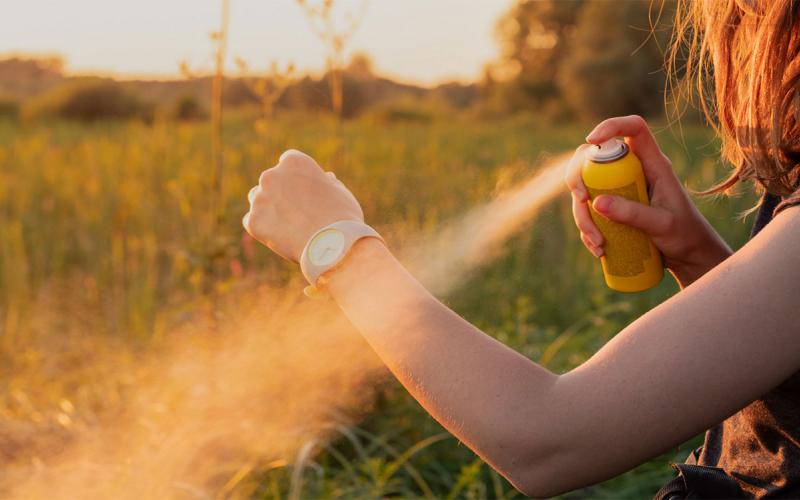
Enjoying the Outdoors Without Tick and Mosquito Bites
Outdoor activities seem extra inviting this time of year, and many people are already enjoying the long days and warmer temperatures. Ticks and mosquitoes share the outdoors with us, but there are things you can do to prevent bites from both.
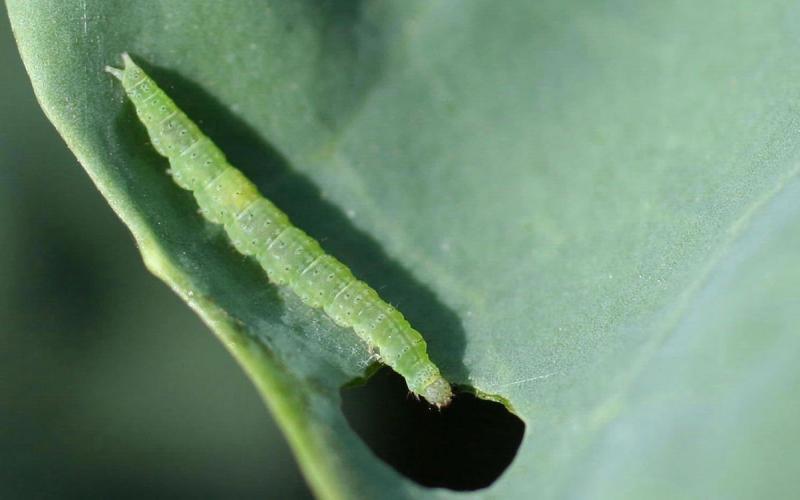
Diamondback Moth Caterpillars Active In South Dakota
Diamondback moth caterpillars have been observed in South Dakota gardens. These pests feed primarily on cole crops, such as broccoli, Brussel sprouts, cabbage, cauliflower and kale, leaving behind irregular-shaped holes.
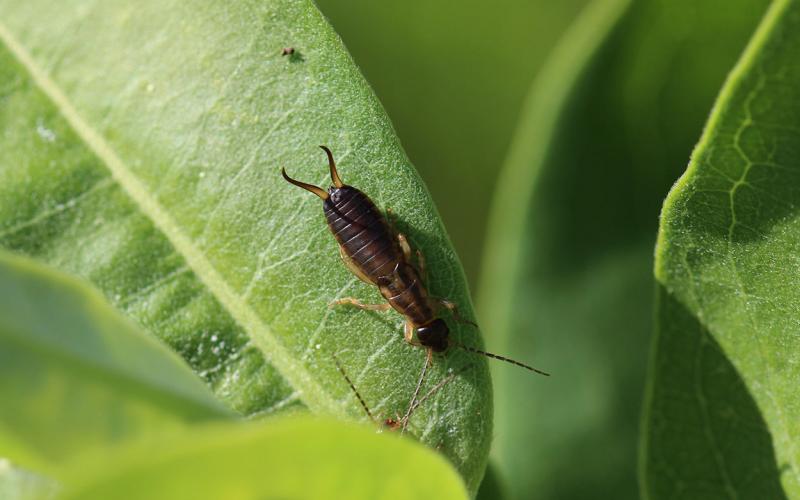
Earwigs Are Active
Although earwigs typically prefer wet conditions, quite a few have been observed so far this year. It’s important to remember that watering lawns or potted plants around the house provides ideal earwig habitat.
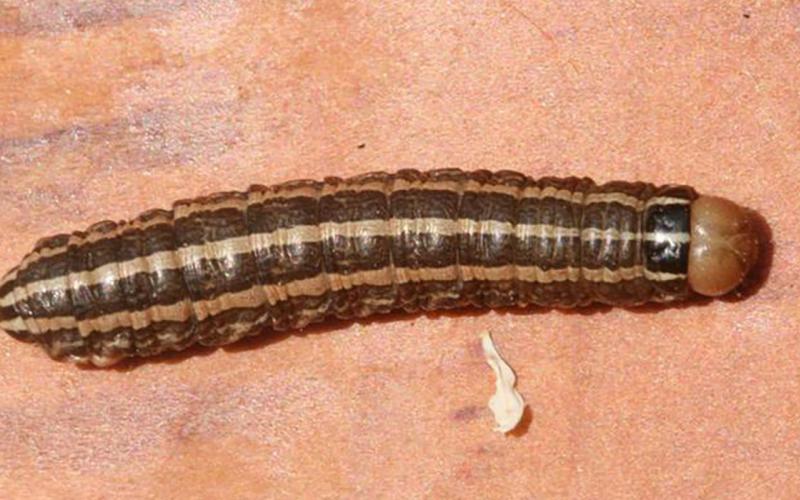
Bronzed Cutworms Are Active
Bronzed cutworms can damage turf by clipping blades of grass close to the soil surface. Feeding by bronzed cutworms in lawns will result in small, brown circular patches, and large populations can result in extensive lawn injury.