Content by Lora Perkins
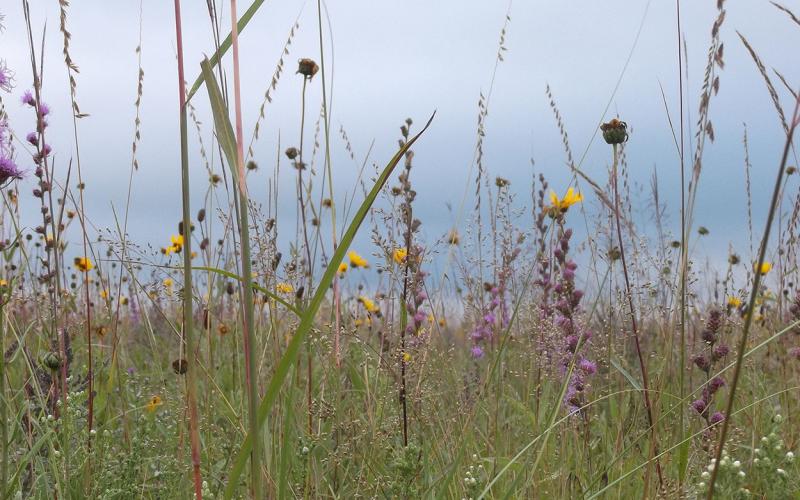
A Quick Start Guide to Selling Native Seeds
Guide that details what you need to know to sell seeds of native flowering plants (forbs) in South Dakota.

Planting for Specialist Butterflies
Monarchs are not the only specialist pollinators in South Dakota. Many other butterflies also require a specific plant or family of plants to lay eggs on. Learn about some important host plants to help specialist butterflies in your yard!
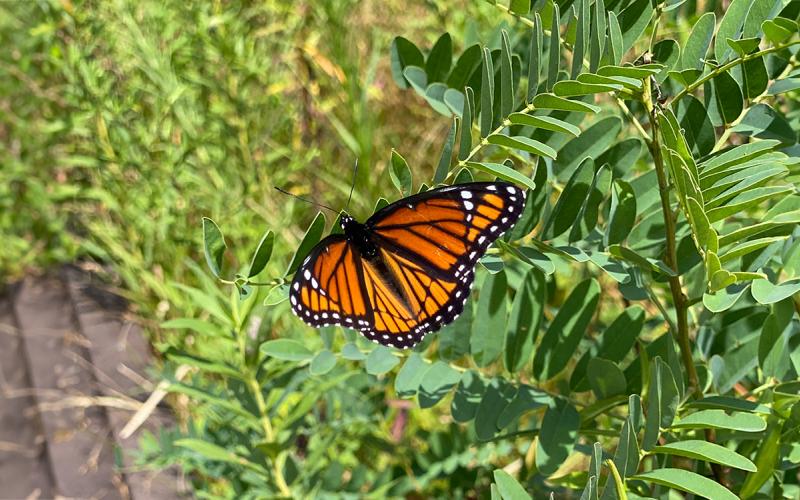
Generalist Host Plants in South Dakota
Many butterflies and moths are generalists, meaning that their larva can use a variety of host plants as food. Learn about some of the best host plants you can grow in your yard to support butterflies, moths, and everything that relies on them!
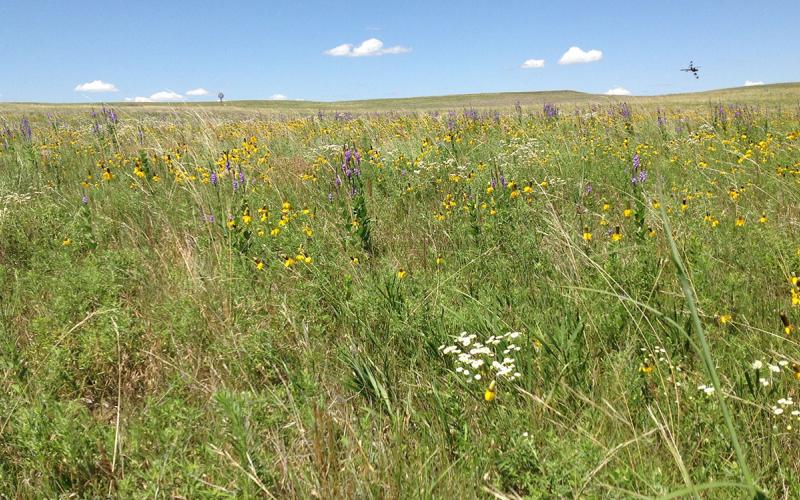
How do we describe biodiversity? It's multidimensional!
Fact sheet on the importance of biodiversity
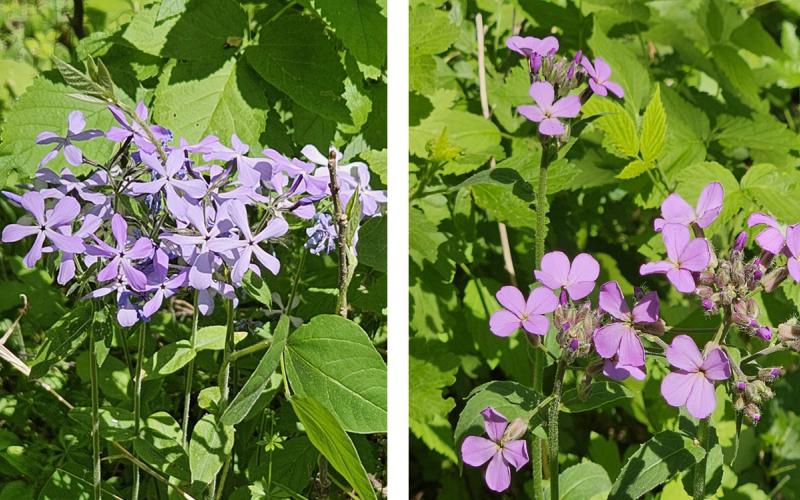
Plant Look-Alikes: What’s the Difference Between Phlox and Dame’s Rocket?
Distinguishing between native phlox flowers and the invasive dame's rocket can be challenging due to their similar appearances. Learn some key characteristics that can help you tell dame's rocket apart before it invades your property.
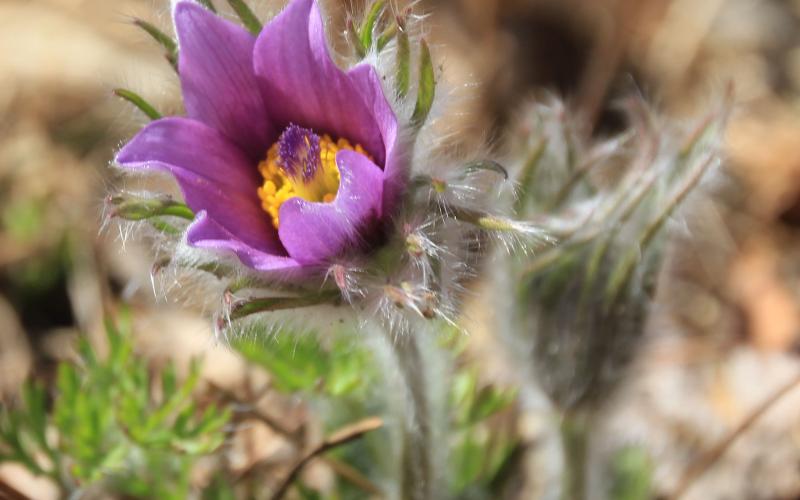
Common Flowering Plants (Forbs) of South Dakota
This guide focuses on forbs, or flowering “broad-leaved” herbaceous plants, but forbs can be narrow-leaved as well.

Five Range Management Principles: #3 Ecosystem Biodiversity
Milkweed can help make rangelands a better environment for both cattle and neighboring plants and animals by having a shielding effect on companion plants, preventing erosion and accelerating the decomposition process, whole also providing nectar, habitat and organic material for ecosystem services.
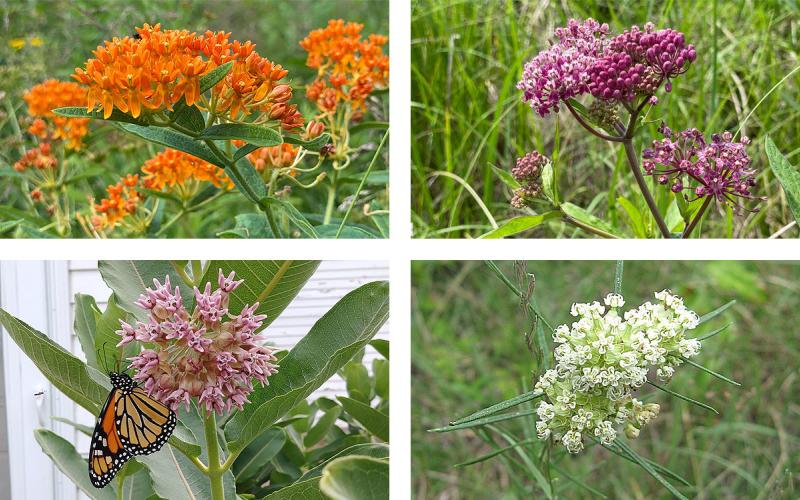
Garden-friendly Milkweeds to Plant in South Dakota
Are you looking to add native plants to your home garden this season? Consider expanding your garden palette with milkweed species that are native to South Dakota.
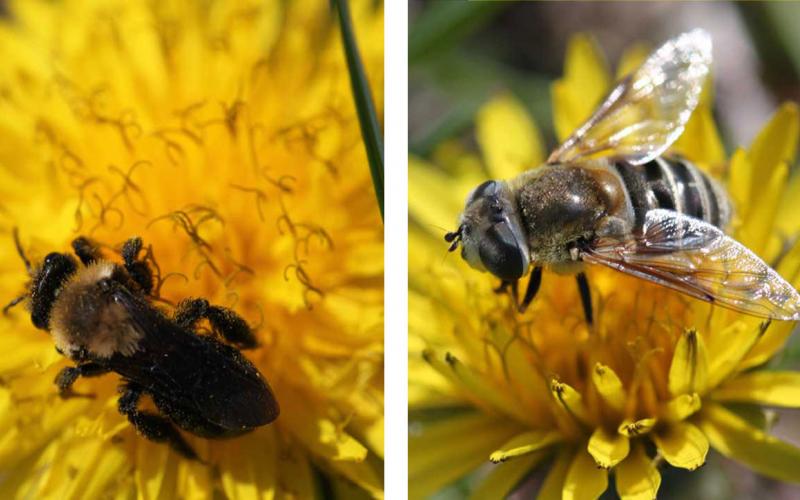
Should I Get Rid Of My Dandelions?
While there is much appeal to having a lawn that is free of other plants, there can be benefits. Some weeds that are sprayed out of lawns, including dandelions, can serve as early-season food sources for pollinators.
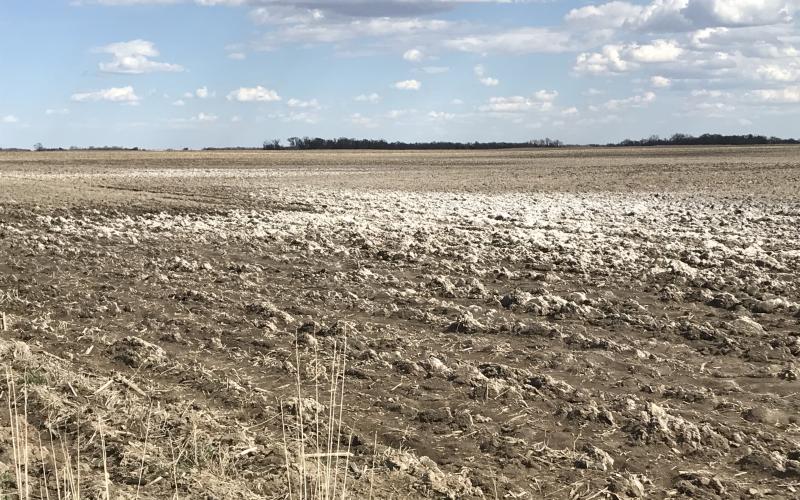
Revegetation of Salt-Impacted Soils in South Dakota
This publication provides suggested native species suitable for the revegetation of salt-impacted soils. The suggested species are listed as native to South Dakota according to the USDA NRCS Plants Database.