Content by Sara Bauder
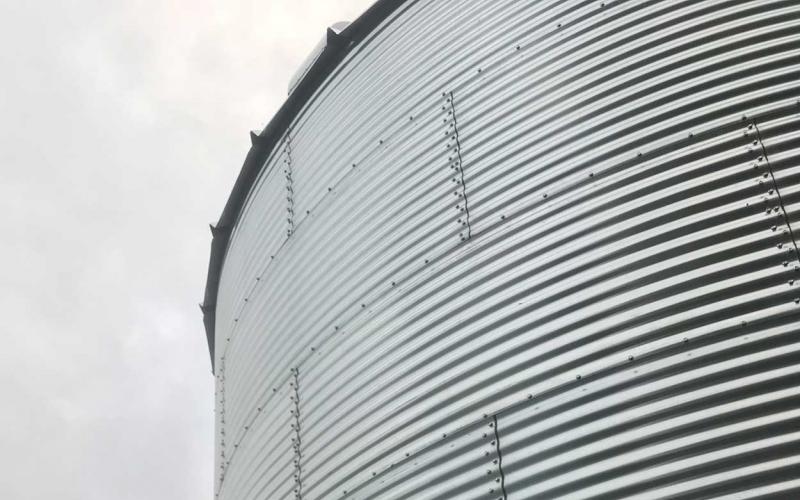
Steps to Prevent Stored Grain Infestations
As fall harvest is approaching it is important to ensure that grain bins are prepared in the best possible manner to prevent insect infestations.
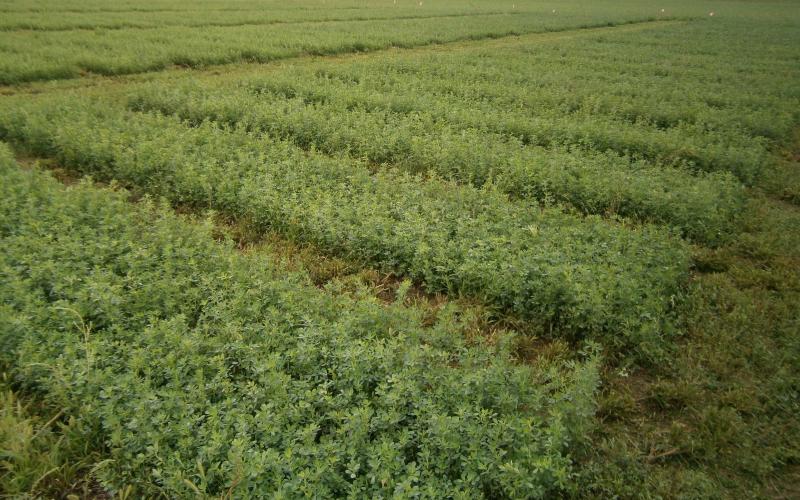
Effects of Late Spring Frost on Alfalfa
Forage research indicates that, although alfalfa is considered to have good cold temperature tolerance, minor frost damage may occur when plants are exposed to air temperatures slightly below freezing for several hours, and more severe damage will be seen when temperatures drop below 25°F for four or more hours.

Managing Alfalfa Under Drought Stress
No one hopes for drought, but if the season should progress into a dry one, these are some considerations to make to ensure the best possible outcome for alfalfa crops.
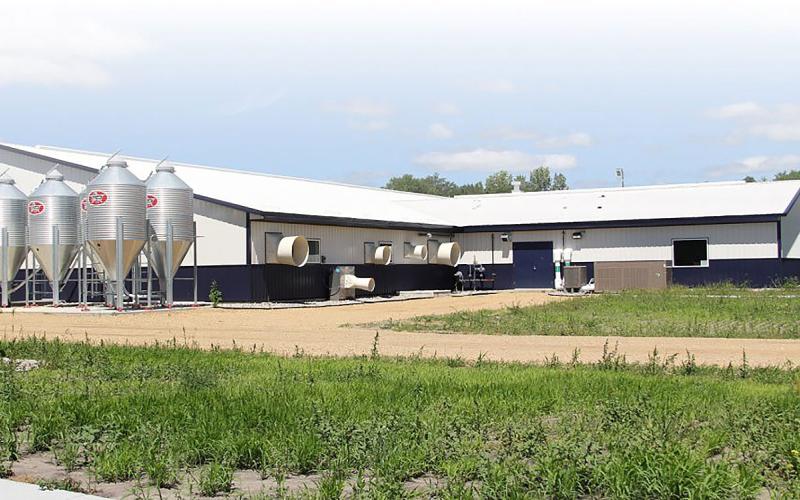
Heavy Metals in Swine Manure
This fact sheet explains what heavy metals are, how they enter swine manure, how they behave in soil, and what practical steps producers can take to reduce long-term risks.
Using Swine Manure Phosphorus More Efficienlty in South Dakota Cropping Systems
This fact sheet explains how feeding strategies, especially the use of low-phytate corn and related diet adjustments, can reduce phosphorus excretion in swine manure.
Swine Manure and Nitrate Leaching
This fact sheet explains how nitrate leaching occurs, why swine manure increases risk under certain conditions, and what producers can do to keep nitrogen where crops can use it.
Best Practices for Swine Manure Application
This fact sheet summarizes research-based practices to help producers, consultants, and conservation professionals make practical decisions that protect both productivity and stewardship.
Impact of Swine Manure on Soil Organic Carbon
This fact sheet summarizes what research shows about how swine manure affects SOC and what that means for field-level decisions.
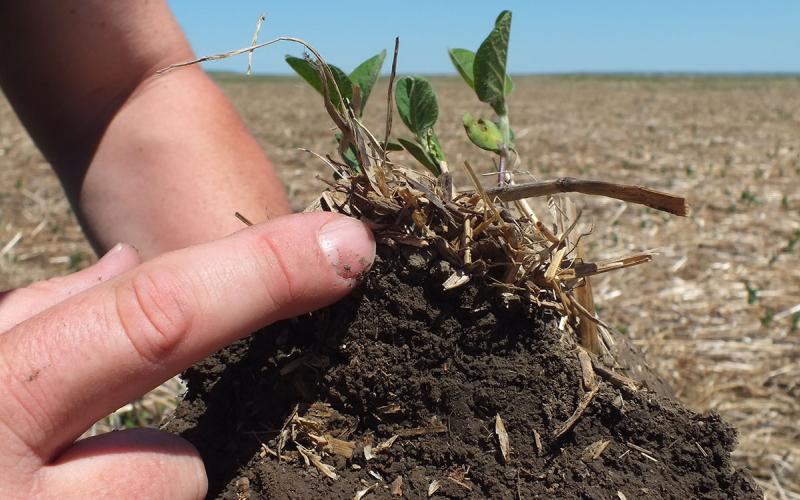
SDSU Extension Crop Hour 2026 webinars start in January
November 24, 2025
South Dakota State University Extension’s Crop Hour webinar series for 2026 will return in January.
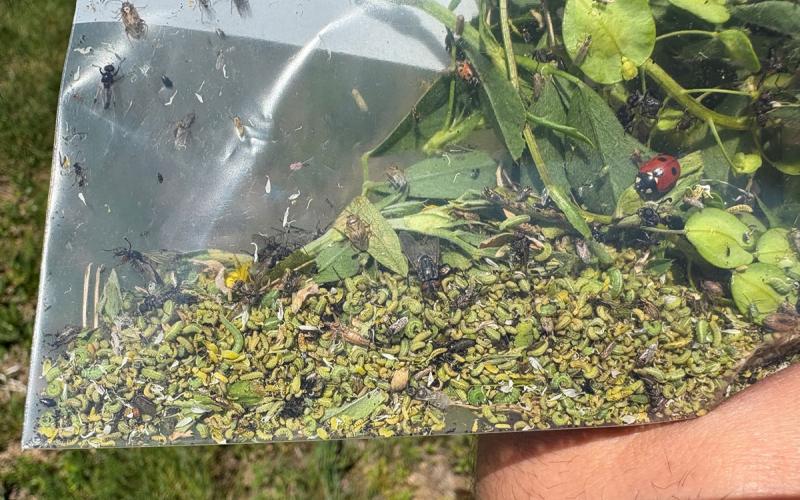
Learn about alfalfa weevil at Northern Plains Forage Association annual meeting
November 17, 2025
South Dakota State University Extension encourages producers to attend the Northern Plains Forage Association annual meeting and seminars, which will feature forage-related education and research.