Content by Jason Clark

Organic Gardening: Soil Management
Gardeners throughout South Dakota are experimenting with organic gardening. While the adoption of organic gardening methods can be daunting, learning some fundamental soil management concepts will set the foundations for success.
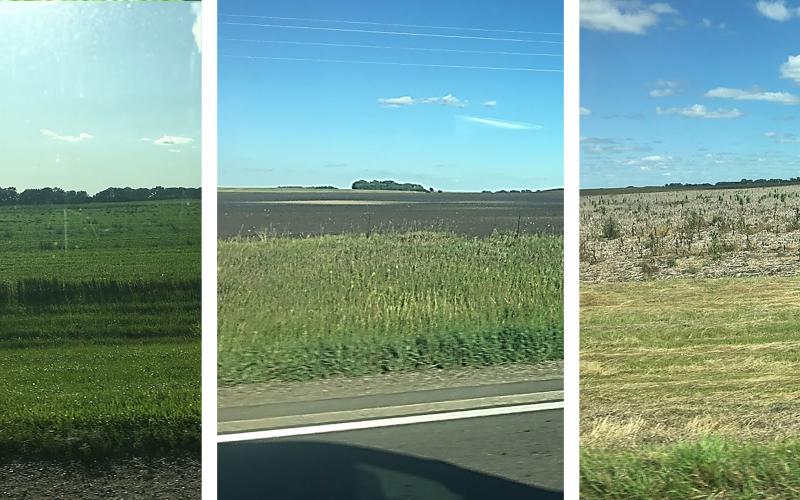
Prevent Plant: Its Effect on Fall and Spring Fertilizing Plans
Driving around South Dakota, you can see the many acres that farmers were not able to plant. Now that fall soil-sampling season is well on its way, many people have questions regarding how different situations of prevented planting will affect soil sampling and fertilizer application needs.
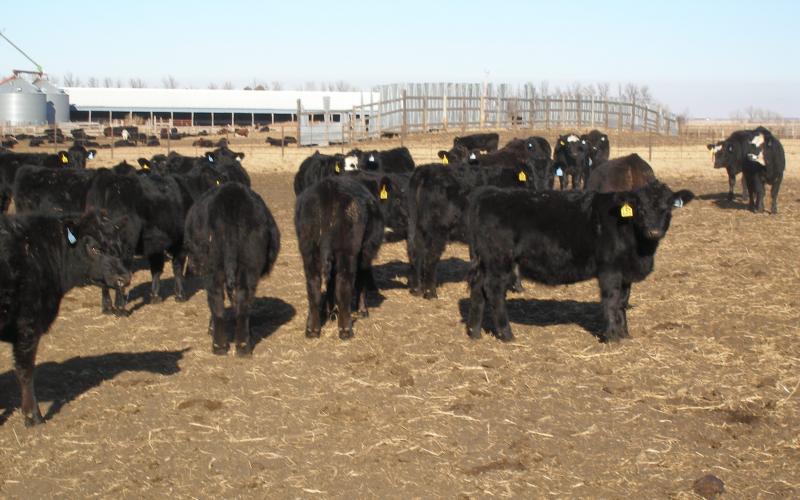
Using Feedlot Manure as a Crop Nutrient Source
Factsheet that reviews the steps to obtain a manure application rate based on crop need, soil and manure testing.
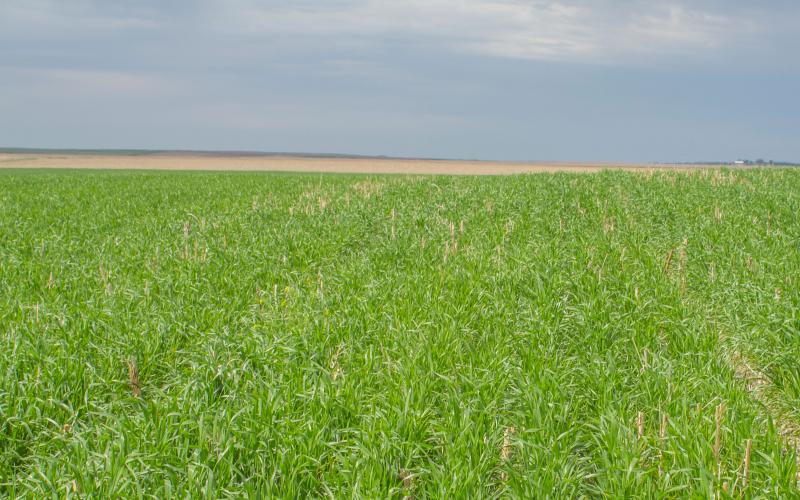
Chloride Fertilizers May Be Beneficial in Spring Wheat Production
Chloride, the ionic form of chlorine, although not considered an essential nutrient, has long been observed to be highly beneficial to field crops. Chloride is known to play an essential role in plant development and osmoregulation.
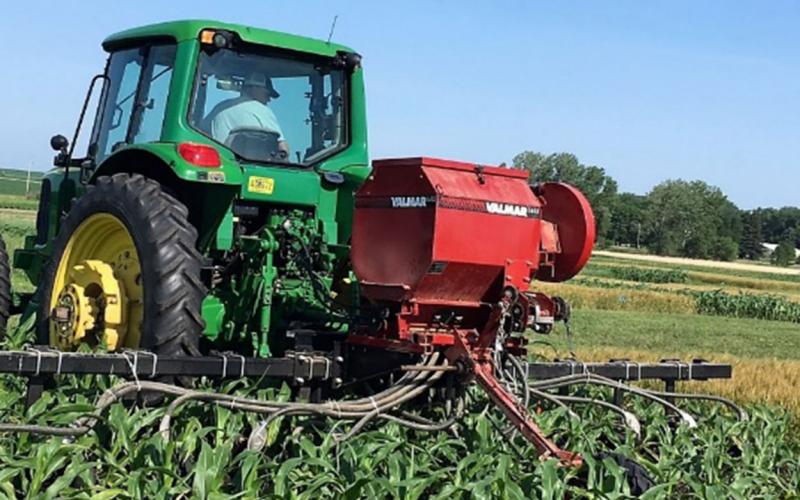
Interseeding Cover Crops Effect on Corn and Soybean Production: 2019
Incorporating cover crops into our cropping systems and moving from conventional tillage to no-till can improve soil organic matter, soil structure, and water and nutrient holding capacity of our soils.
Recommended Soil Sampling Methods and Instructions
Proper collection of soil samples is extremely important as the accuracy of the soil test depends on the quality of the soil sample provided to the lab.
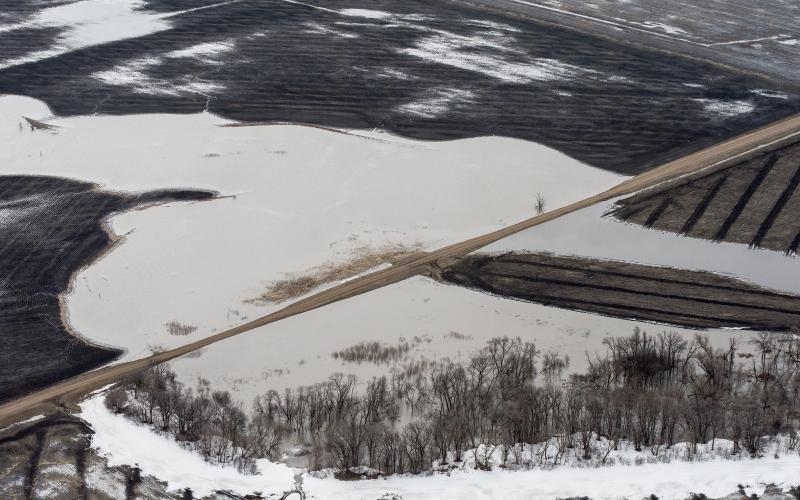
Managing Soil and Soil Fertility After Flooding
During floods, your fields will experience different amounts of erosion, sediment deposition, and crop residue accumulation. To avoid compaction of these soils it is crucial to let soils drain and dry out sufficiently before removing any large debris from fields or working the soil.
Fertilizer Recommendation Guide
SDSU Extension fertilizer recommendations are based on field research in South Dakota and neighboring states.