Content by Anthony Bly
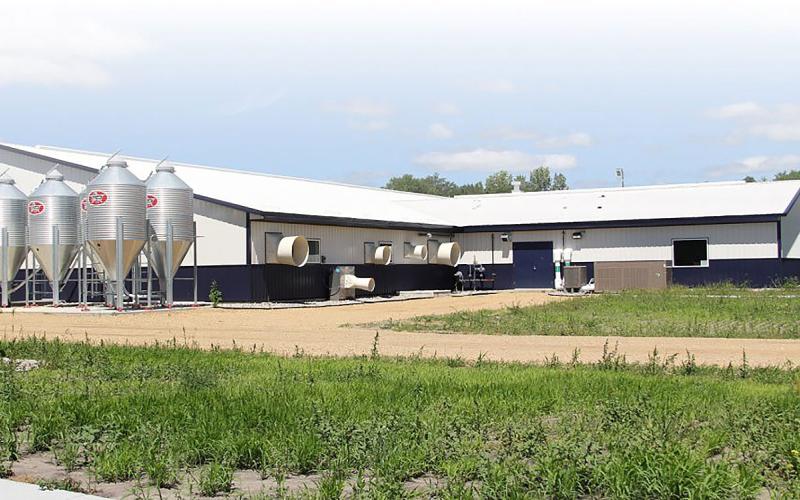
Best Practices for Swine Manure Application
This fact sheet summarizes research-based practices to help producers, consultants, and conservation professionals make practical decisions that protect both productivity and stewardship.
Impact of Swine Manure on Soil Organic Carbon
This fact sheet summarizes what research shows about how swine manure affects SOC and what that means for field-level decisions.
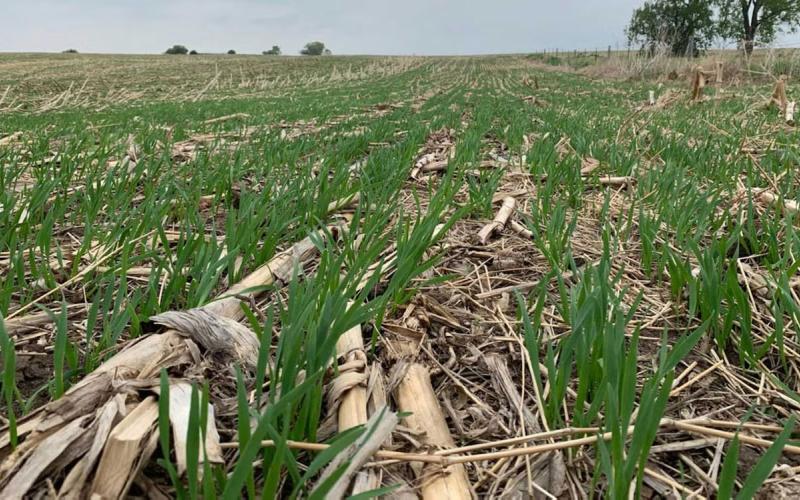
Oat Nitrogen Fertilizer Rate Guidelines: Do we use the yield goal or maximum return to nitrogen approach?
Nitrogen is an essential plant nutrient commonly applied to oat crops. It is important to apply an appropriate rate of nitrogen fertilizer to oats, as too little can reduce economic return, while too much can lead to potential negative environmental effects.
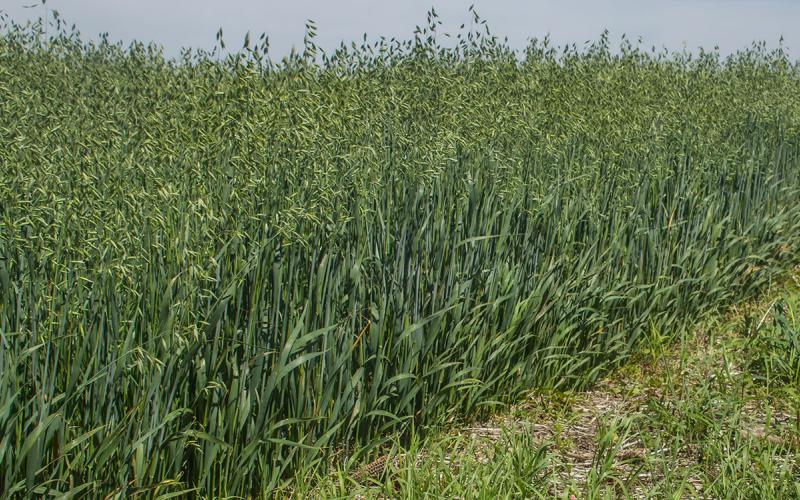
Updating Oat Nitrogen Fertilizer Rate Recommendations in South Dakota
Research trial results for nitrogen fertilizer rate recommendation for oats in South Dakota.
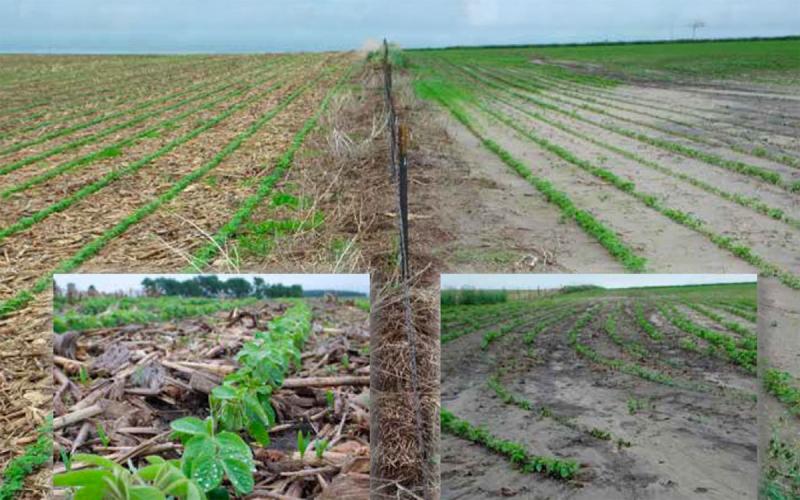
SDSU Extension to host soil health meeting in Freeman
November 12, 2025
South Dakota State University Extension will host a Managing Soil: Maximizing Profit meeting on Dec. 9, 2025.
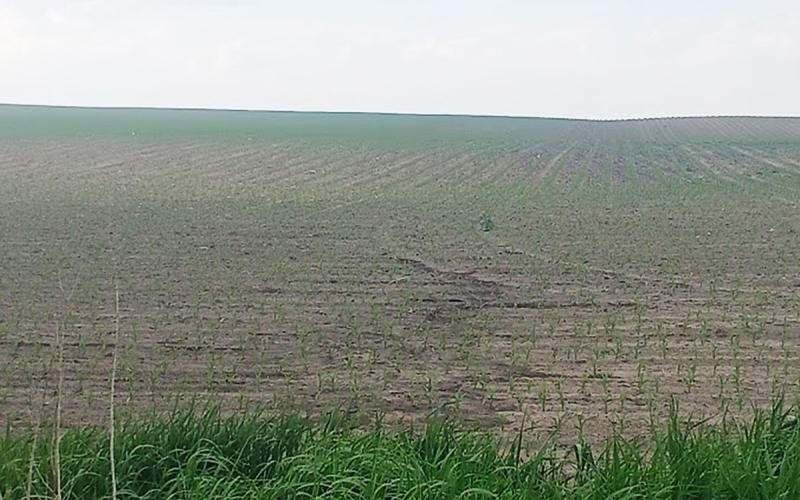
Soil Erosion Mitigation During Heavy Rainfall Events
Adopting soil health practices that minimize disturbance, increase surface cover and organic matter content, and keep roots growing in the soil can help to increase soil infiltration rates and reduce destruction of soil aggregates from heavy rain.
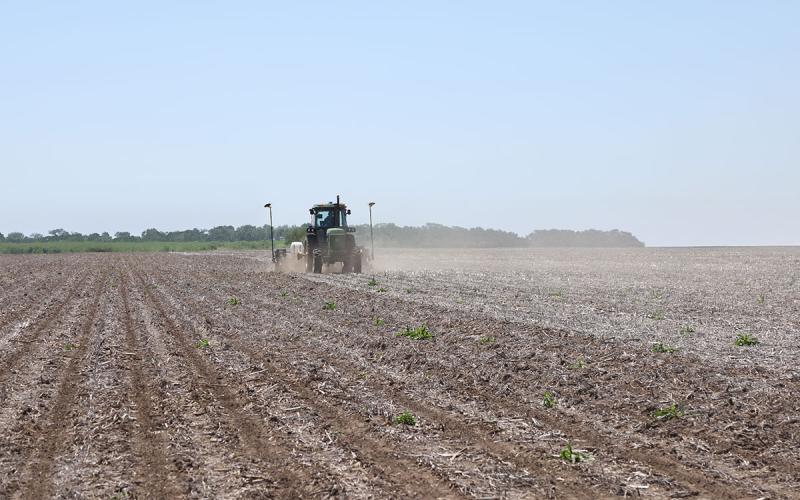
Fertilizer Placed With the Seeds in Dry Soil Conditions
Climate patterns can shift from wet to dry very quickly. A current consideration is thinking about seed injury from furrow-placed fertilizers, and there are notable differences among crops for tolerance of seed-placed fertilizers.
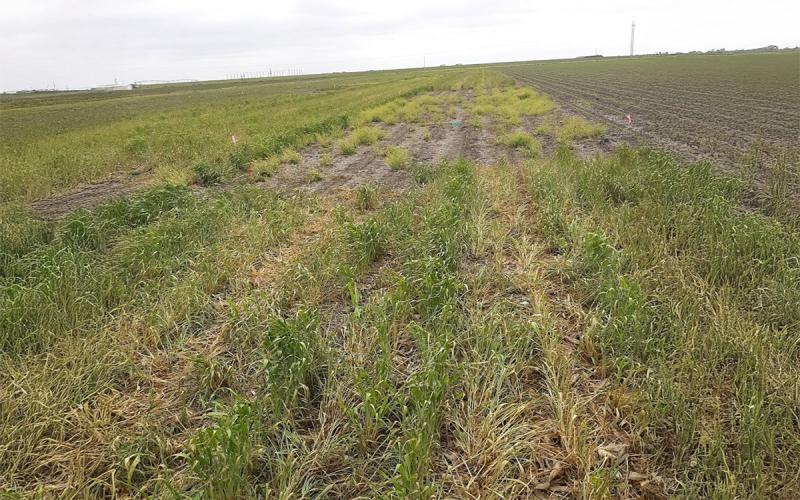
Conserving Soil Moisture During Dry Conditions
Dry conditions can create difficulties for agricultural producers. Using soil health principles can improve the resilience of agricultural systems to dry conditions.
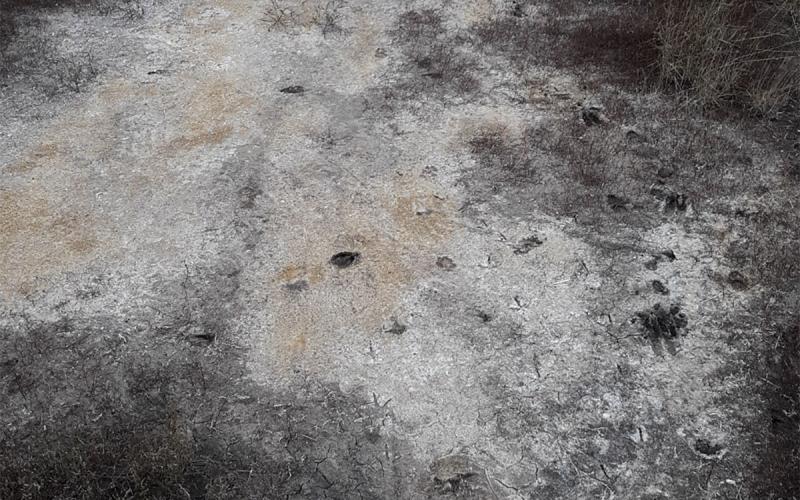
Soil Salinity, Sodicity, and Alkalinity in South Dakota Soils
Salinity and sodicity are issues that negatively affect crop production and soil health in South Dakota.
SDSU Extension to host annual soil conference in Wagner
October 18, 2024
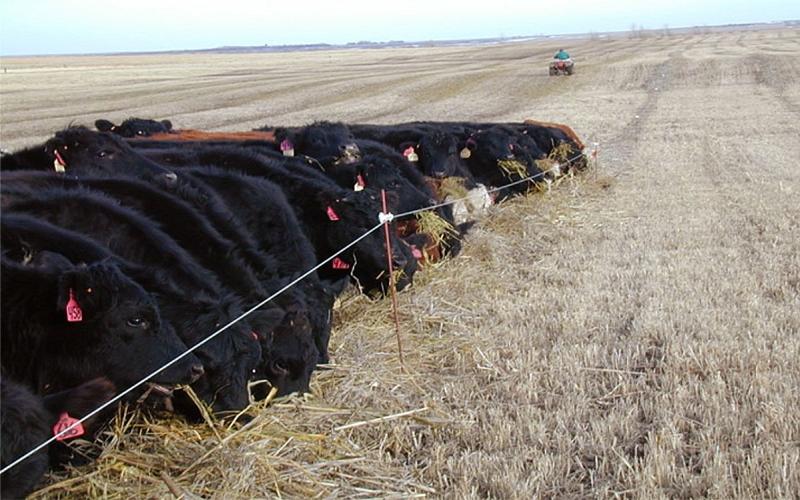
Managing Soil: Maximizing Profit is an annual conference for crop producers and industry professionals. Anthony Bly, SDSU Extension Soils Field Specialist, said the conference provides valuable information for everyone who raises crops, forages and livestock.