Wheat Publications
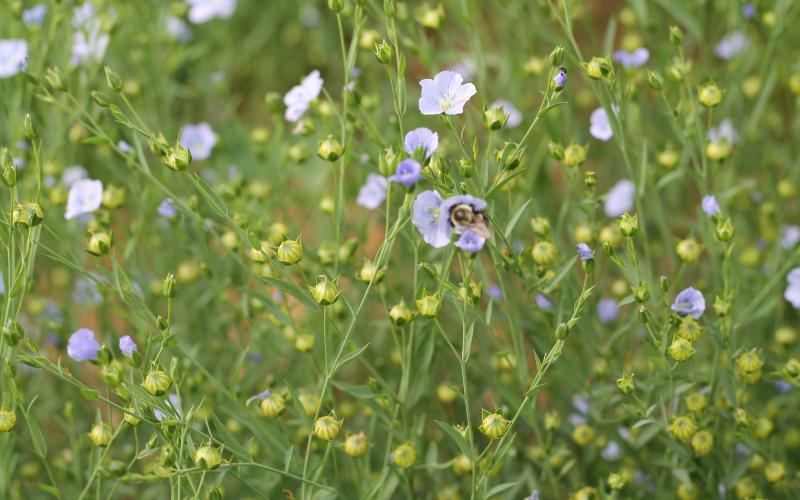
Herbicide Residual Effects on Cover Crops after Wheat
Fact sheet about herbicide residual effect on cover crops after wheat.
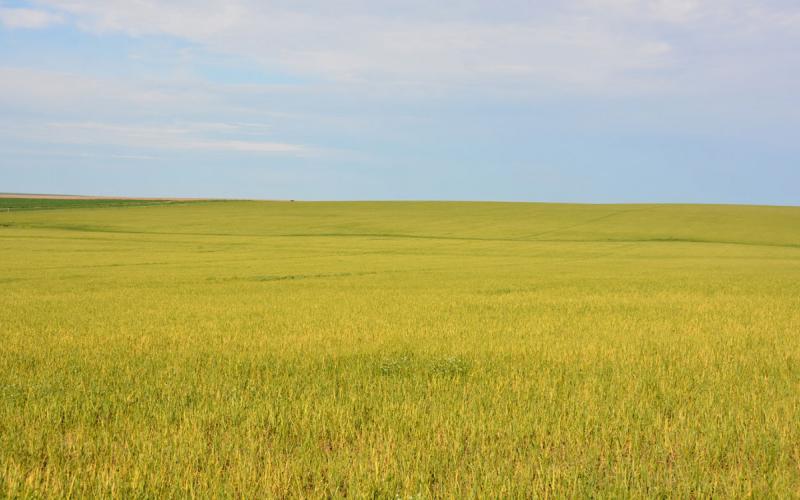
Wheat Streak Mosaic of Wheat
Fact sheet about symptoms, disease cycle, risk factors and management of Wheat streak mosaic disease
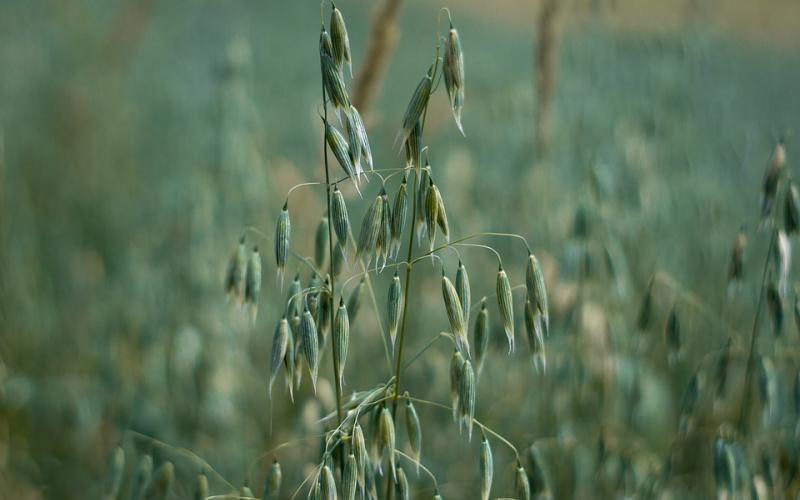
2020 Plant Disease Summaries for Small Grains
A number of field trials were implemented in the 2020 growing season with the general objective of assessing various disease management practices suitable for South Dakota growers and the Great Plains.
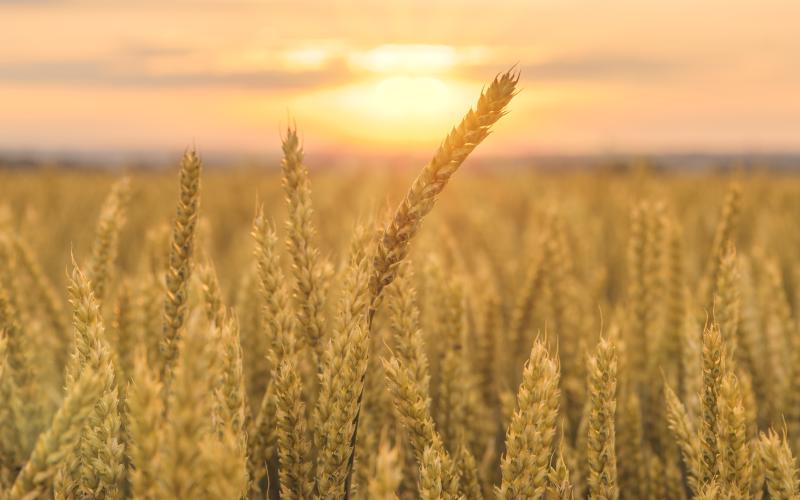
2019 Wheat Field Plot Trials Summary: Fungal and Bacterial Disease Trials
This publication provides a summary of wheat trials conducted in 2019 to determine efficacy of various products in managing wheat diseases.
2018 Field Plot Summaries for Wheat Disease Management Trials
The wheat disease management field experiments conducted in the 2018 growing season evaluated several experimental and commercially available fungicides for managing foliar, head or root diseases of spring wheat. Foliar and spike/head diseases incidence and severity were assessed. The field experiments were implemented at Volga Research Farm and Northeast Research Farm (NERF) near South Shore, SD. Results of the same experiment may vary between Volga and Northeast due to environmental differences between the two locations.

Fungicide Resistance: Risk and Management
What is fungicide resistance?
Fungicide resistance can be defined as when a pathogen population is no longer sensitive or has reduced sensitivity to the fungicide that used to control the same pathogen.
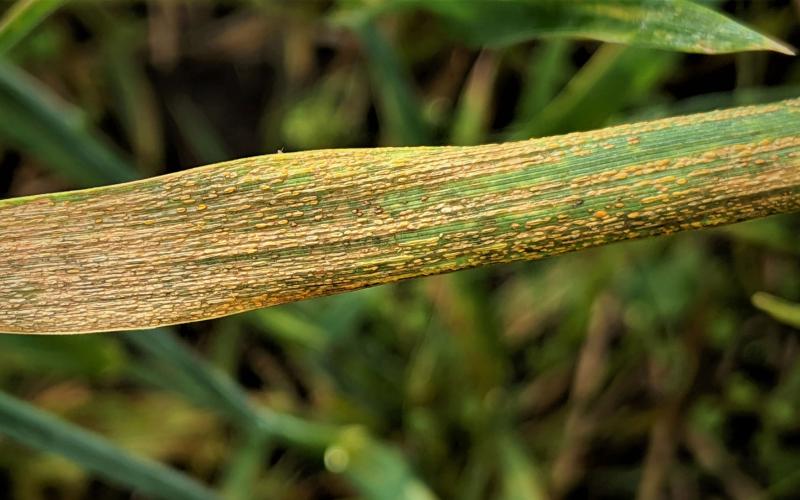
Wheat Diseases Identification Pocket Guide
Accurate plant disease identification is the first step in designing effective and sustainable disease management programs. The purpose of this guide is to provide information on how to recognize wheat diseases and also to provide possible management options.
Tan Spot of Wheat
Tan spot is a devastating disease of wheat in South Dakota and the rest of the wheat producing regions world over. It causes an estimated yield loss of about 5 percent in South Dakota but this loss can go up to 30 percent in individual fields.

2021 South Dakota Pest Management Guides Now Available
February 04, 2021
SDSU Extension has released the 2021 South Dakota Pest Management Guides.
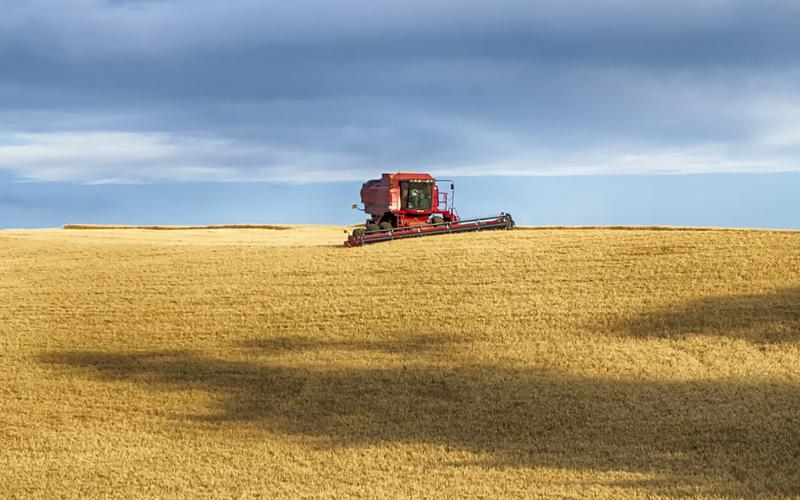
Best Management Practices for Wheat Production
The Wheat Best Management Practices manual offers a comprehensive guide for optimizing yields, maximizing profits and ensuring long-term sustainability in wheat production.