Vegetable
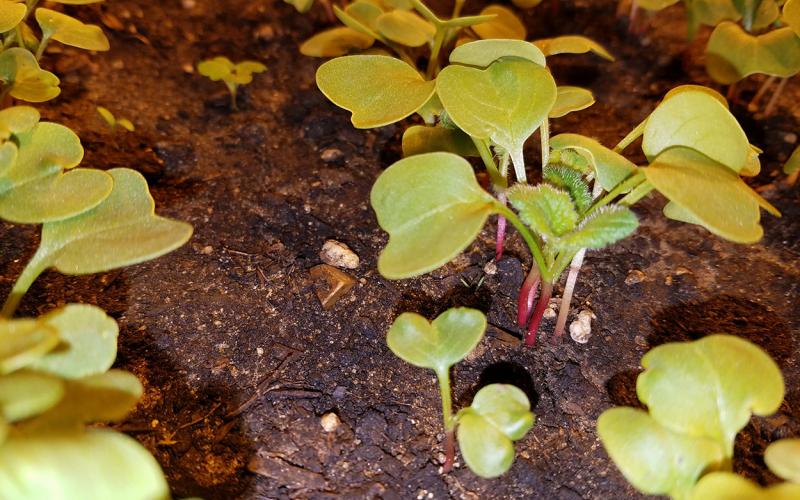
Radish: A Quick-Growing Vegetable To Enjoy in Spring
Radishes can be planted early in the growing season, as they germinate in soils temperatures as low as 40 degrees Fahrenheit.
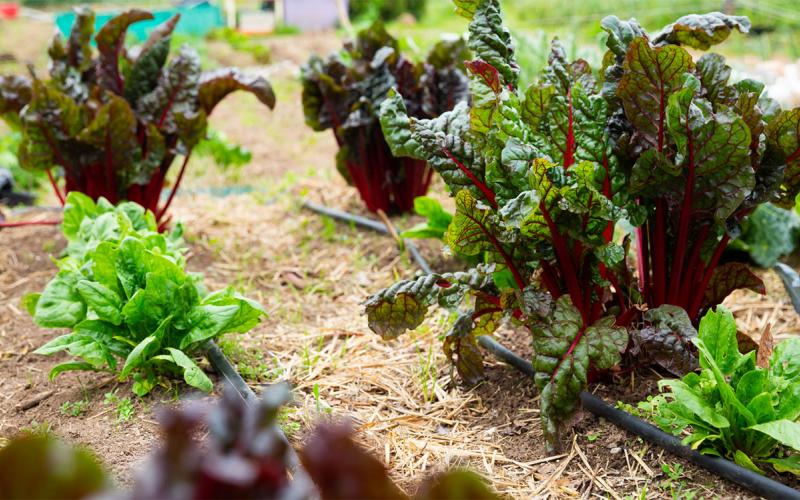
Vegetable Gardening During a Drought
In a drought, getting water to plants is a priority. The following management tips will help you efficiently use water and maximize other gardening practices to achieve a healthy and productive garden.
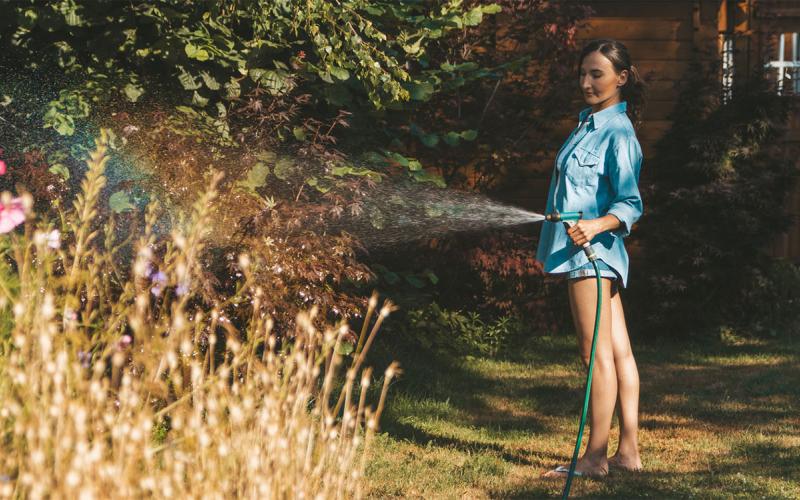
Gardening Tips During a Drought
Drought conditions present challenges for gardeners, but it's still possible to grow things by modifying gardening techniques to keep established plants growing and provide a good environment for new plants.
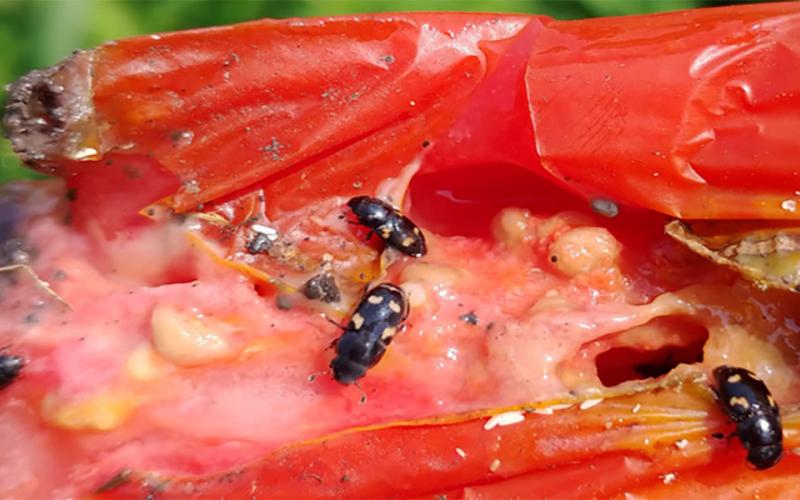
How Do I Keep Insects From Destroying My Garden Produce?
It is not unusual to see insects in a garden during the fall, but it can be frustrating to watch nearly ripe produce be destroyed by insects before it can be picked.
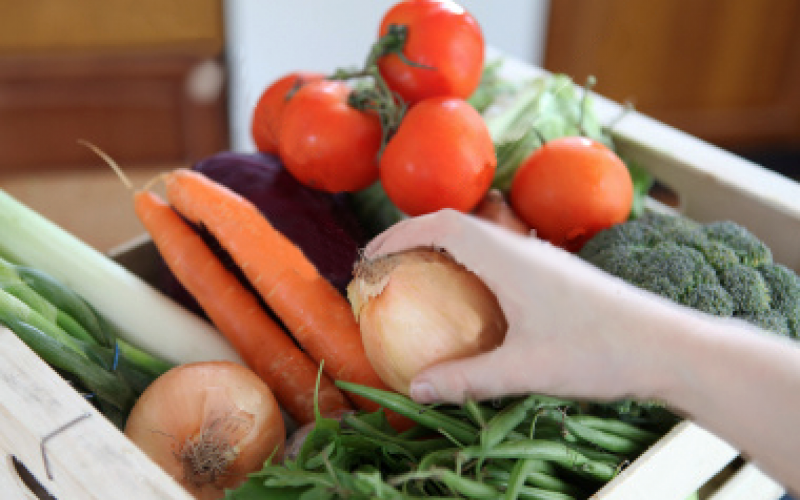
Blossom End Rot on Tomatoes and Other Vegetables
Publication about the symptoms, causes and management of blossom end rot on tomatoes and other vegetables.

Growing Asparagus
Publication about growing asparagus.
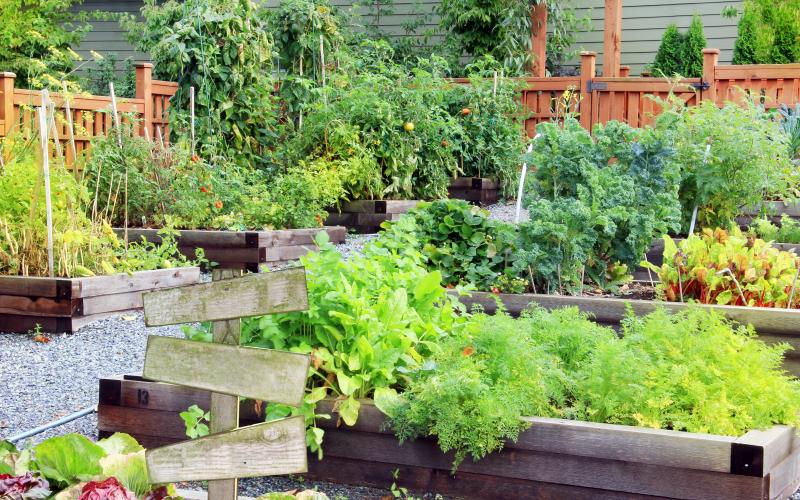
Managing Salts in the Home Garden
Fact sheet about managing salts in your home garden.
Salt/Salinity Tolerance of Common Horticulture Crops in South Dakota
Fact sheet about salt/salinity tolerance of common horticulture crops.
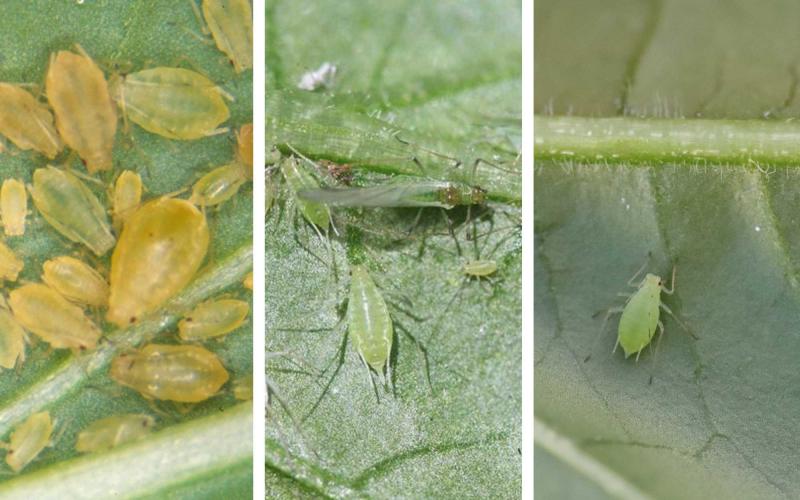
Are Your Pepper Plants Covered With Aphids?
During this time of the growing season, it is common to observe aphids on garden plants, including peppers. However, when dense aphid populations are present, they can reduce pepper yields and cause rapid plant health decline.
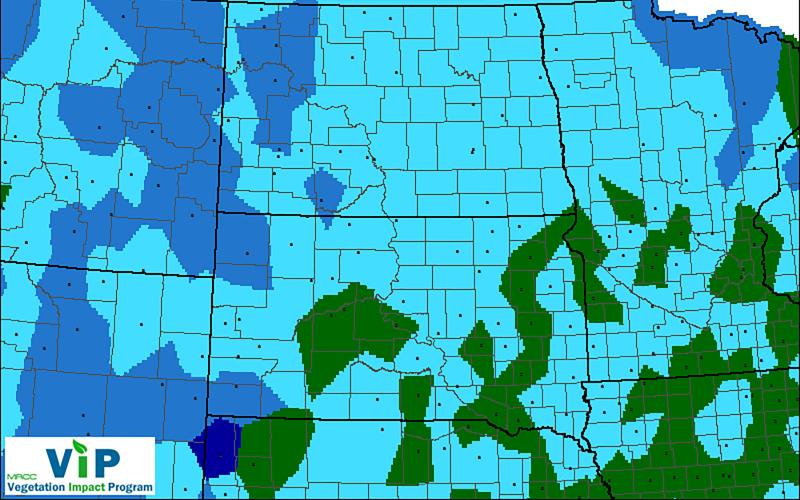
Fall Frost and September Climate Outlook for 2019
This year’s struggles with weather and climate are continuing this fall. Late planting of corn and soybeans in the spring have now combined with near average or cooler than average summertime temperatures. This combination has led to slow crop growth and the need for an extended frost-free season to ensure these crops reach maturity.