Harvesting Wheat

Weed Management via Harvesting Order
Despite The warm and wet growing season that promoted continuous flushes of weed germination, weeds are usually present at the time of harvest. Careful consideration should be taken to determine the order of fields to be harvested.
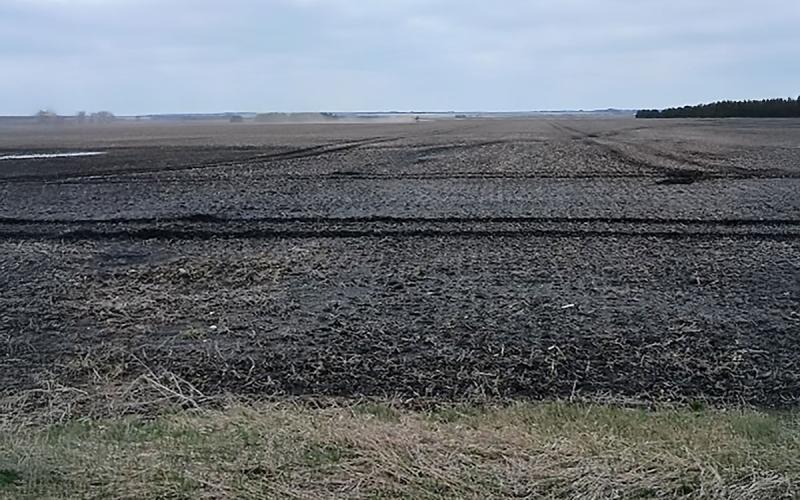
How to Avoid Soil Compaction During Crop Harvest
Soil compaction can degrade soil health and lead to reduced crop yields. Learn some production practices that can implemented during harvest to avoid soil compaction.
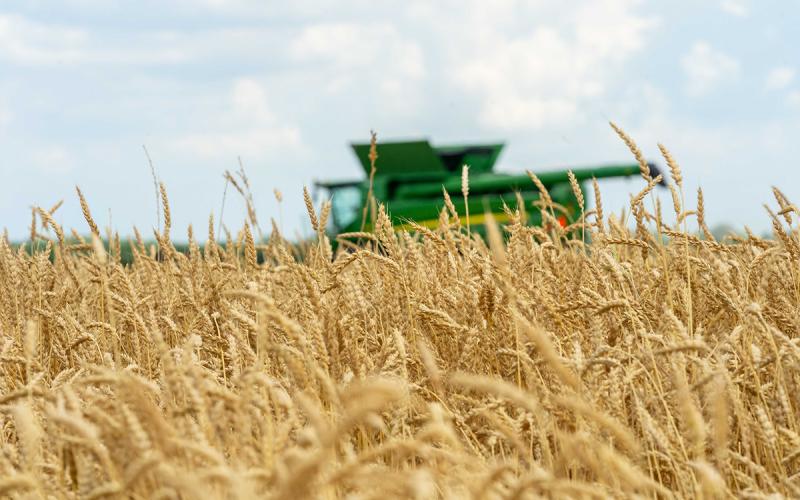
Weed Management After Wheat Harvest
Most of the winter wheat has been harvested in South Dakota and spring wheat harvest is underway. While the growing season is over for the wheat, post-harvest weed management is important to minimize the amount of weeds that are present in the spring
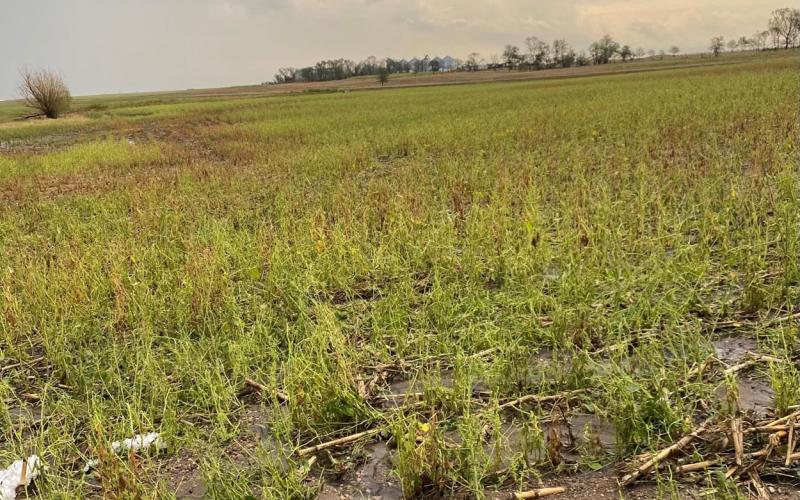
Making Decisions With Hail-Damaged Row Crops
Late-season hail damage can leave growers wondering what to do next. Before deciding what to do with your hail-damaged fields, take some time to consider a variety of management options.
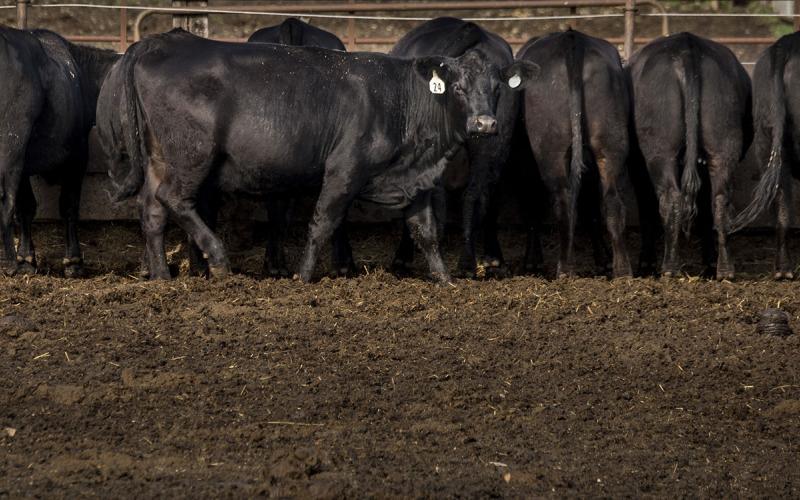
Feeding Damaged Wheat to Cattle
Feeding damaged wheat to livestock is one way to salvage value from the crop. Wheat can work well in cattle diets with some limitations.
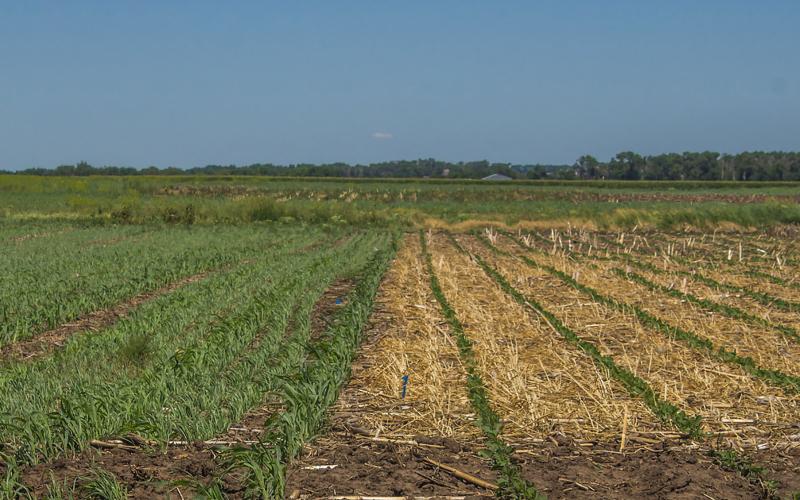
Crop Residue, Cover Crops Impact on Soil Health Parameters
Interest in no-till and cover crops has been on the rise among South Dakota crop producers. In 2019, half of South Dakota crop ground was under no-till management and about 900,000 acres were planted to cover crops.
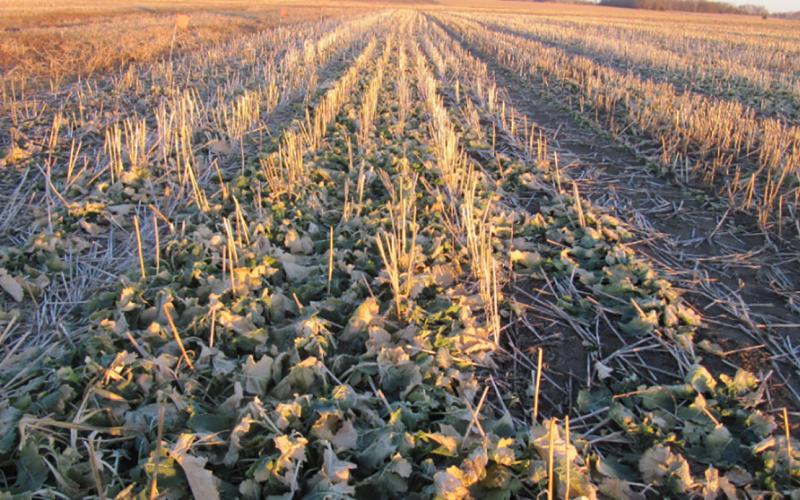
Cover Crops After Small Grains
In last few years, interest in using cover crops has been increasing tremendously among crop and livestock producers in South Dakota. Growing cover crops following small grain is gaining more attention due to feasibility in cover crops species selection and also the time of the year where cover crops receive longer growing and establishing time than following row crops.

Winter Wheat Decisions
Winter wheat planting will soon be starting and a number of decisions will have to be made for a successful winter wheat crop, including: the time of planting, the choice of variety to be planted, disease and pest management decisions and crop insurance.
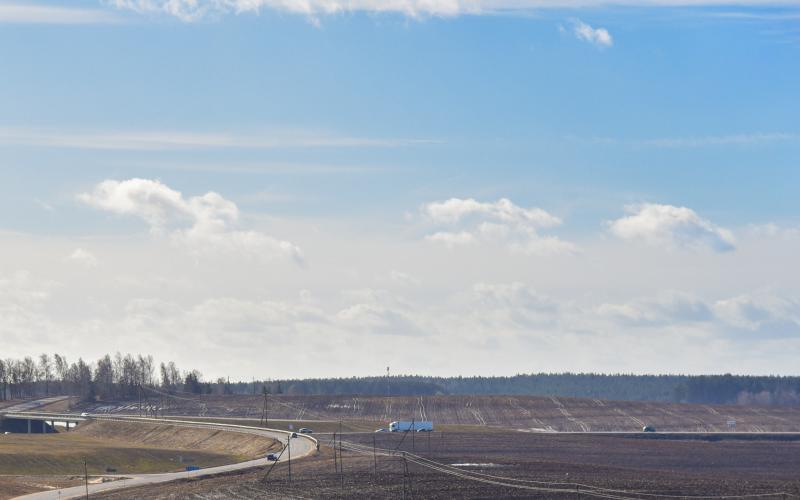
Spring Wheat 2019: A Repeat of Last Year?
The spring of 2019 has been cold and wet in many areas of South Dakota, similar to the spring of 2018. In 2018, despite the challenging weather, spring wheat acres were up 8% from 2017. However, planted acres in 2019 may be reduced as the extended weather forecast shows unfavorable planting conditions extending well into May.
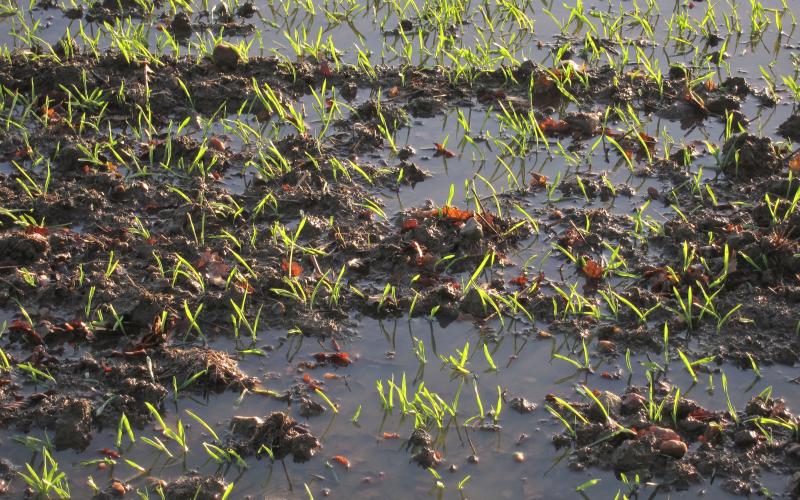
Wet Feet in Wheat
Given the widespread wet conditions present this spring, there are many areas in winter wheat fields with both ponding and saturated (or waterlogged) soils. Producers may want to consider soil conditions and evaluate extended weather forecasts when deciding whether or not to retain a winter wheat this spring.