
Cover Crops

All Cover Crops Content
A green tractor pulling a fertilizer wagon through a field of alfalfa.

Fertilizing Forages in South Dakota

Spring is a busy time for South Dakota farmers and ranchers with planting, calving, and other field preparations. Soil sampling and fertilizing pastures, alfalfa, or other forages might be overlooked.

A field with patches of soil exhibiting poor water infiltration.

Farm Practices That Improve Soil Health: Cover Crops and Crop Residues

Planting cover crops and returning crop residues (stover) to the soil both adds nutrients and improves overall soil quality. These practices are common with producers across South Dakota and have been recently studied by researchers to identify how they impact the release of greenhouse gases into the atmosphere.

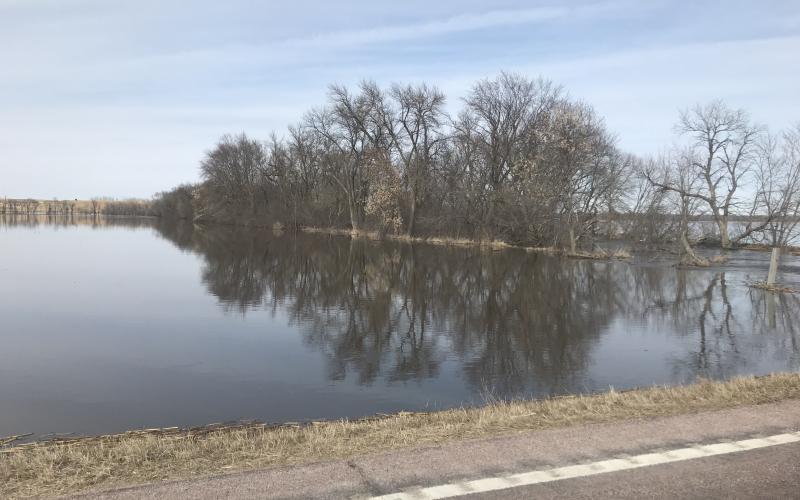
a flooded alfalfa field

Managing Flooded Alfalfa

As floodwaters rise again in parts of South Dakota, spring planting seems to feel further and further away. One crop that is often overlooked in the hustle and bustle of the approaching planting season is alfalfa.
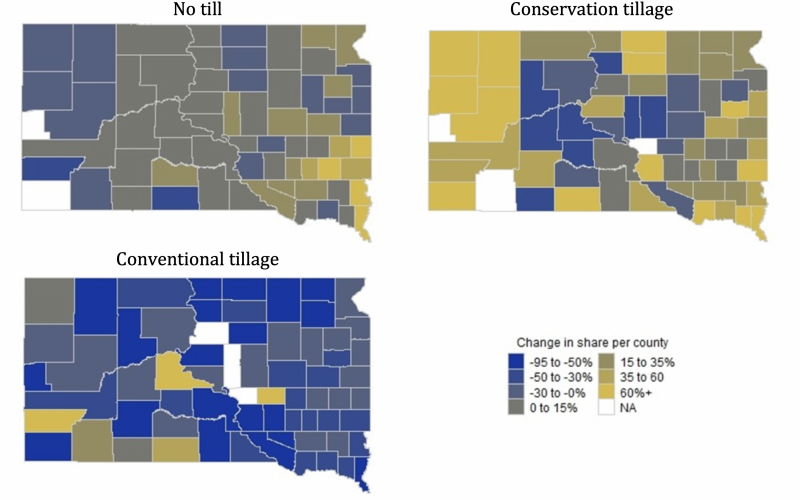
Three color-coded maps indicating no-till, conservation tillage, and conventional tillage percentages in South Dakota. For a complete description, call SDSU Extension at 605-688-6729.

Soil Conservation Practice Adoption Status at the S.D. County Level: 2012–2017

An increasing number of farmers across the state of South Dakota have adopted different soil conservation practices such as no-till, conservation tillage and cover crops. Over time, these practices play significant roles in improving soil health and increasing soil resilience towards extreme weather conditions.