Search
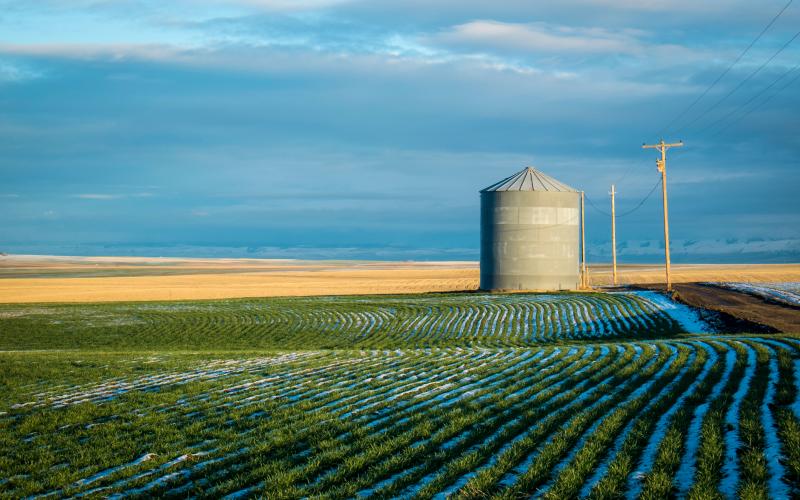
Climate Adaptability of Winter Wheat
For most of us, wheat is wheat. However, there is a distinct difference between spring and winter wheat, even though the vegetative characteristics of these two wheat types are very similar.
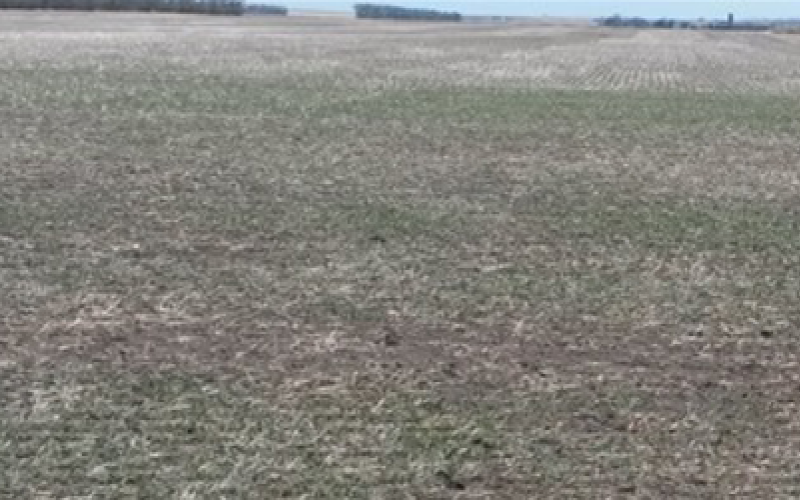
What Makes Winter Wheat a “Winter Wheat”?
For most of us wheat is wheat; however there is a distinct difference between spring and winter wheat, even though the vegetative characteristics of these two wheat types are very similar. Winter wheat can withstand freezing temperatures for extended periods of time during the early vegetative stage and requires exposure to freezing or near freezing temperature to trigger reproductive stage. In other words, if winter wheat does not go through a period of cold temperatures, then it will not produce seed. Two things needed for winter wheat to perform at optimally and produce good yields are- cold acclimation and vernalization.

Put Your Location on the Map along the US Highway 14 SD Rural Road Trip Trail
May 03, 2023
SDSU Extension is holding a series of community meetings to share and collect information to promote tourism along U.S. Highway 14, which runs east-west across north-central South Dakota.
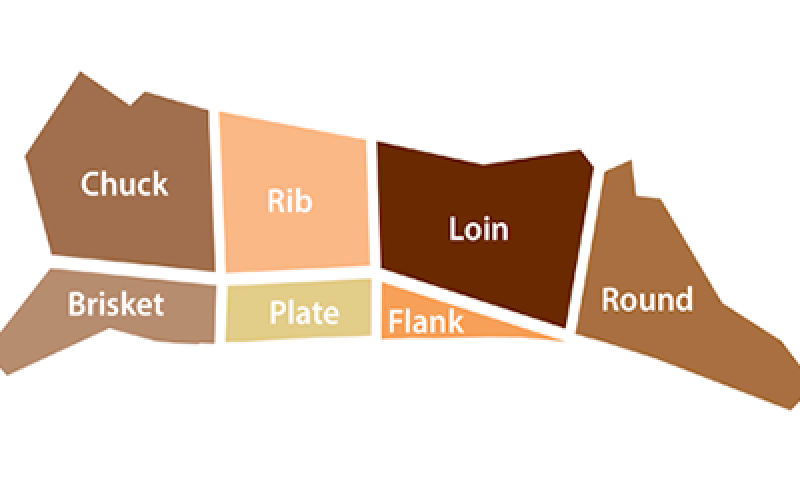
Buying Beef at the Grocery Store
The tremendous number of choices available to beef consumers offers a cut for any meal, but can also leave the most confident consumer puzzled as to the proper cut that should be purchased. Use this guide to help you select the ideal beef cut for your occasion.
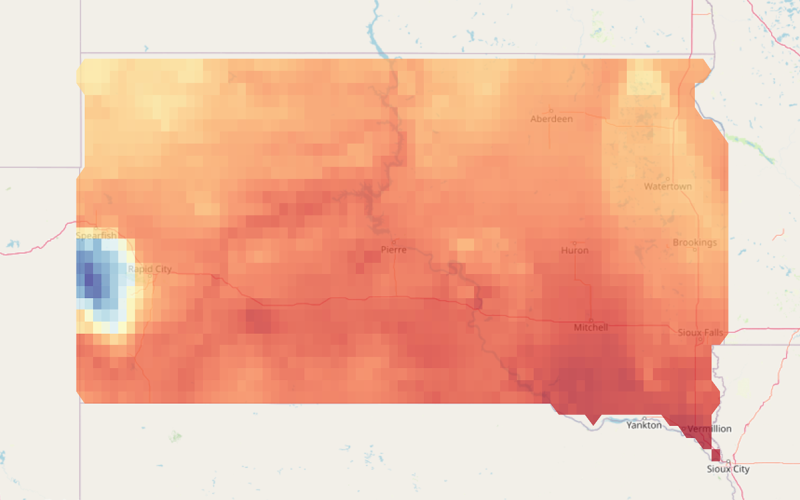
South Dakota Grazing Readiness Spring Turnout Map
The South Dakota Grazing Readiness Map uses historical climate data to provide livestock producers with a range of spring turnout dates for their location based on grass type.
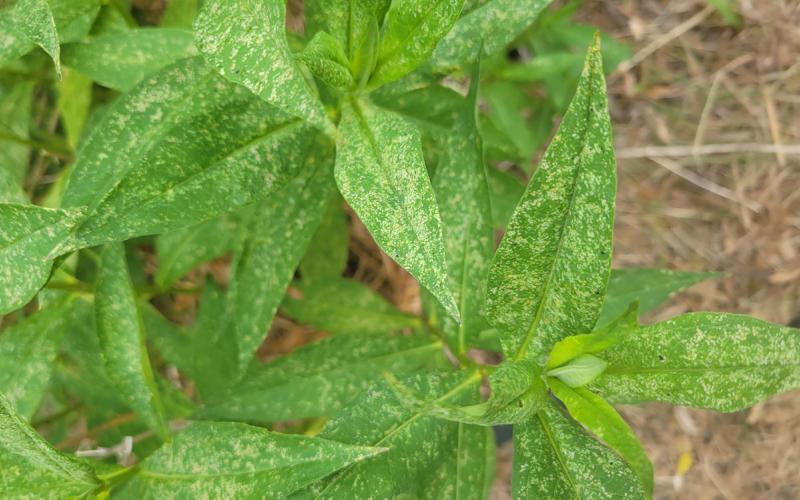
Spider Mites on Garden Phlox
During warm, dry weather, spider mites are a common pest of phlox, causing speckling, bronzing, and yellowing on leaves due to feeding behavior. Learn how to identify and manage infestations before they impact your garden.

The Dietary Guidelines for Americans 2020–2025
The 2020–2025 Dietary Guidelines for Americans include dietary recommendations for all life stages, from birth to older adulthood, along with pregnant and lactating women.
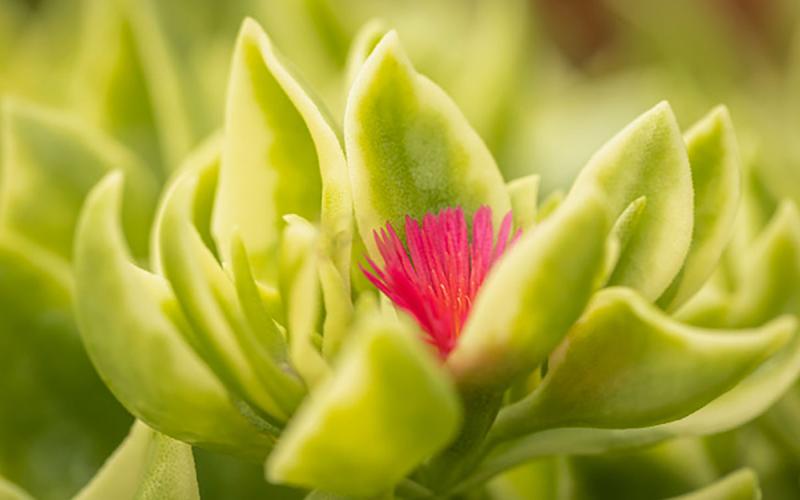
How to Care for Succulents Indoors
Succulents are popular, low-maintenance house plants that will grow in your home year-round. Learn some expert tips for planting, growing and caring for them in this resource!

Interactive Grain Report Tool
The SDSU Extension Interactive Grain Report Tool is a comprehensive, real-time agricultural market intelligence platform providing detailed analysis of U.S. grain markets, biofuels production, fertilizer markets, and transportation infrastructure.
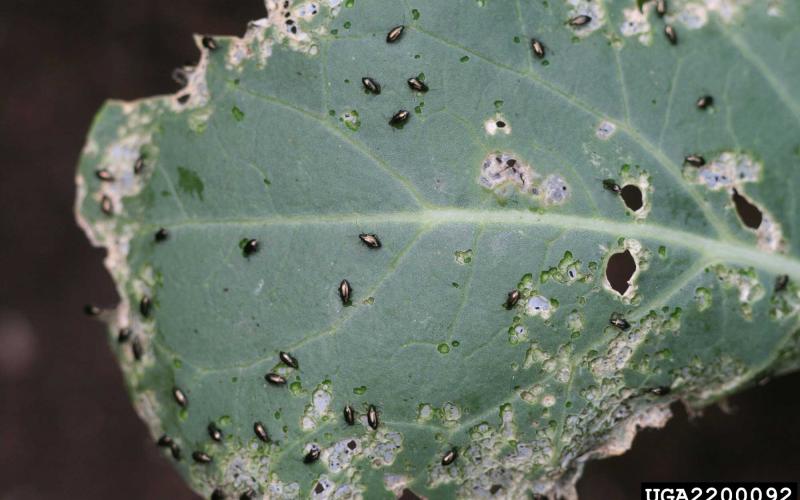
Flea Beetles in the Garden
Flea beetles have been out in full force so far this year. This group of herbivorous beetles can be a pest of many different garden plants, including tomatoes, peppers, beans, squash, lettuce and others.