Search
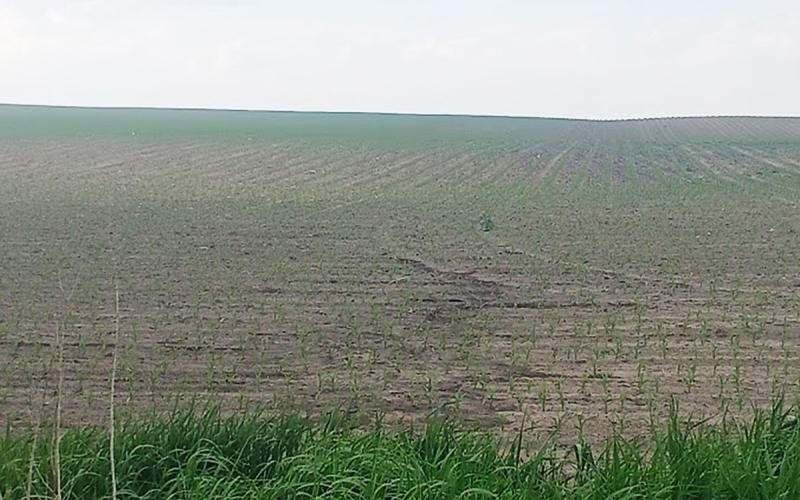
Soil Erosion Mitigation During Heavy Rainfall Events
Adopting soil health practices that minimize disturbance, increase surface cover and organic matter content, and keep roots growing in the soil can help to increase soil infiltration rates and reduce destruction of soil aggregates from heavy rain.

SDSU Extension Presents at 76th Annual Meeting of Midwestern Legislative Conference
August 19, 2022
Kara Harders, SDSU Extension Community Vitality Field Specialist, presented at the 76th Annual Meeting of the Midwestern Legislative Conference (MLC) held in Wichita, Kansas, July 10-13, 2022.

Trusts Explained: What They Are and Why You Need One
Trusts are powerful estate planning tools that help individuals protect assets, provide for loved ones, and ensure their wishes are carried out.
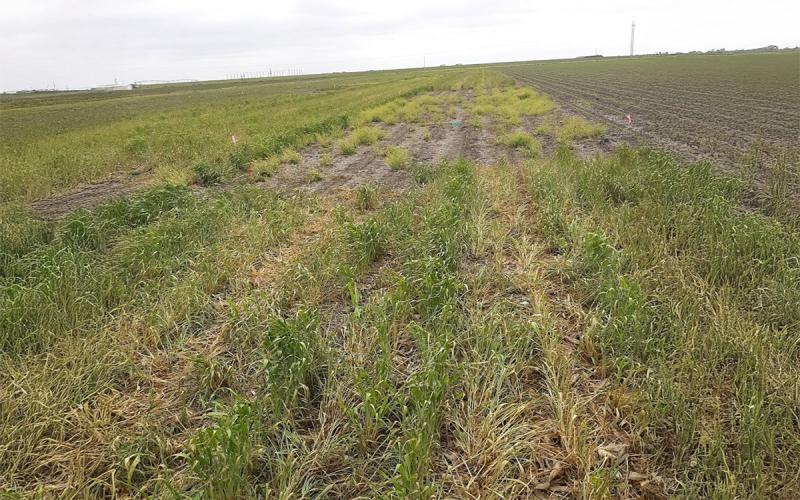
Conserving Soil Moisture During Dry Conditions
Dry conditions can create difficulties for agricultural producers. Using soil health principles can improve the resilience of agricultural systems to dry conditions.
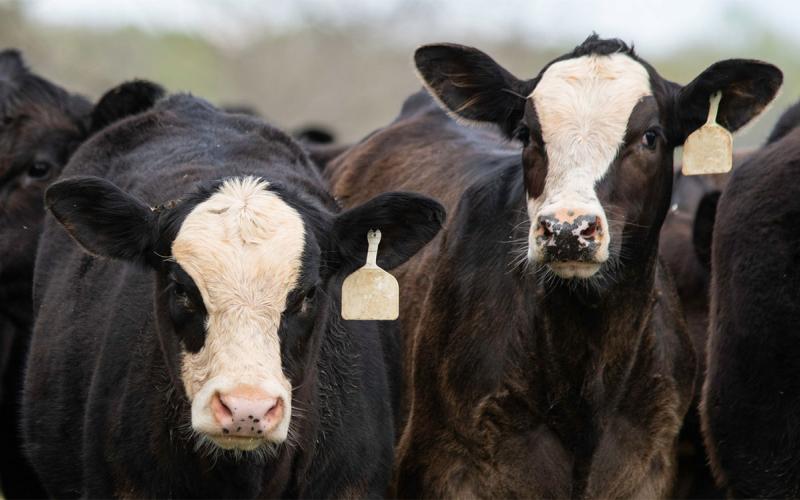
Sell the Feeder Calf, or Create a Yearling?
Fall brings many weaning and selling time decisions for cattle operations. Learn some expert tips for evaluating your current situation and making informed management decisions given the price of calves, feed, and the futures market.

What can the construction industry learn from the motion picture industry?
Many of us take for granted the rating system used to indicate the appropriate audience for movies in the U.S. The interesting thing is that movie creators have no legal requirement to follow the Classification and Rating Administration (CARA) guidelines. Yet, they do.
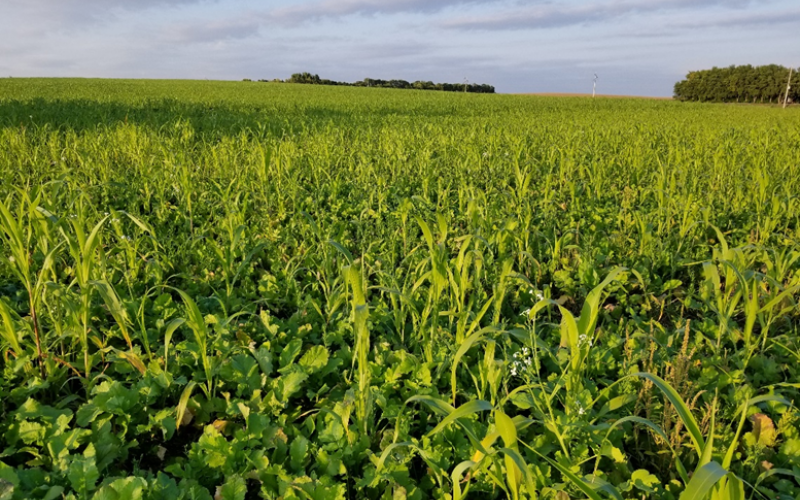
South Dakota Land Use Trends (2012-2017)
Significant education efforts for natural resource conservation have occurred in South Dakota during the last five years. Many stakeholder groups have brought awareness for soil health and water quality to the forefront.
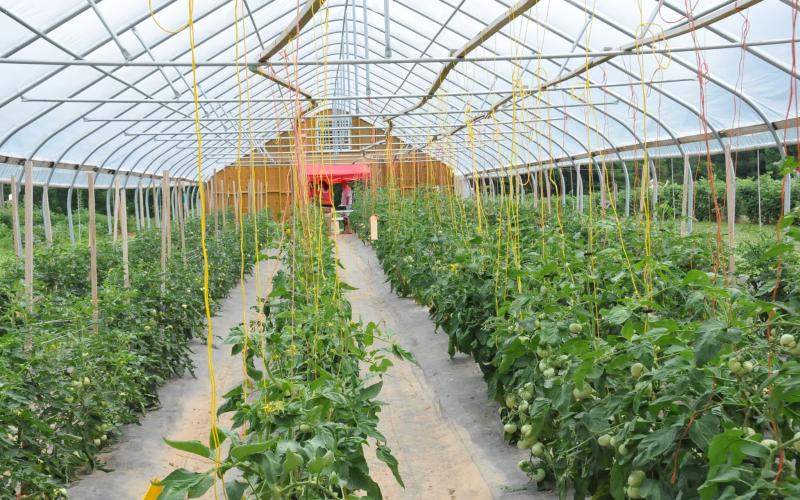
Pollinating Tomatoes in High Tunnels
In field-grown tomatoes the air movement is sufficient to vibrate flowers and achieve pollination. This is not generally true in the high tunnel because there is not sufficient natural wind to vibrate the flowers. High tunnel tomato growers should therefore pollinate their crop by other means.

SDSU Extension to host farm, ranch estate planning series
October 18, 2024
The conference provides farmers and ranchers with three days of information on creating their plan, no matter how big or small the operation. All members involved in the operation are encouraged to attend together.
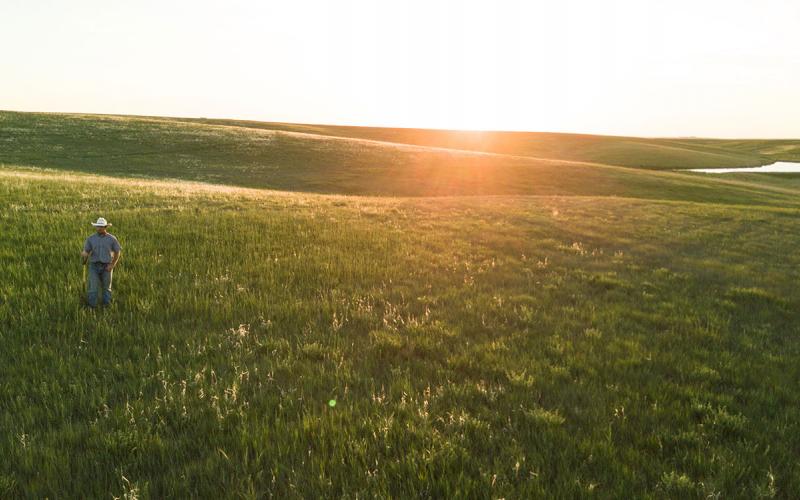
Grassland Fertilization: Terminology and Economics
This article is the first in a series of six focused on helping producers understand the pros and cons of grassland fertilization. We begin by learning some of the basic terminology and information related to fertilization.