Search
Purchasing Bred Females
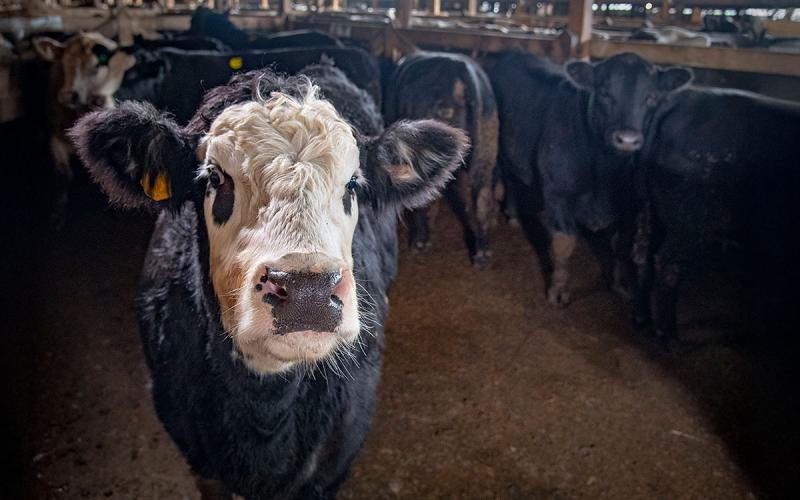
Weaning time is here and the decision to retain or sell heifers is front and center. Regardless of your decision, there is opportunity to purchase bred females and increase the calves available to market next season in a strong market.
Hail and Bruising in Cattle
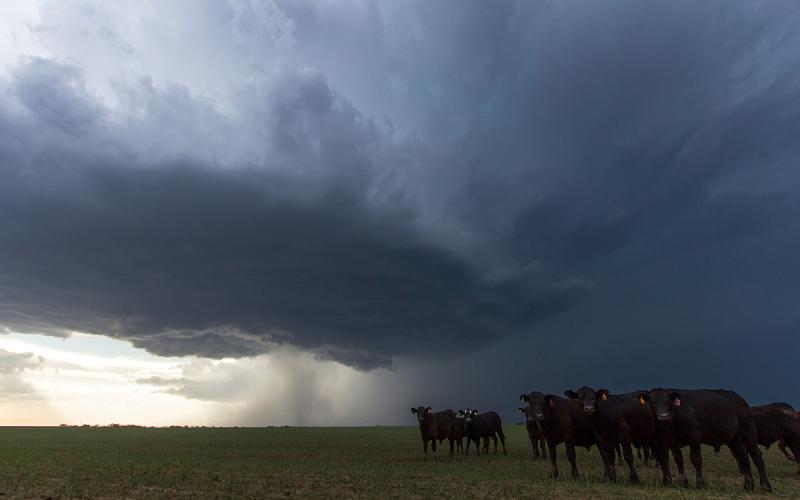
Bruising remains one of the leading causes of carcass trimming at harvest. While we can’t control the weather, proactive management can reduce performance losses and protect carcass quality.
Canning With Less Sugar
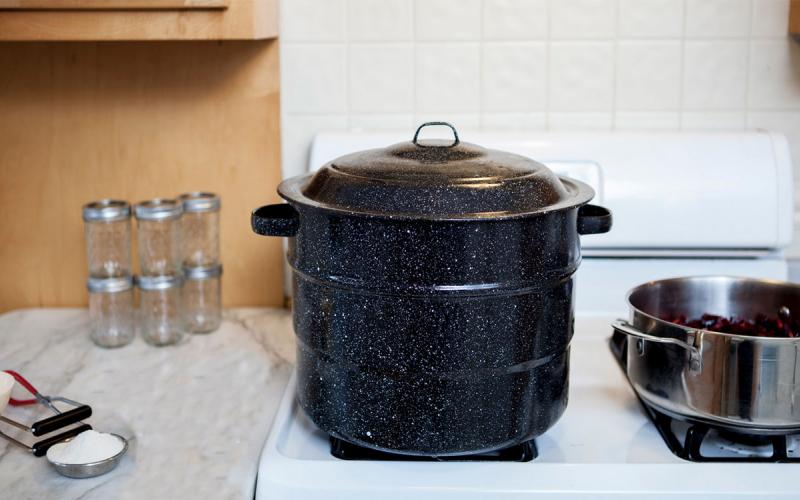
As low and no-added-sugar food products have become increasingly popular, new alternative canning recipes have been created. It is possible to preserve fruits with little or no added sugar, which is great for those who prefer reduced calories.
Vaccinating Early-Weaned Beef Calves
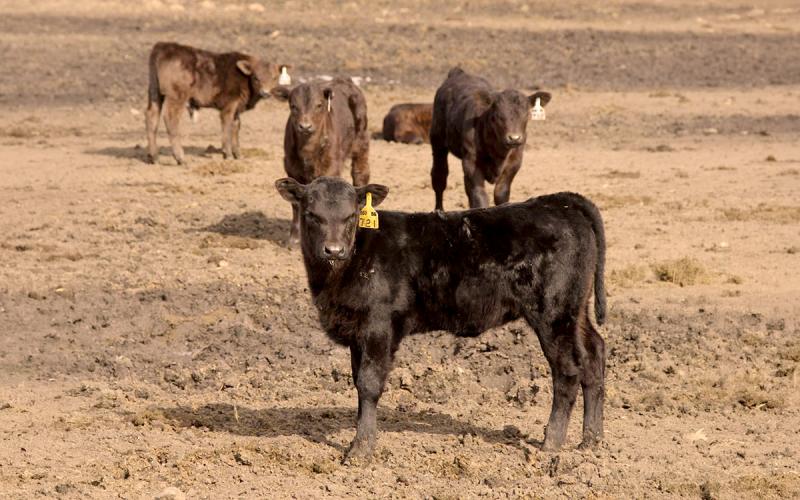
In most years, pre-weaning vaccinations are a task completed in early fall. However, in dry years, poor pasture conditions forcing producers to wean calves early may push up that timeline.
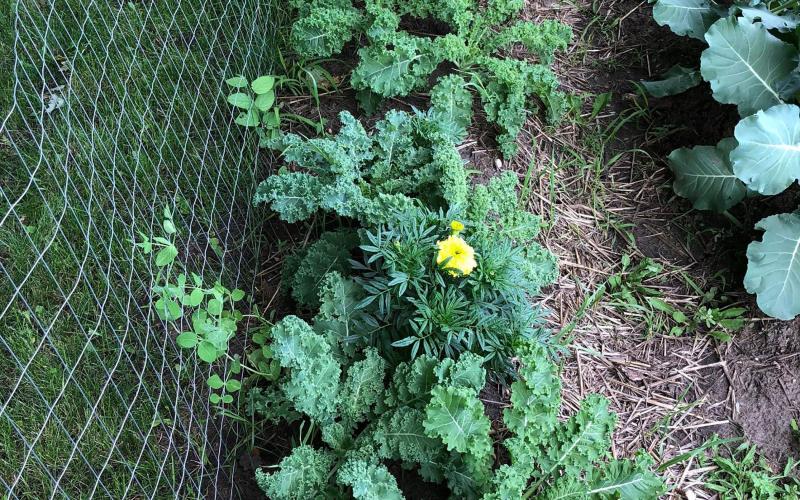
Organic Pest Control Methods
Integrated pest management is an environmentally conscious approach to managing insects, weeds and disease. By focusing on natural processes, growers use pest control methods beginning with the least toxic and amplifying the pest control needs gradually if problems persist.
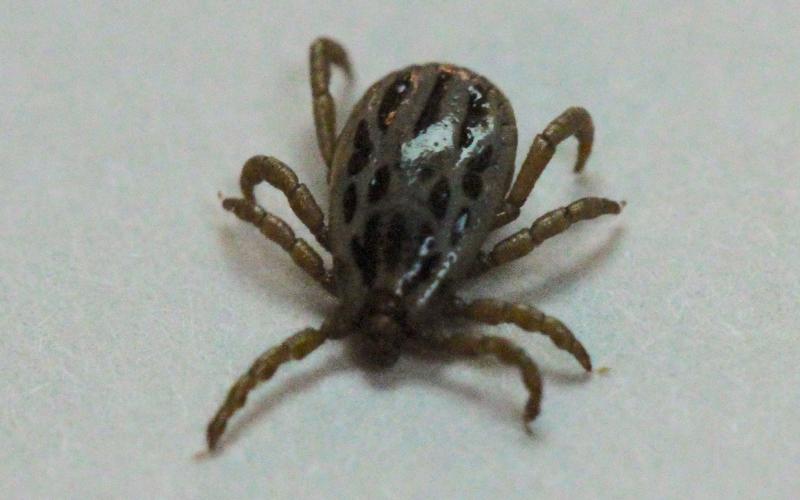
Winter Ticks in South Dakota
Winter ticks, also called moose ticks, are unlike other tick species because they are active during the winter months.
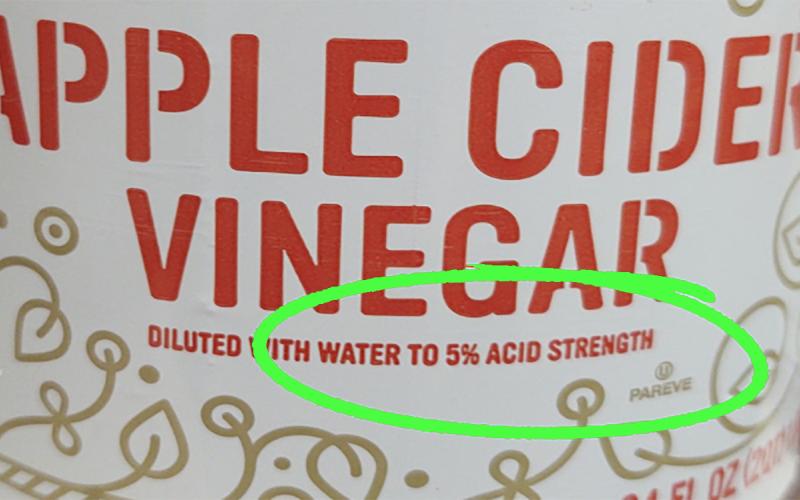
Safety Concern with Vinegar Acidity Level in Home Canning
There has been a rising concern regarding home canning and the use of 4% vinegar. Learn some important vinegar safety guidelines from the National Center for Home Food Preservation.
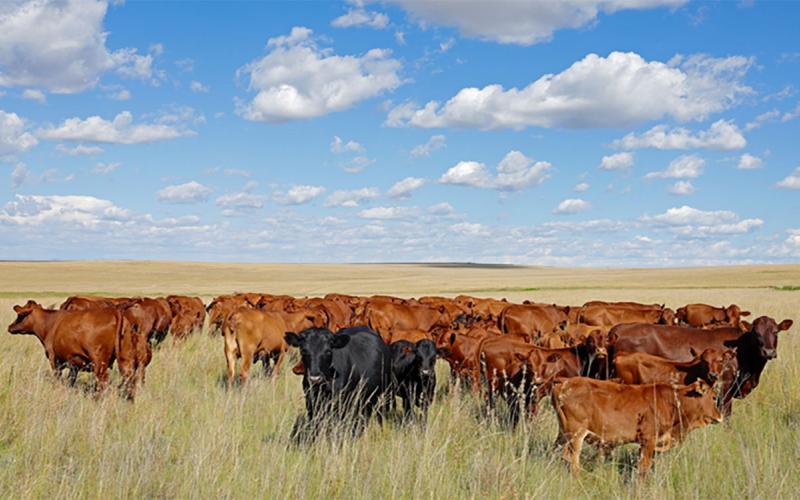
History and Current Value of the Range Beef Cow Symposium
In December 1969, four extension specialists from Colorado, Wyoming, Nebraska, and South Dakota developed a symposium to provide cutting edge information to beef cattle producers. Years later, this valuable tradition continues at the biennial Range Beef Cow Symposium.
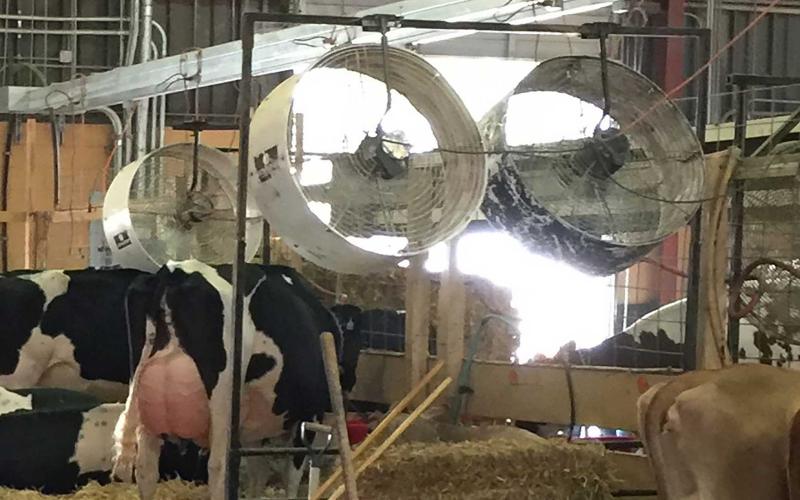
Combating Heat Stress in Lactating Dairy Cows
With summer temperatures and higher humidity levels upon us, dairy producers need enact their heat abatement strategies on farm for all livestock.