Search
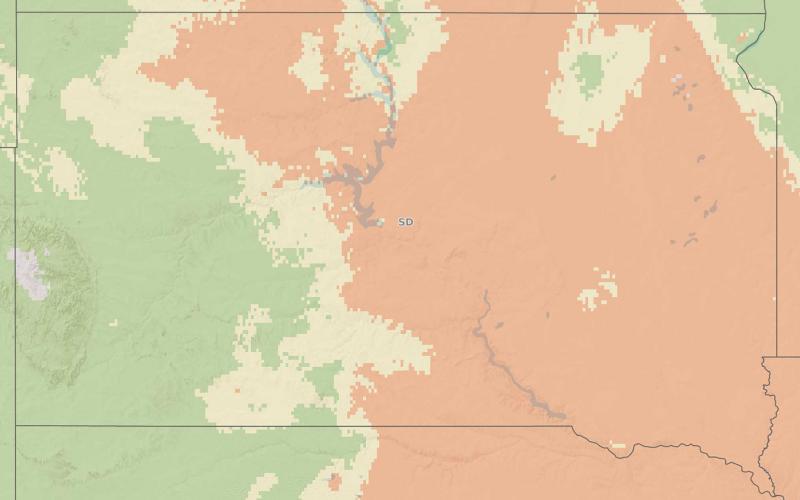
The Fusarium Head Blight Prediction Tool
The Fusarium head blight prediction tool, available through Penn State University and Mesonet at SDState, uses weather variables to predict the risk for Fusarium head blight in wheat.
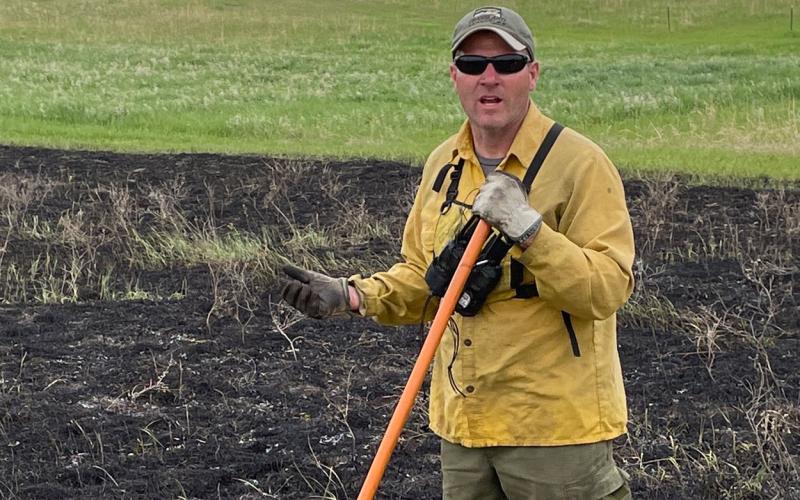
SDSU Extension Field Specialist Named Wildlife Professional of the Year
May 25, 2022
Pete Bauman, SDSU Extension Natural Resources and Wildlife Field Specialist, received the Wildlife Professional of the Year award from the South Dakota Chapter of The Wildlife Society at its annual meeting held March 3, 2022.
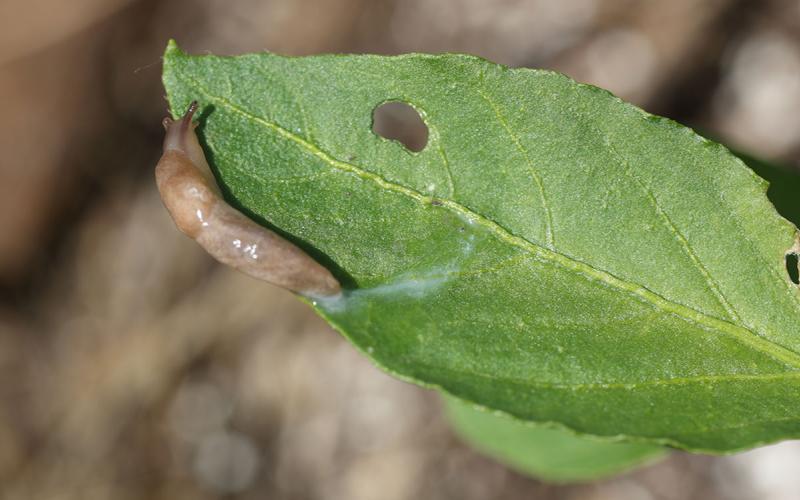
Slugs: The Slimy Defoliators
Have you noticed defoliation in your garden accompanied by distinct trails on plant leaves? The culprit could be slugs, a common pest that can be found during during cool, wet weather and in certain garden micro-climates.

SDSU Extension Releases Workforce Development Resources
October 24, 2022
SDSU Extension, in collaboration with Innovate SoDak and the Brookings Economic Development Corporation, has developed a workforce development course.
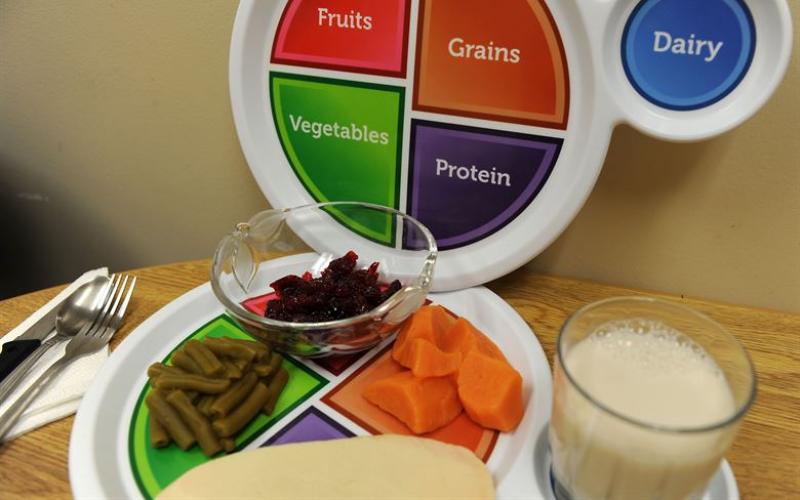
Portion Size: What It Means
Bigger is better, right? No, not necessarily, especially when discussing portions of your food.
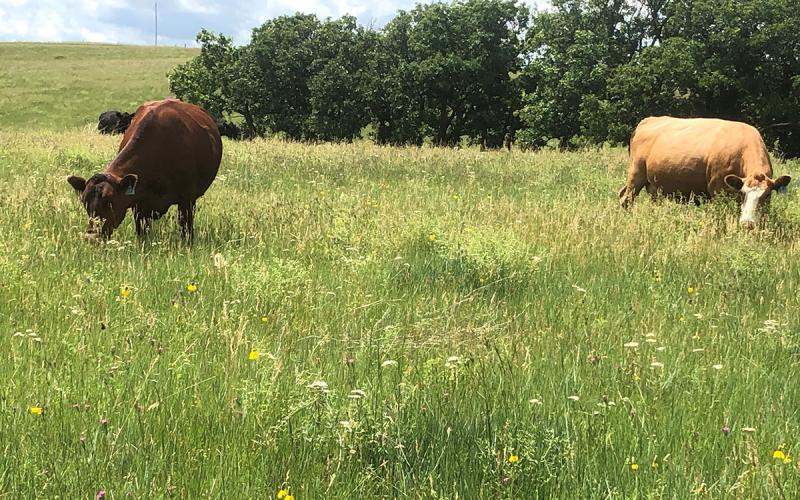
SDSU Extension hosts risk management webinar series
March 20, 2026
South Dakota State University Extension is hosting a series of free Strong Minds, Strong Farms webinars for anyone involved in agriculture.
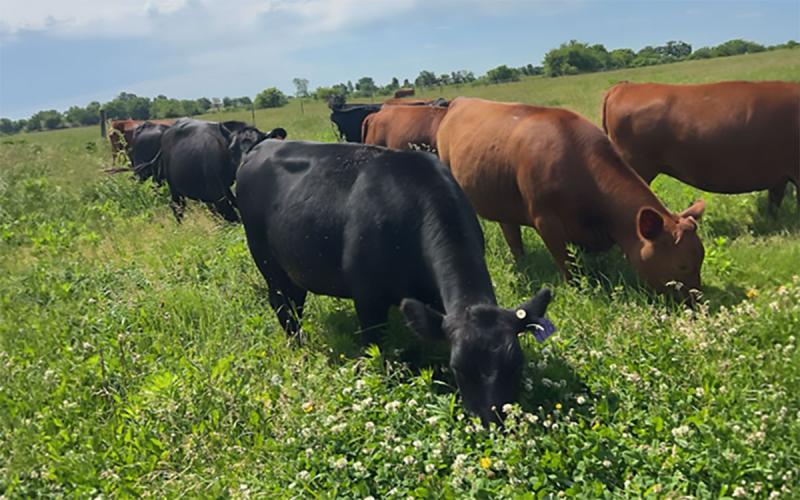
Cover Crop Grazing Windows for South Dakota Crop Rotations
This guide is intended for livestock producers and crop producers interested in integrating cover crop grazing into cash crop systems. Recommendations identify opportunities for both fall grazing of rapidly establishing annuals and spring grazing of overwintering species, helping extend grazing seasons, reduce harvested feed costs, and improve nutrient cycling within crop rotations.