Search
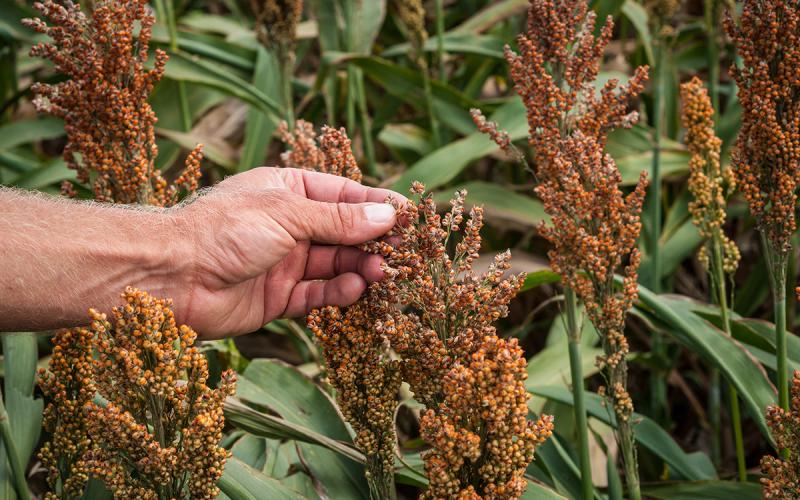
Replacing Corn With Milo in Cattle Diets
Corn is king when it comes to cattle diets, especially in the Corn Belt. However, that does not mean that corn grain is our only option. Milo (grain sorghum) can be a viable option under certain market conditions.
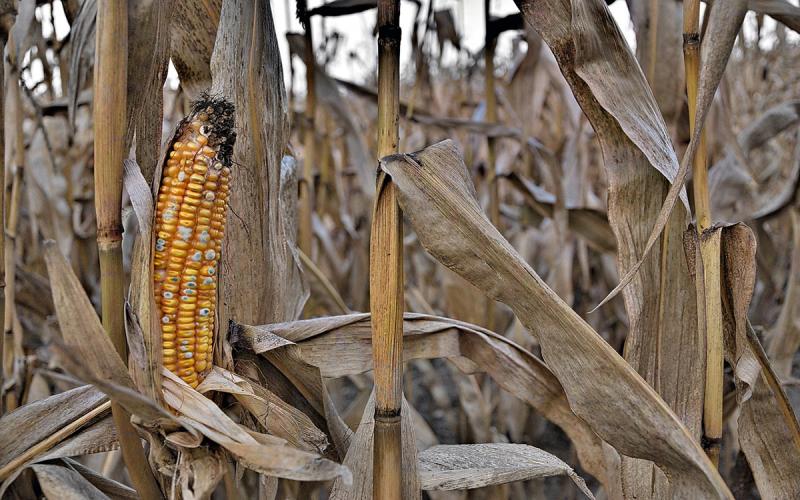
Mycotoxins: Should you be concerned?
Environmental stress caused by the weather or damaged crops increases the potential for mold and mycotoxin development. Learn some answers to common questions about mycotoxins and how to manage them.
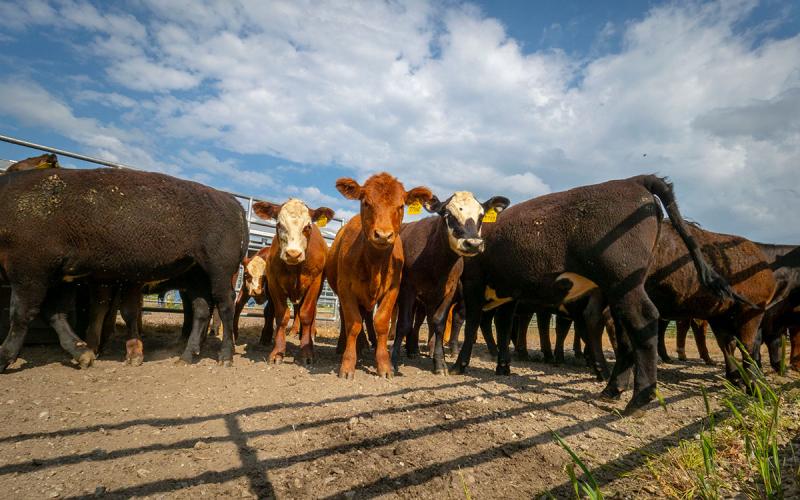
Crossbreeding Systems – Maximizing Heterosis & Profit
By using planned breed combinations, producers can improve traits like growth, reproduction, and overall herd performance, helping make better financial and management decisions.
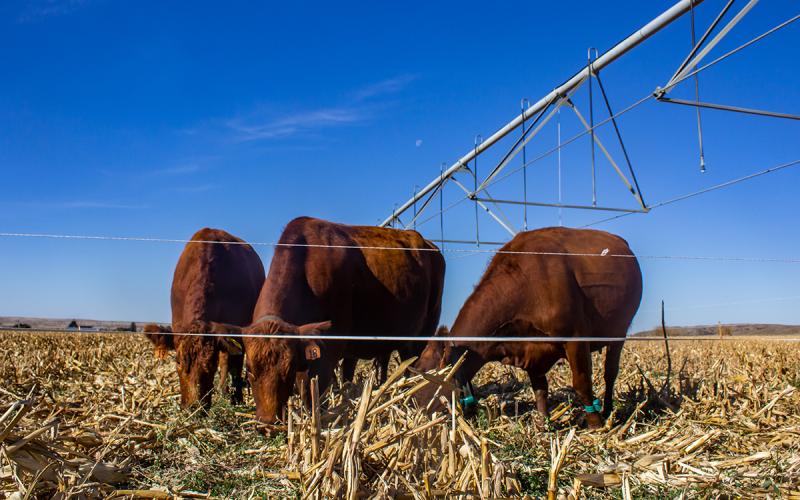
Stretch the Grazing Season by Grazing Corn Residue
Grazing corn residue can be an excellent strategy for stretching the grazing season. Learn some expert tips for making the most of corn residue before switching over to the feed tractor in the winter.

Macronutrients: Lipids
Macronutrients include carbohydrates, lipids, and proteins. This article explores lipids, which are more commonly known as fats and oils
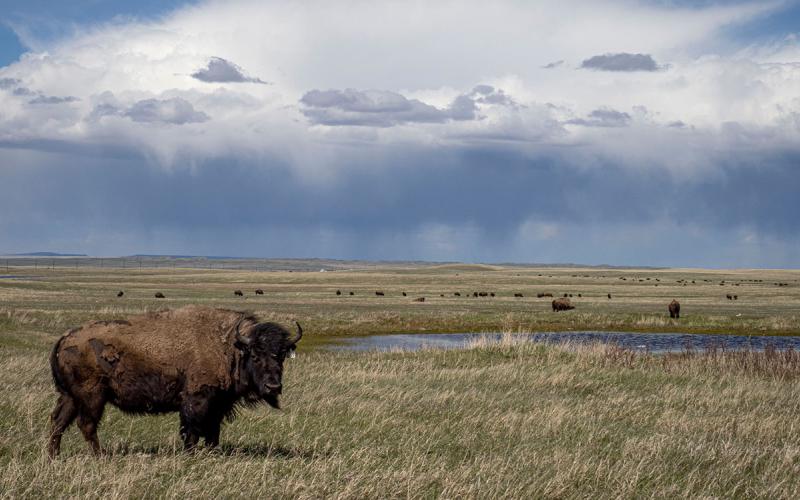
Decoding Bison: Refining the Bison Body Condition Score
Body condition scoring is an effective management tool as it allows managers to safely assess the health of their mature animals quickly and non-invasively.
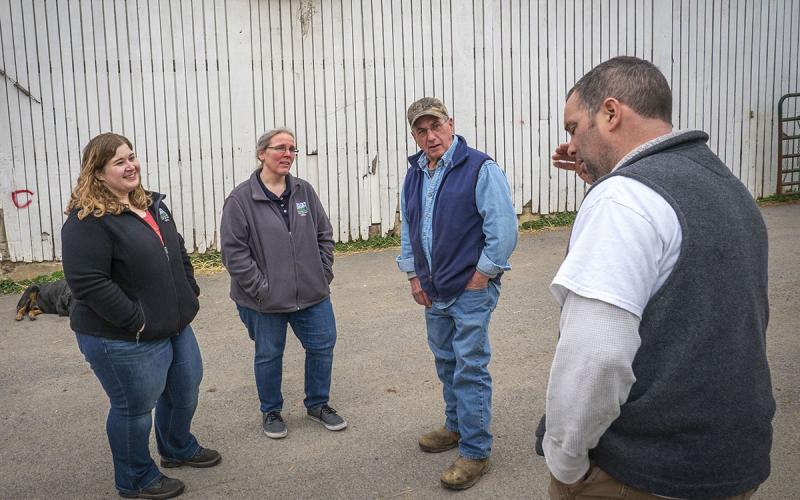
A Disaster-Ready Strategy for Cattle Operations
Cattle producers can minimize risk and maximize resilience. Having a written emergency action plan and routine exercise of the plan helps ensure animal welfare and business continuity.
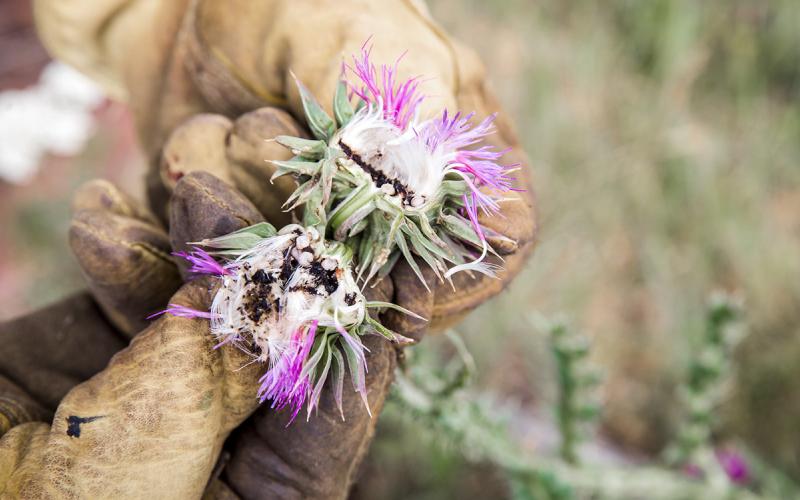
Now is the Time to Plan for Noxious Weed Control in 2026
Most of South Dakota experienced first frosts that were delayed by at least one month, allowing for noxious weed growth to continue later in the season. Now is the time to plan for noxious weed management tactics.
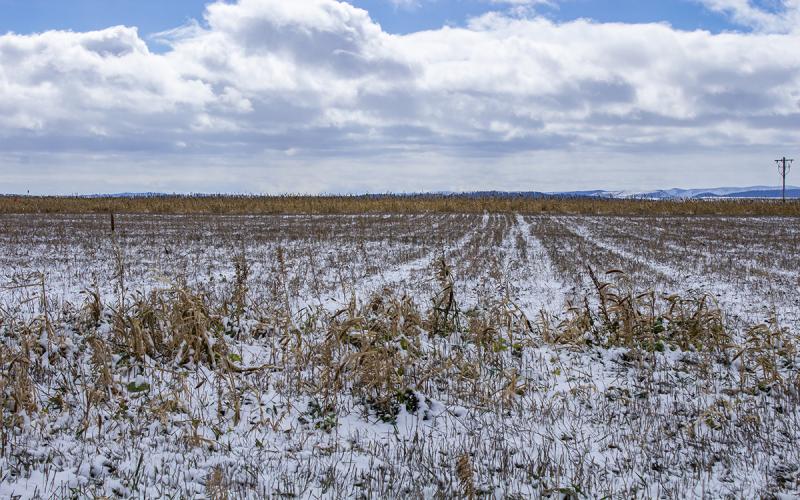
Now is the Time to Prepare Your Weed Management Plan for the 2026 Growing Season
As harvest season comes to an end, now is the time to start formulating your weed management plan for next year. Learn some expert tips for getting your operation off to a good start this coming growing season.
Private Applicator Training for Pesticides
Private applicator certification is required before an agricultural producer can purchase or use a restricted use pesticide.