Search

SDSU Extension Welcomes New Assistant Professor and SDSU Extension Nutrition and Health Specialist
November 15, 2022
SDSU Extension is excited to welcome Graham (Geb) Bastian as a new Assistant Professor and SDSU Extension Nutrition and Health Specialist.
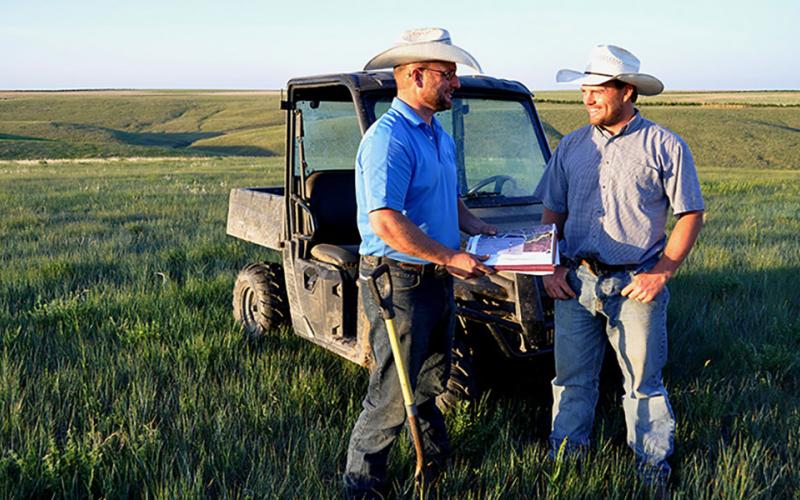
The Importance of Math in the Art of Grazing
It might seem a bit silly to check in on your stocking rate calculations, but it is something that is undoubtedly worth your time, whether you’re a seasoned rancher or you’re still trying to get your feet under you.
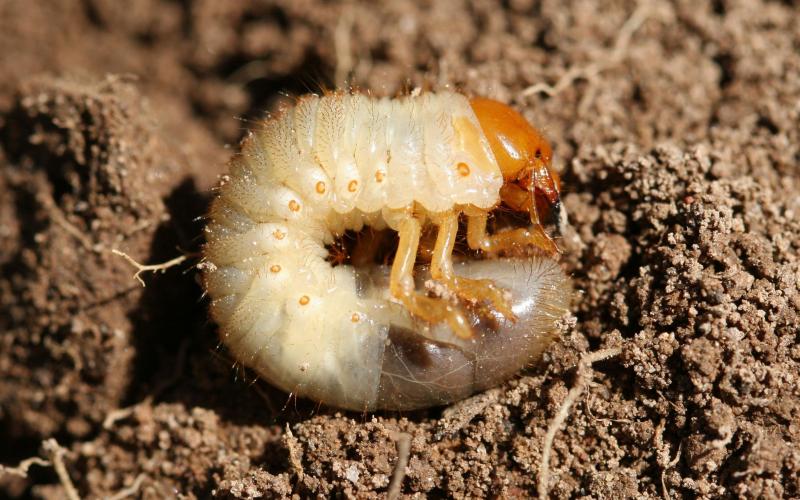
Do You Have Grubs in Your Lawn?
We’ve had quite a few calls about dead patches in lawns this spring, which could be a sign of grub activity. If areas of your lawn are not greening up or appear to be dying, it is important to scout to determine if grubs are present.
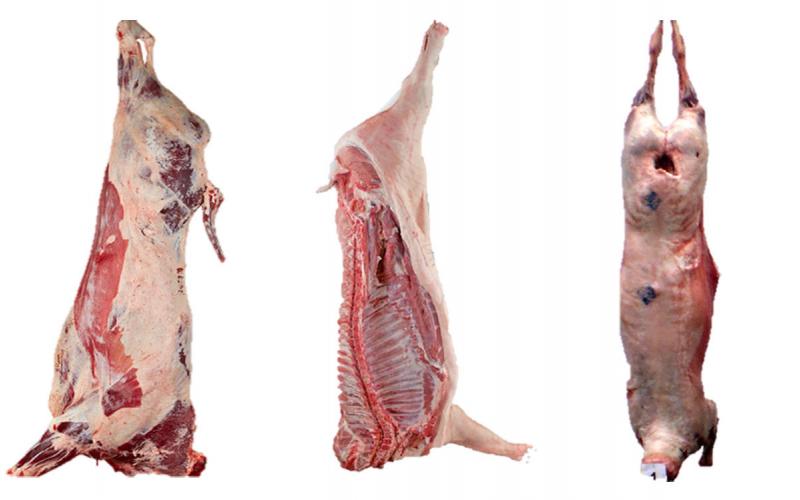
Guide for Purchasing Freezer Beef, Pork and Lamb
Purchasing meat directly from farmers and ranchers has become a prominent consumer trend. This article focuses on purchasing a beef animal, pig or lamb to stock your freezer.
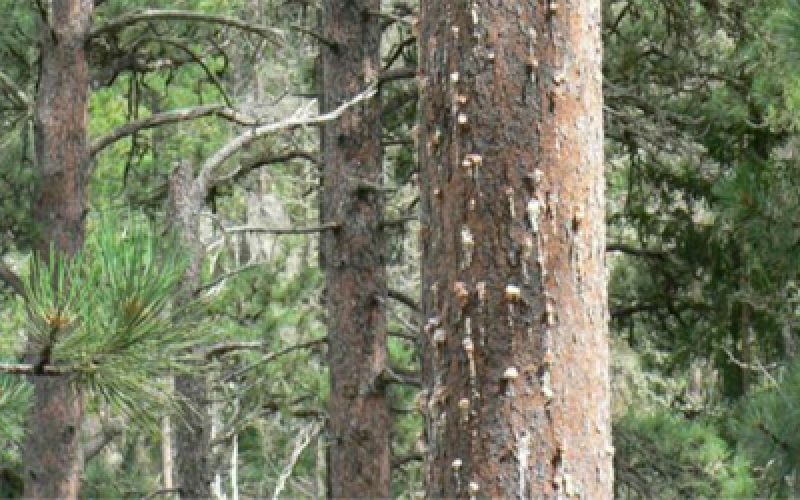
Insecticides for Protecting Pine Trees from Mountain Pine Beetle
There are no effective systemic pesticide treatments that will kill mountain pine beetle larvae inside the tree or adults as they emerge from an infested tree. Pesticide treatments are limited to protecting trees from becoming infested. These treatments are applied to the bark to kill the adult beetles as they land on the trunk and begin to burrow into the tree. This method of protection is highly effective and if the pesticides are applied at right time, losses may be as few as one or two trees for every hundred trees treated. However, only trees that are not infested should be treated. If a tree is already infested, pesticide application will not prevent the beetles from emerging and infested other trees.

Keep Moving This Holiday Season
As we transition into the busy holiday season, it can be challenging to stay active. However, staying physically active during the winter months is just as important as any other time of the year.
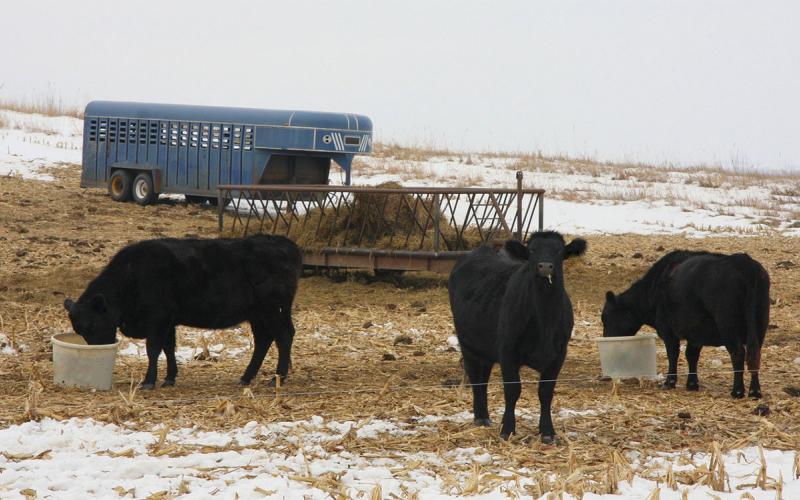
Supplementing Cows on Crop Residue
During winter, it is a common practice to have cows graze crop residue. This helps reduce the amount of forage needed to maintain a cow for part of the year, while reducing annual feed costs. However, cows may eventually need supplementation when grazing crop residues.
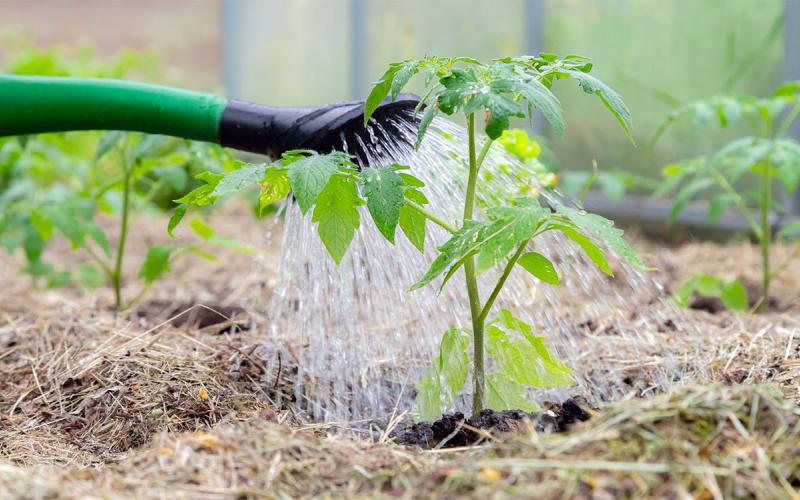
Weed Control in No-Till Gardens
Mulch is the key to successful weed control in no-till gardening. It is best to start a no-till garden in the fall to give applied mulch the time to breakdown and suppress any weed growth.
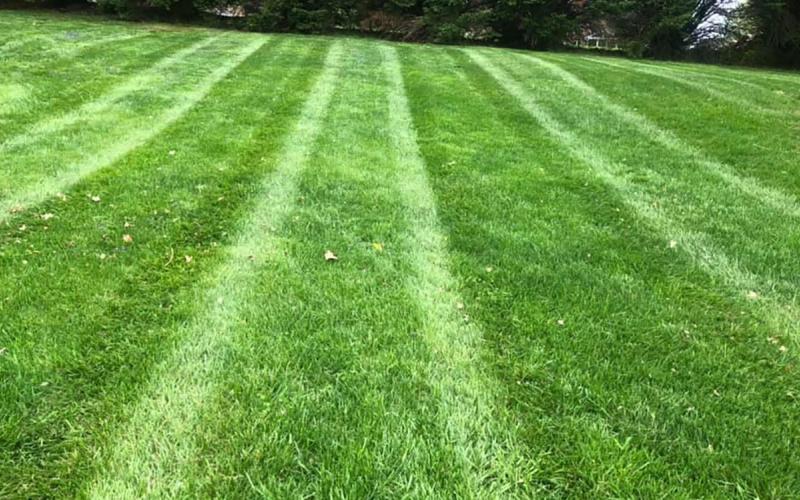
Use Caution With Turf Herbicide Applications During Extreme Heat and Drought
Dry conditions cause weeds to be under stress. This decreases herbicide effectiveness with annual, biannual and perennial plants. So, is there a safe option for weed control in yards during high temperatures and dry conditions?
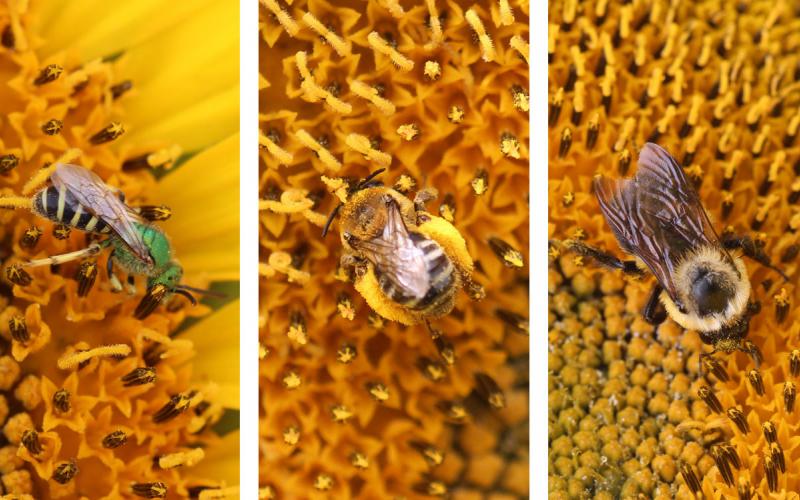
Pollinators Are Active in Sunflower
While scouting sunflowers, it’s hard to not notice the constant buzzing present in the field, which is produced by numerous species of bees. While sunflower varieties grown in the United States were bred for self-fertility, there is evidence that both honey bees and native wild bees can improve pollination.