Search
Impact
SDSU Extension meets the changing needs of South Dakotans with progressive outreach services, ranging from one-on-one interaction and forums to 24/7 online access through extension.sdstate.edu.

Decisions for Farmers Market Setup and Operation
Farmers markets are unique because they represent multiple, individual vendors under a single name, location and organizational identity. Before the first selling day, a farmers market will need to do many of the things that each vendor does for their farm. For example, selecting a name and creating a logo for the market.
Cow Mineral Nutrition During Late Gestation
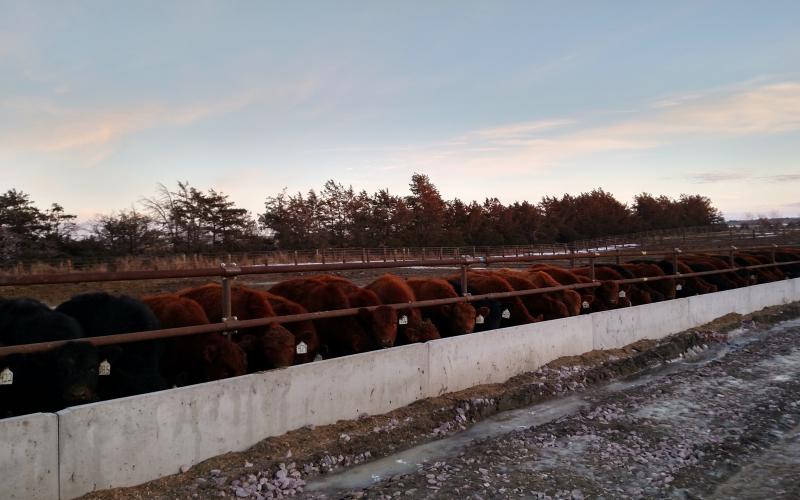
A recent study conducted at Oregon State University researched trace mineral nutrition of cows during the last 95 days of pregnancy and the resulting impact on their calves.

Homeowner’s Insurance: Getting the coverage you need in changing times
Have you noticed more extreme weather events in recent years? Learn how can you protect your home in the event of an unexpected natural disaster through home insurance coverage that fits your family's needs.
Effects of Late Spring Frost on Alfalfa
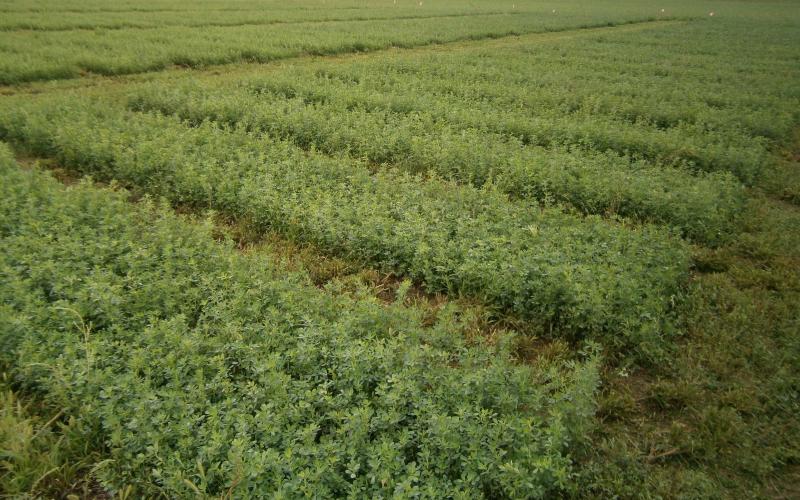
Forage research indicates that, although alfalfa is considered to have good cold temperature tolerance, minor frost damage may occur when plants are exposed to air temperatures slightly below freezing for several hours, and more severe damage will be seen when temperatures drop below 25°F for four or more hours.
2021 Beef Cow Synchronization Protocols
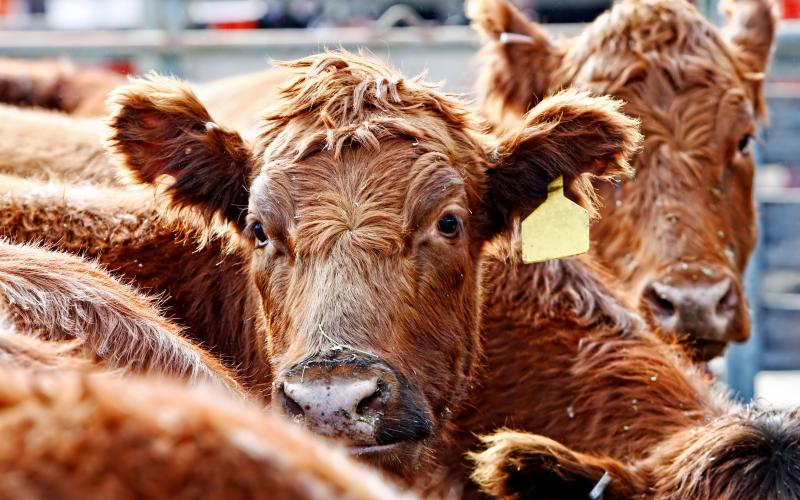
The Beef Reproduction Task Force has developed recommended synchronization protocols for producers that will provide optimal pregnancy rates based on research and field use for both conventional and sexed (gender-selected) semen.
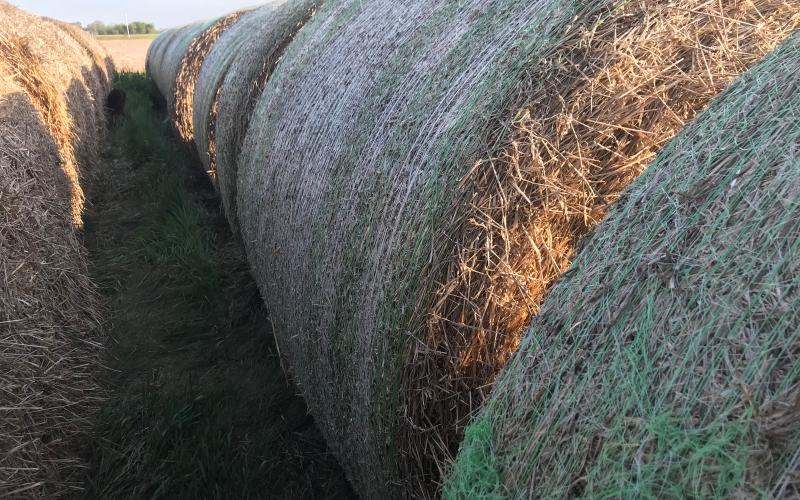
Learn about forage rye, livestock feed at Northern Plains Forage Association annual meeting
November 06, 2024
South Dakota State University Extension encourages producers to attend the Northern Plains Forage Association annual meeting and seminars, which will feature forage-related education and research.
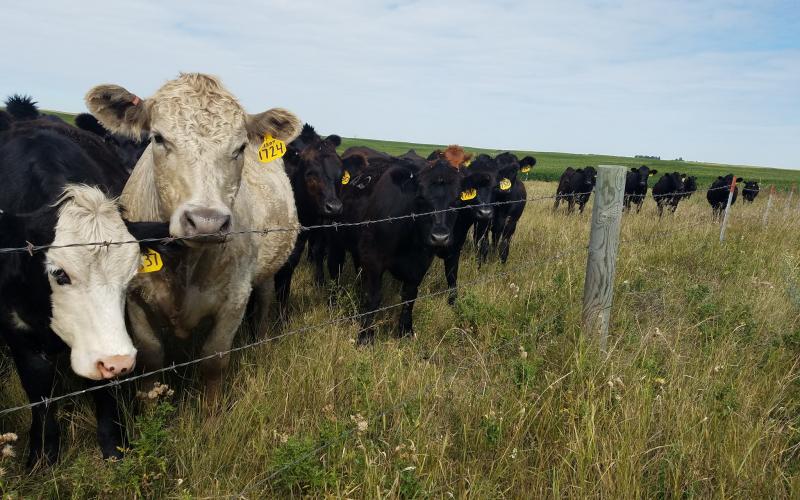
Cows Eat Weeds
By utilizing grazing as a means of cultural control, producers have the potential to decrease input expenses while reaping the benefits of inexpensive weed control through animal nutrition.
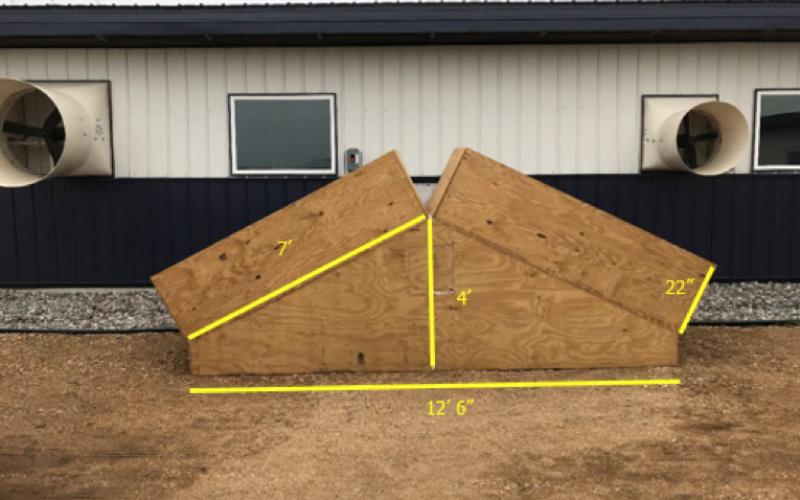
Slanted Bed Biofilter Construction: Lessons learned at the SDSU wean-finish unit
This article outlines the design considerations and cost to construct a slanted bed biofilter for a pit fan on the new South Dakota State University Swine Education and Research Facility wean-finish unit.

What is This Fruit… And is it Edible?
In mid- to late-summer, we often get the questions: “What kind of fruit is this?” and “Is it edible?” To identify a fruit, it is helpful to know both plant and fruit characteristics: Woody or herbaceous plant? Vining or upright? Do the leaves attach to the stem opposite each other (i.e., paired), or do they alternate from one side of the stem to the other? What size and color are the fruit? Is each fruit’s stem attached directly to the twig, or are they in a cluster that attaches to the twig? And, one question I find often helpful in distinguishing among smaller fruits, does it have a single pit, or are there several seed in each fruit?