Search

Ruth Beck to Retire from SDSU Extension Agronomy Team
October 12, 2021
After 17 years providing education and service to South Dakota growers and agribusiness professionals, SDSU Extension Agronomy Field Specialist Ruth Beck has announced her retirement.
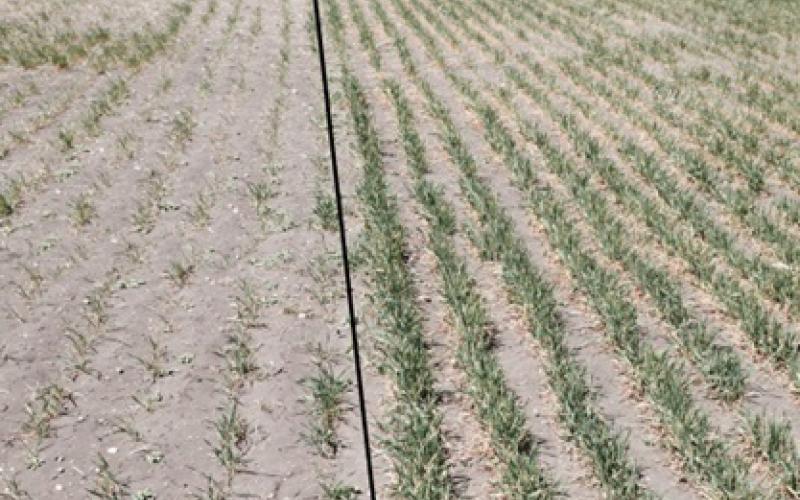
The Difficulty in Winter Wheat Stand Assessments
From freak snow storms to sub-zero temperatures and on to a recent lack of moisture and a cool spring, the climate in South Dakota has left many winter wheat growers and agronomists wondering about the health of their stands.
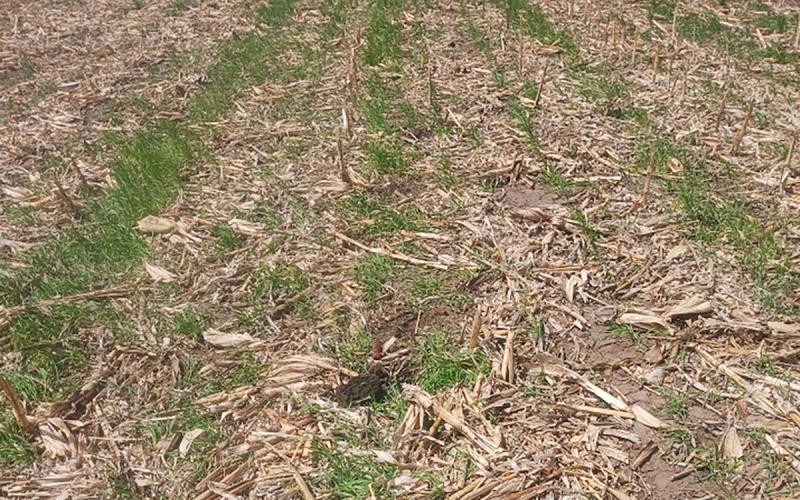
Effects of Different Cereal Rye and Winter Camelina Seeding Rates on Biomass Production and Soil Properties When Broadcast Seeded
Benefits to soil health generally increase as cover crop biomass production increases. Recent research sought to determine how the seeding rate of two cover crop species and mixtures affected biomass production and some soil health indicators.
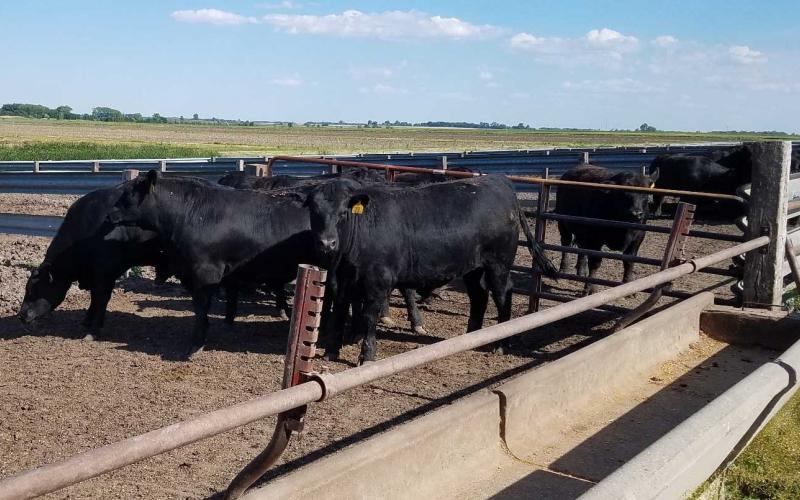
Virtual Feedlot Shortcourse to Begin July 16
August 10, 2020
SDSU Extension will commence its seven-week virtual feedlot shortcourse starting on July 16. The program is scheduled to run each Thursday at 12:30 p.m. CDT from July 16 through August 27.
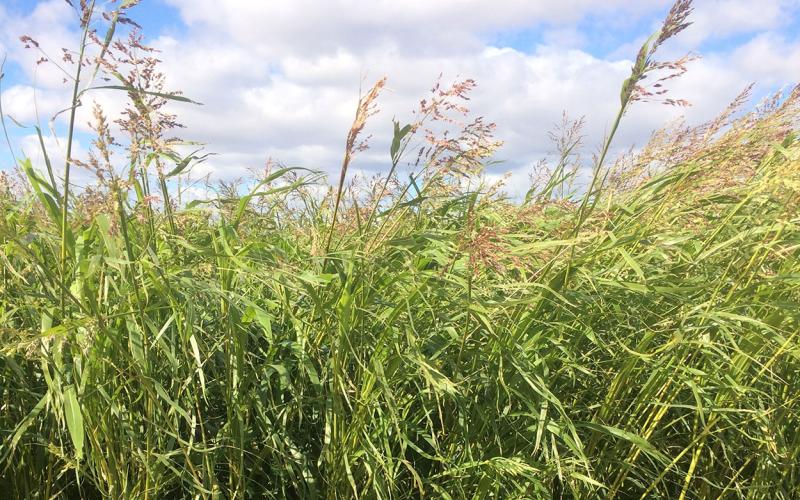
Using Annual Cover Crops and Forages in Lieu of Row Crops
Although there are many factors to take into consideration, annual forages and cover crops can be an excellent tool to mitigate challenging planting seasons.

Long-Term Care Planning
From assisted living to home health, learn some important tips for deciding which long-term care options best fit the needs and budget of your loved ones in their later years.

SDSU Extension hosts 5th annual Specialty Crop Field Day
July 24, 2025
South Dakota State University Extension is pleased to announce its fifth annual Specialty Crop Field Day at the SDSU campus in Brookings.
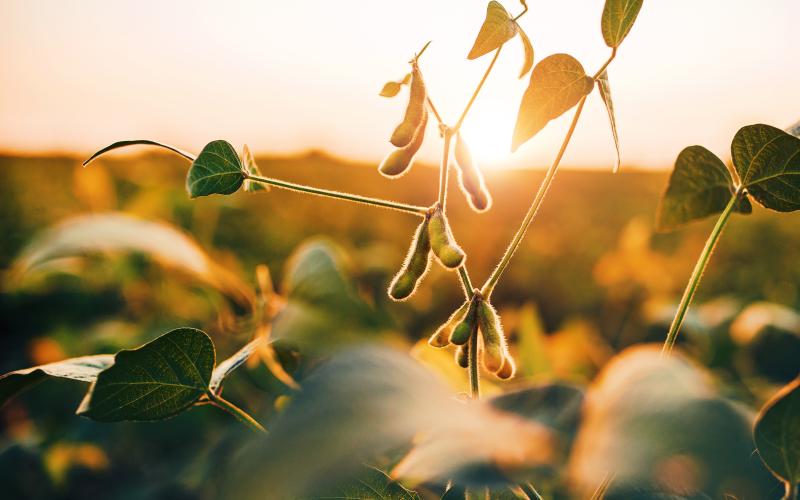
2018 Field Plot Summaries for Soybeans: Plant Disease and Fungicide Trials
This is a summary of soybean field research studies that were conducted in 2018. The purpose of these studies was to assess efficacies of fungicides for foliar disease management and nematicides/seed treatment products for nematode management. The studies were conducted on growers’ land in Brookings and Volga Research Farm.
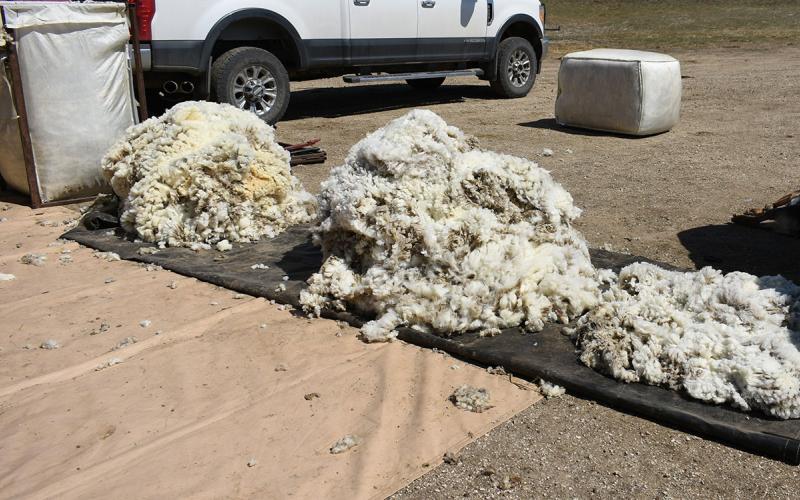
Considerations for Increasing Wool Value
The wool market continually rewards those who emphasize high-quality production. Efforts to increase wool clip value can be made through regular management practices and proper wool clip preparation at shearing.

Farm to (More Than) School
Opportunities for local food procurement go beyond just school lunch! Learn about several child nutrition programs and settings that may accept local foods.