Search
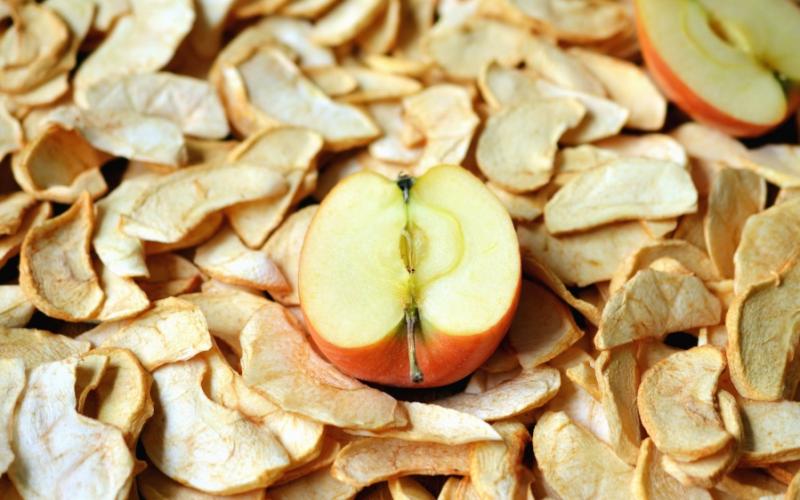
Extend the Life of Your Produce: Dry Your Food!
Drying or dehydrating gives you the ability to extend the life of your fresh foods to enjoy later.
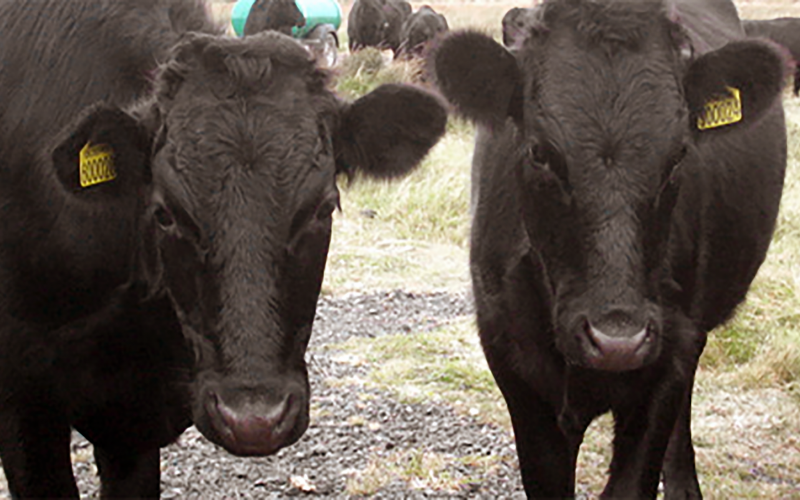
Heifer Selection Strategies
Producers should consider some common characteristics and questions to help select replacement heifers strategically.
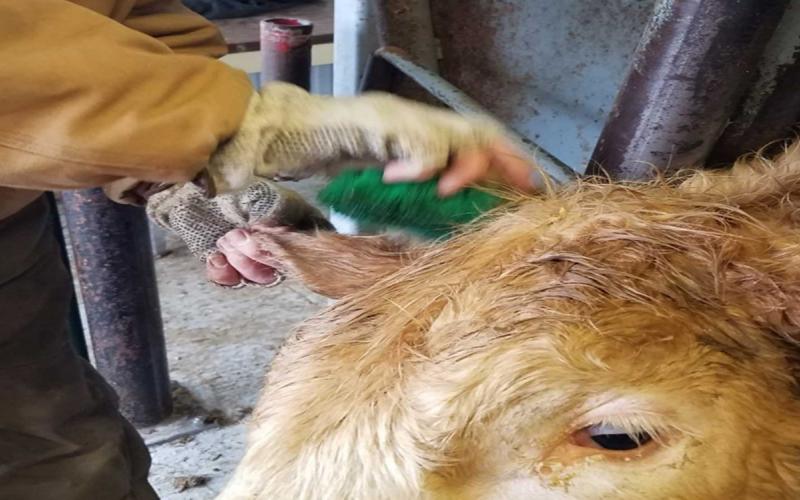
Getting Implant Application Correct
How would you like to make a few thousand dollars per hour? When cattle backgrounders and feeders use growth promoting implants correctly, those returns are not a pipe dream. The key is administering the implant correctly.
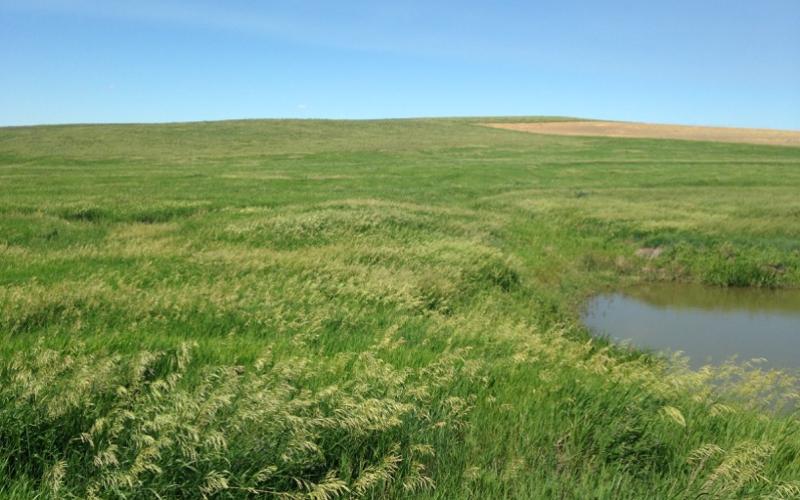
Smooth Bromegrass Grazing Management
Smooth bromegrass is a cool-season introduced grass with an advanced root system that tolerates temperature extremes and drought exceptionally well.
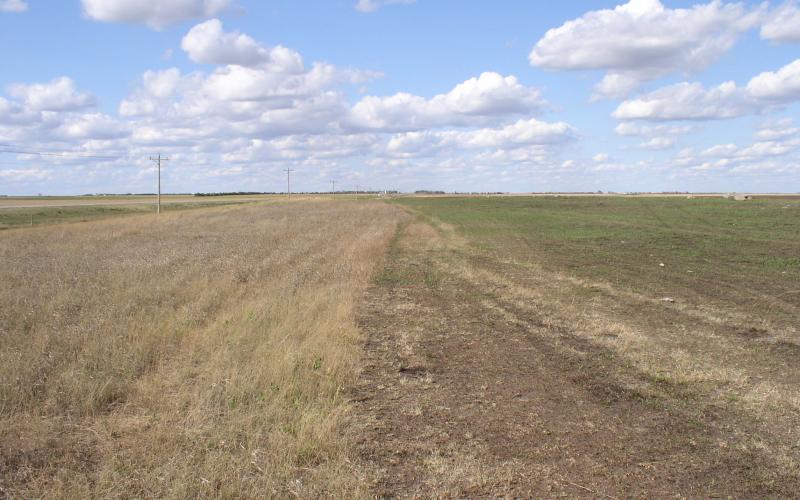
Management for Recovery of Rangeland After Wildfire
Because fire is a natural component of Northern Great Plains grassland ecosystems, prairie vegetation is very well adapted to recover following a fire.
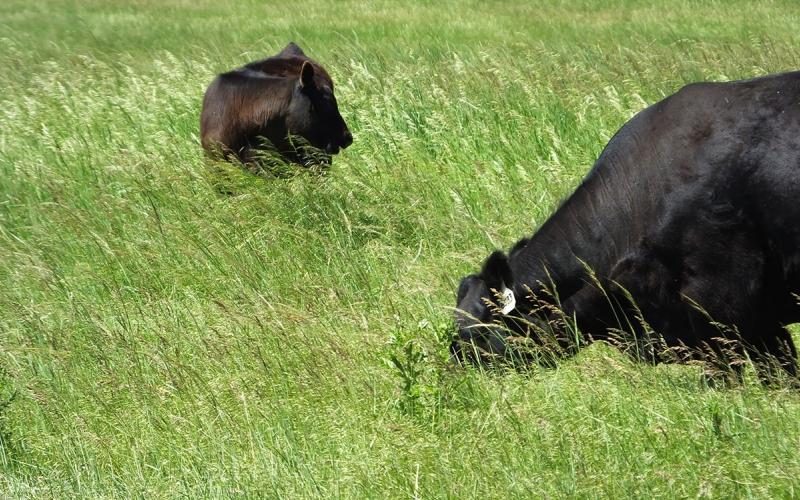
Grass-Fed Beef: Understanding Terminology in Conventionally Raised Beef and Grass-Fed Beef
What makes grass-fed beef different from conventionally raised beef? This is perhaps the most-common and sometimes most-complex question that arises amongst those hoping to understand the similarities and differences between conventional and grass-fed beef.
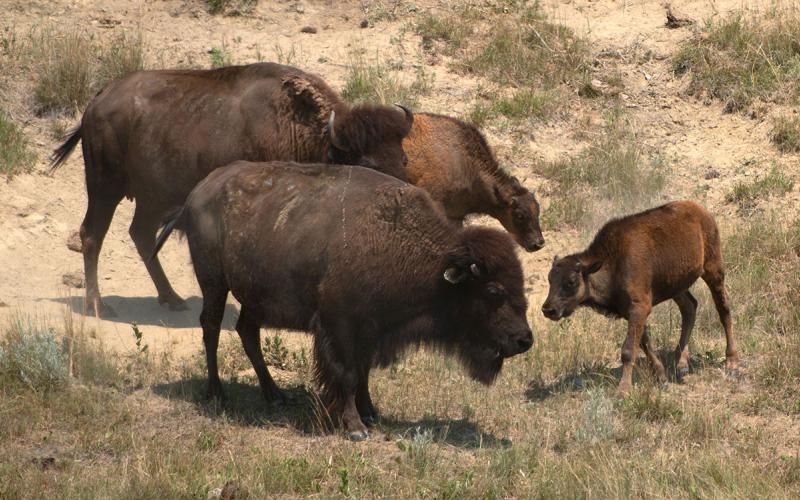
Goldilocks and Bison Carcass Size Considerations
Many are familiar with the story of Goldilocks and the three bears, where Goldilocks tries to find a bed that's not too hard, nor too soft, but “just right.” Learn how this same concept can help producers find a carcass size that's "just right" for bison processing.

Credibility: The Foundation of Leadership
Research has shown that credibility is the foundation of leadership.
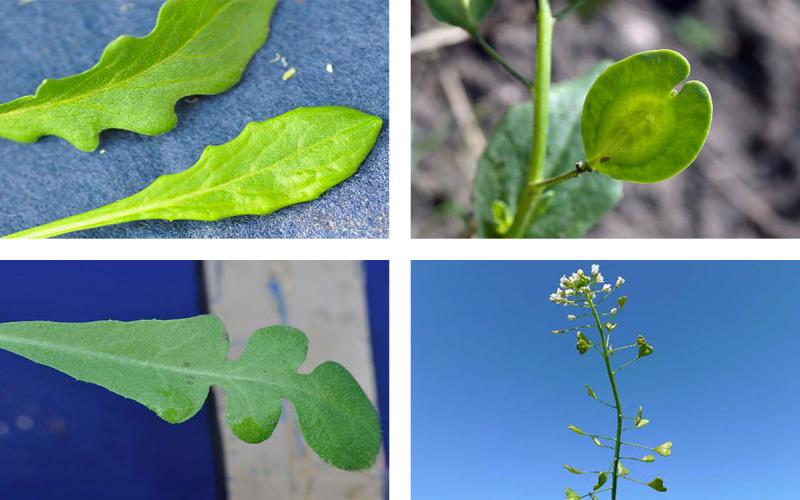
Early Season Prevalence of Field Pennycress and Shepherd’s Purse
Many fields that are planted to winter wheat or have yet to be tilled may have a healthy infestation of field pennycress or shepherd’s purse. Learn some expert tips for identifying and managing these weeds before they become a problem this growing season.
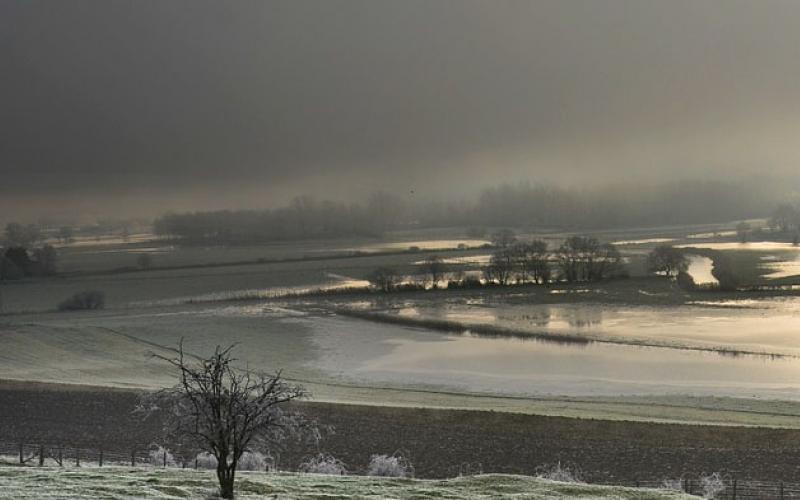
Implications of Excessive Soil Moisture for Disease Development in Winter Wheat
Although it is too early to start thinking about disease issues in winter wheat at this time, current flooding in some areas may have implications on diseases that may develop on winter wheat.