Search
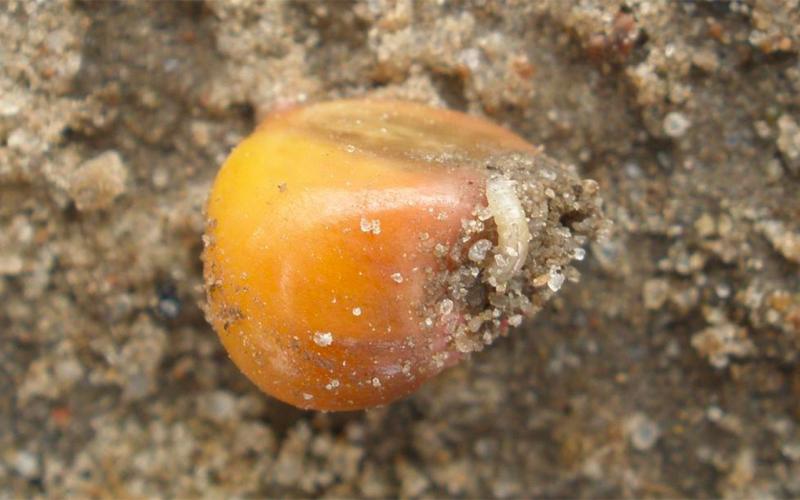
Seedcorn Maggot Degree Day Activity Estimates: June 3, 2021
We are currently between the second and third generation peak emergences in South Dakota. Seedcorn maggot management must be done before planting, or the populations can be avoided by not planting during times of peak emergence.

Body Mass Index Explained
We have all likely heard of measuring health through calculating body mass index. Body mass index is a ratio of your weight to height and a screening method used to determine a person’s weight category.
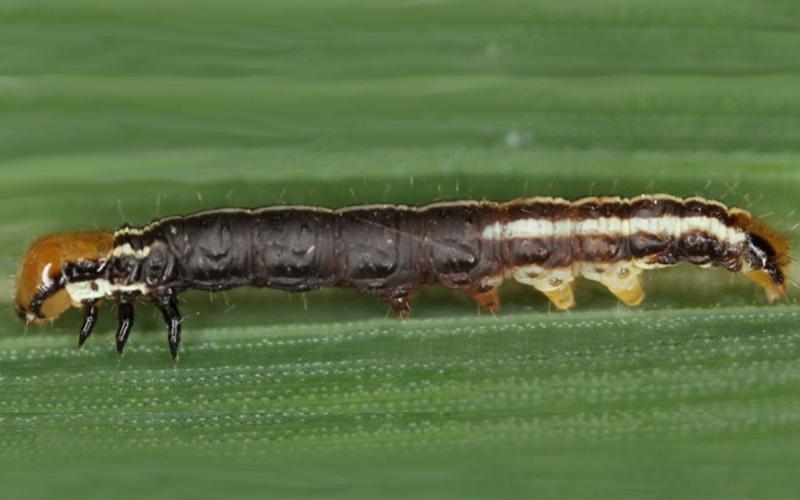
Common Stalk Borer Activity Estimate: June 10, 2021
The hot temperatures last week have resulted in a large increase in degree days for common stalk borer. Common stalk borers should now be scouted for in areas around Hot Springs, Lemmon, Mission, Pierre, Winner, Huron, Mitchell, Tyndall, Sisseton and Vermillion.
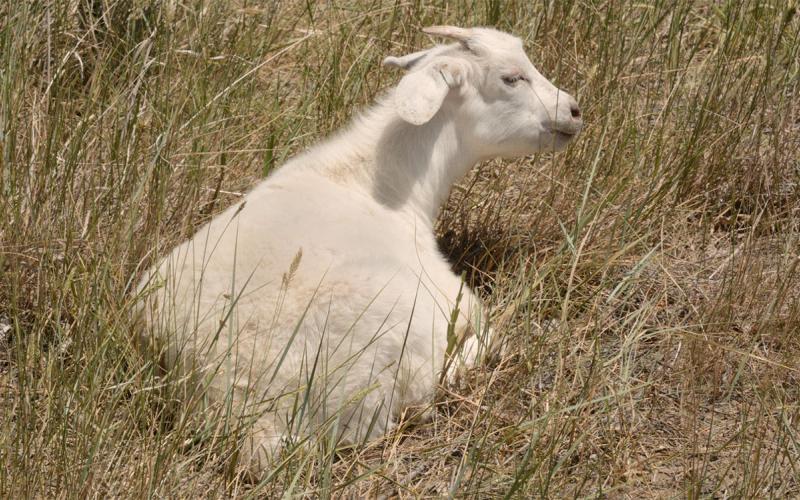
Heat Stress in Small Ruminants
The Upper Midwest provides periods of extreme heat during summer and shorter periods of heat stress potential during spring and fall. Are your sheep and goats cool enough in their environment?
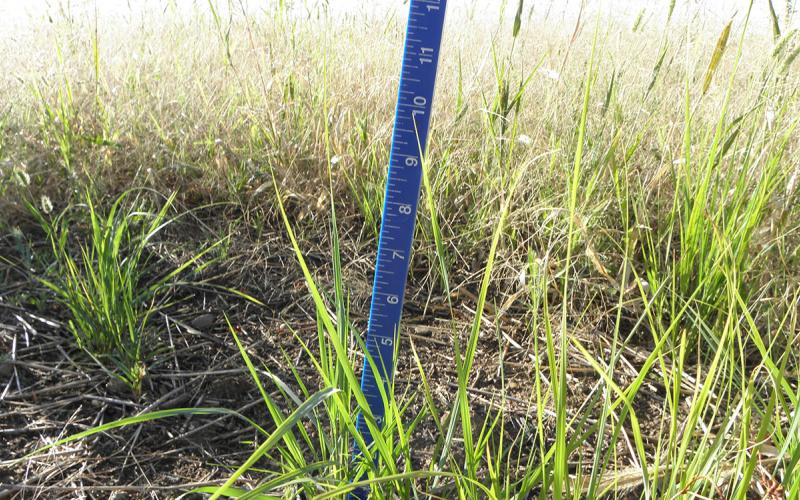
Measuring Grassland Production
Assessing pasture forage production is a key step in planning harvest strategies and can also inform the manager on the status of wildlife habitat or other grassland values.
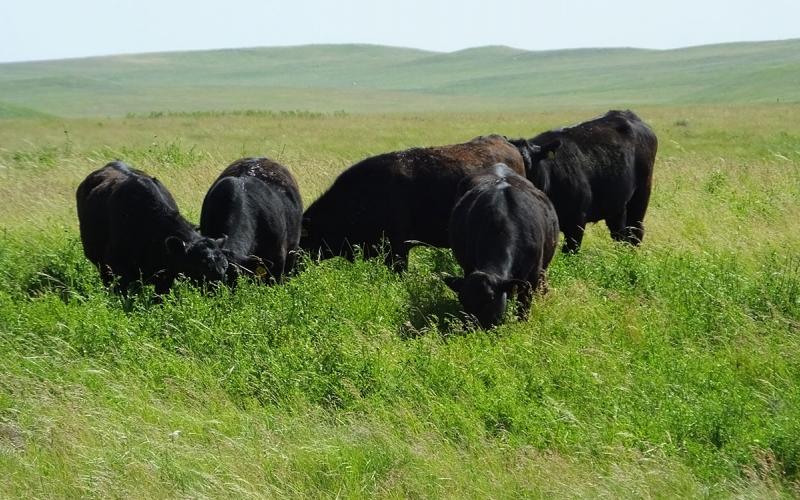
Estimating Livestock Consumption
When planning a grazing strategy, it is important to carefully assess goals and objectives and then match those goals and objectives with the appropriate livestock. It is critical that the manager understand that not all livestock are created equal.
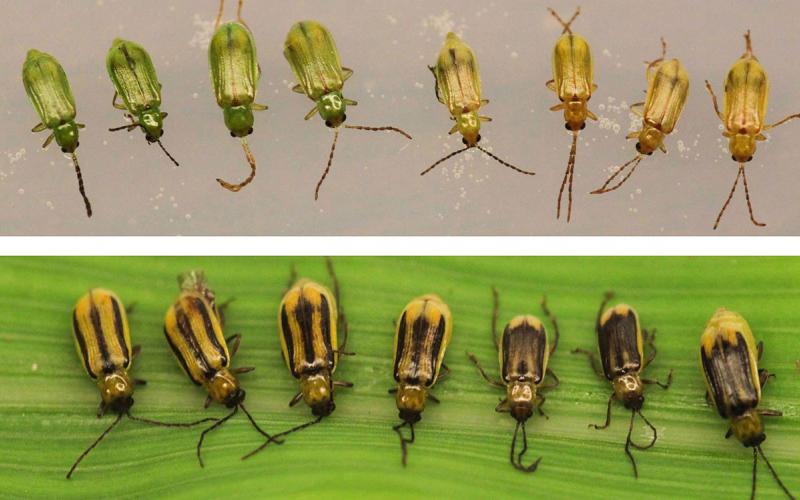
Corn Rootworm Egg Hatch Estimates
Corn rootworms overwinter in the soil as eggs and hatch in the spring when enough soil degree days have been accumulated. Based on soil degree day accumulations, most of South Dakota has reached 50% corn rootworm egg hatch.
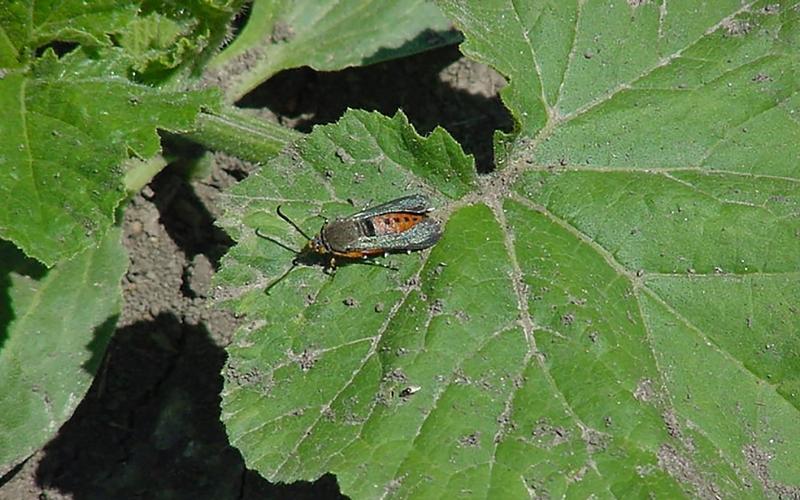
Squash Vine Borers Ramping up in South Dakota
Last week squash vine borer moths were observed in South Dakota. For this reason, it is important to scout for the moths as well as eggs on the stems of zucchini, squash, pumpkins and related produce.
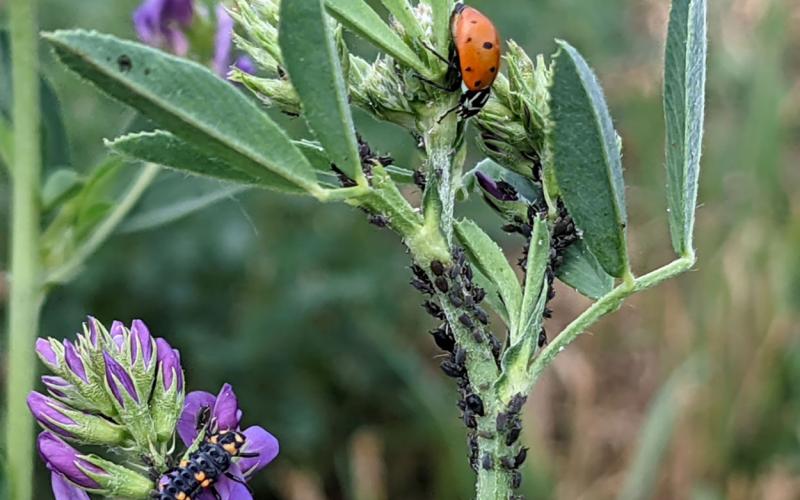
Cowpea Aphids Infesting Alfalfa
Typically, we worry about pea aphids in alfalfa. However, we noticed that cowpea aphids were present on alfalfa this week. If left unmanaged, cowpea aphids can stunt alfalfa, reduce yields and even kill the plants during severe infestations.
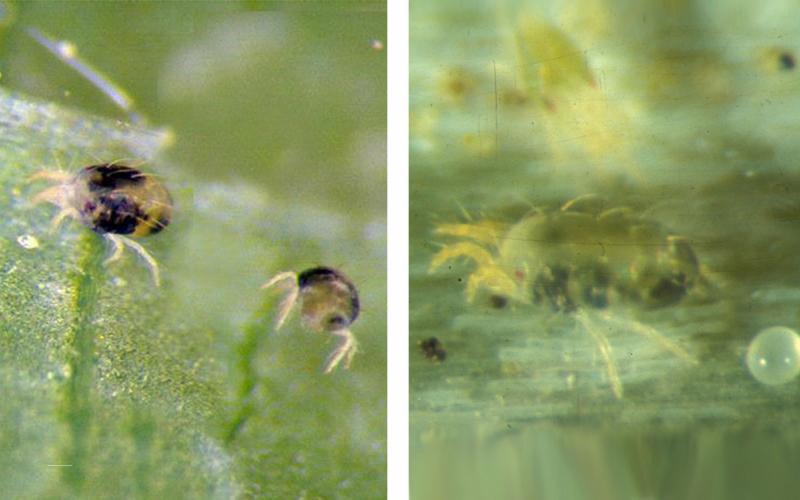
Spider Mites Reported in South Dakota Crops
With drought conditions continuing in South Dakota, it isn’t surprising that two-spotted spider mite infestations are being reported throughout the state. With hot temperatures in the forecast and limited chances for precipitation, we can expect spider mite populations to thrive in infested fields.