Search

The Growing Threat of Cyber Attacks in Agriculture
The with growing digitalization of our food production systems, everyone should take an active role in preventing the threat of cyber-attacks.

Ag Cybersecurity and Social Engineering 101
Social engineering is manipulating individuals to share confidential information and compromise security. By understanding the basics of social engineering, stakeholders can take proactive steps to ensure the resilience of agricultural systems against cyber threats.

The Cost of Late Calvers
Pounds of beef sold is a key number for cattlemen. Late calvers the cows that drag out the calving season, may cost producers more than extra work and management, they may actually be costing dollars.

How to Avoid Soil Compaction During Crop Harvest
Soil compaction can degrade soil health and lead to reduced crop yields. Learn some production practices that can implemented during harvest to avoid soil compaction.

Protest and Grievance Policies
The purpose of this procedure is to promote a prompt and fair process for resolving a prior to show and in-show applicable grievance.
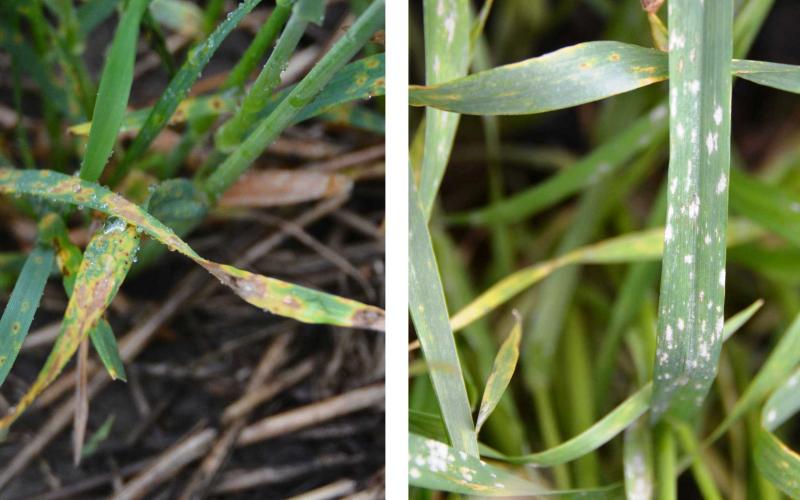
Does Early Fungicide at Tillering Result in a Profitable Yield?
Tan spot and powdery mildew pathogens are two residue-borne pathogens that can infect wheat early in the season. These diseases can lead to poor tillering, and their continued development can lead to yield loss.

Probiotics & Prebiotics: Improving Digestive Health
Our digestive health is very important to our overall health. Recent evidence has shown prebiotics and probiotics can work together to improve digestive health.

Large Farms More Dominant in South Dakota Crop Production
Large farms play a more dominant role in South Dakota crop production, according to the recently released 2017 U.S. Census of Agriculture. As of 2017, large farms of more than 2,000 acres operate 66.8% of South Dakota total cropland aces compared to 47.7% as of 1997.

Fungicide Seed Treatment Considerations for 2019
With the excessive soil moisture and flooding that has occurred throughout South Dakota, growers may be thinking about using a fungicide seed treatment this planting season.

Managing Stress to Reduce Early Embryonic Loss in Beef Cattle
With the majority of pregnancy losses occurring in the embryonic period, it is critical to mitigate losses in livestock by managing stress and avoiding transportation when the embryo is most susceptible to mortality.