Search
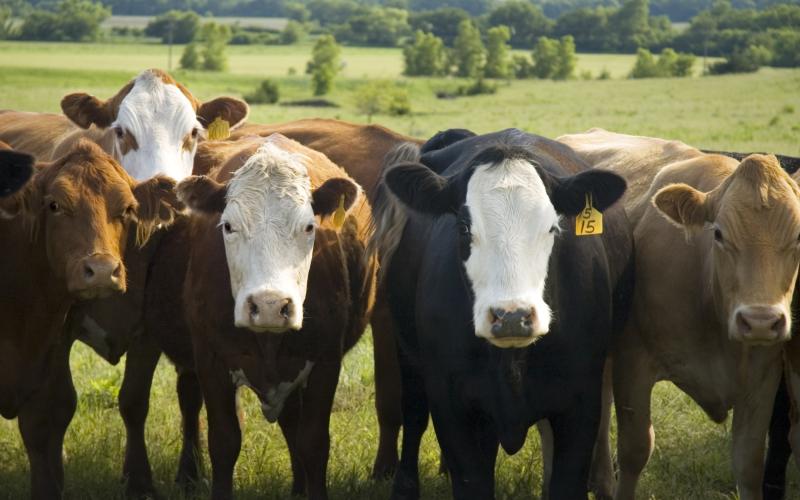
Concentrated Animal Feeding Operations Training set for June 30
June 08, 2021
An environmental training session for operators of concentrated animal feeding operations (CAFOs), will be held Wednesday, June 30 in Huron at the Crossroads Convention Center.
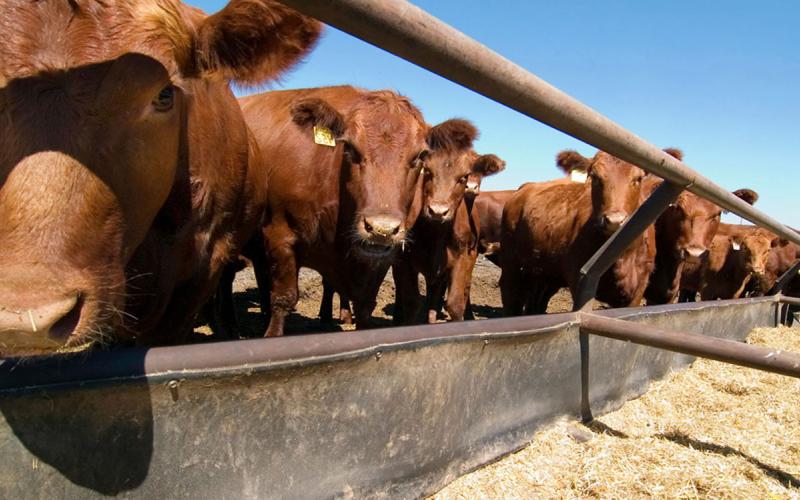
Concentrated Animal Feeding Operations Training Being Held June 29
June 14, 2022
SDSU Extension will host a livestock environmental training program for concentrated animal feeding operations on June 29 at 8:30 AM CST at the Crossroads Convention Center in Huron.

Powdery Mildew Presence in Your Garden: How to identify and prevent it
Powdery mildew is a common fungal disease that targets a wide range of hosts. It is important to identify its presence as soon as possible to slow its spread and prevent irreversible damage.
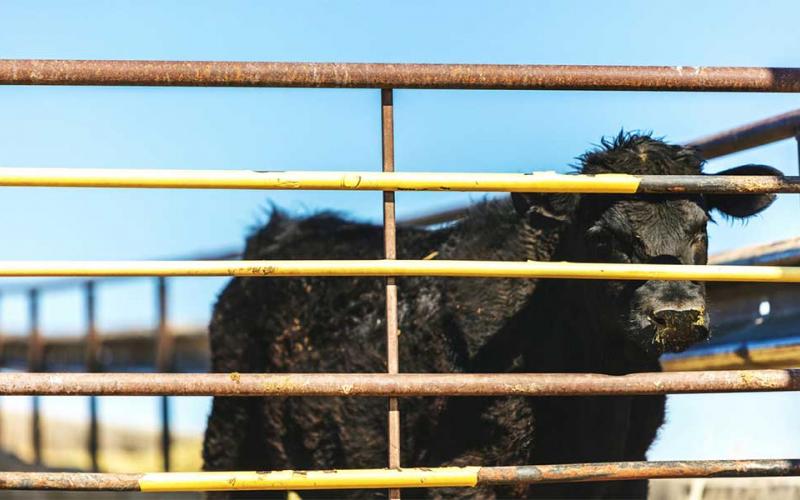
Mycoplasma Bovis in Feedlot Cattle: Why It’s Different and How It Causes Illness
Mycoplasma bovis is widely distributed throughout feedlot cattle populations. The insidious nature of Mycoplasma infections, and their ability to become well-established by the time they’re observed, create challenges for treatment and prevention.
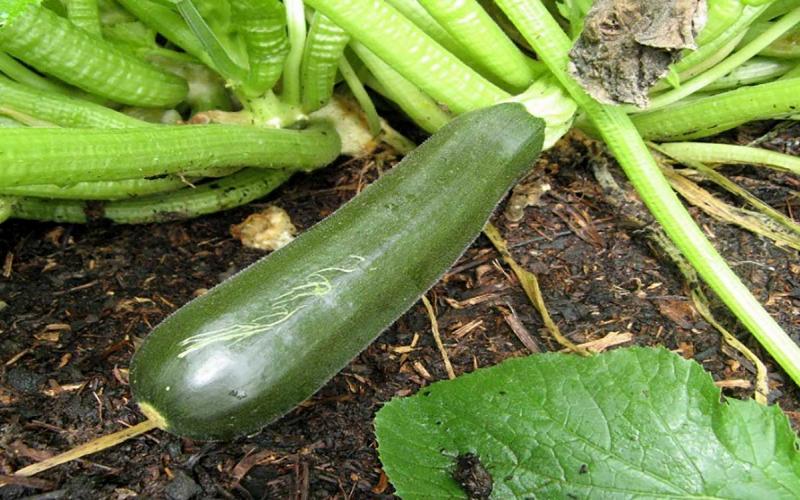
Summer Squash: How to Grow It
There are many types of summer squash, including the familiar zucchini (which can be green, green-striped, or yellow), crookneck, straightneck, patty pan and more.
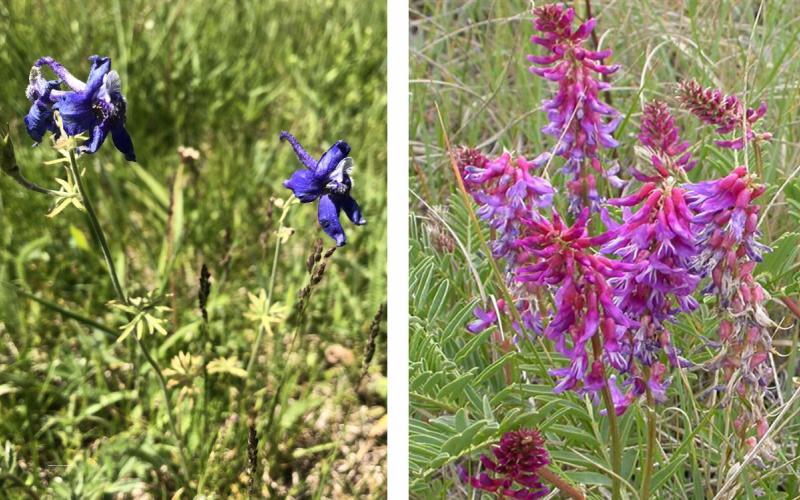
Poisonous Plants on Rangelands: Larkspur and Poisonvetch
Larkspurs are the second leading cause for all livestock deaths from toxic plant poisoning. Poisonvetches are considered accumulator plants that uptake excessive levels of selenium and cause toxicity problems in cattle.
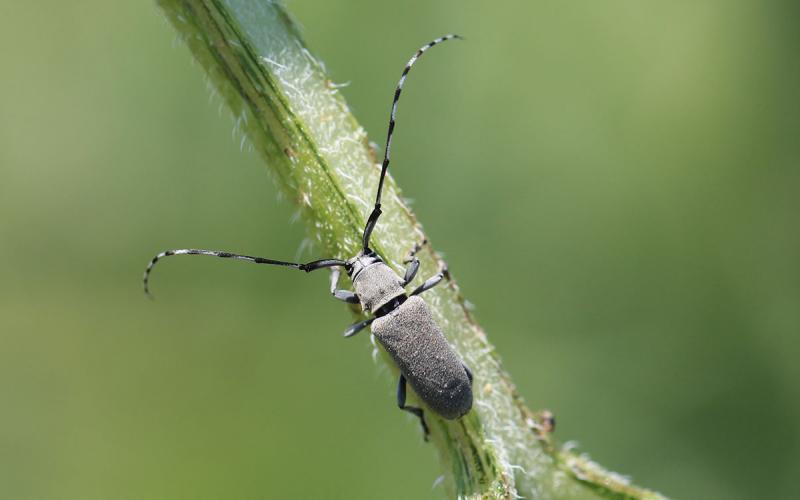
Dectes Stem Borer May Be More of an Issue During 2021
Dectes stem borers are an annual pest of sunflower in South Dakota. During most years, they do not cause major issues in sunflower. However, we have observed increased issues with this pest during dry years.

Light, Moderate, and Vigorous Activity
Physical activity of all kinds can be performed in a variety of intensities, including light, moderate, and vigorous. Learn some expert tips for recognizing the difference!

Woody Weeds: Tatarian Honeysuckle
Tatarian honeysuckle (Lonicera tatarica) was brought to North America from Asia in the mid-18th century for ornamental uses. In South Dakota it was also used as a windbreak species until the 1980s.
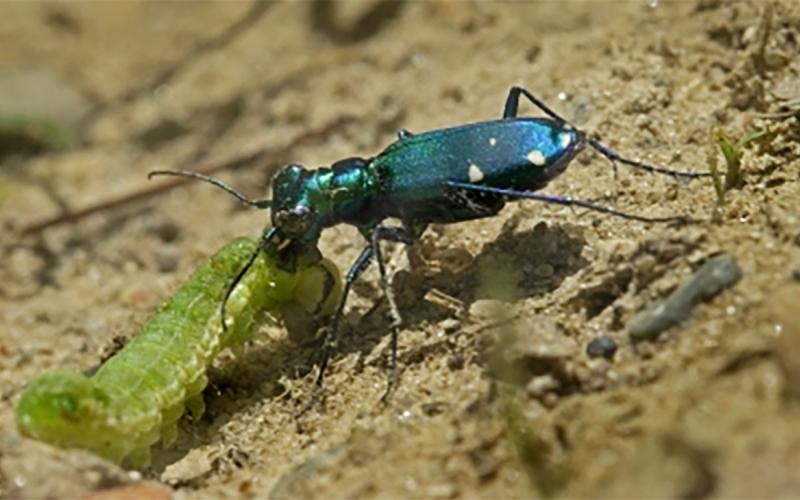
Tiger Beetles: Beneficial Predators and Ecosystem Health Indicators
Tiger beetles are generalist predators, meaning they prey on a wide variety of pests. Observing them in a landscape is a great sign that an ecosystem is healthy and supporting both prey and predators.