Search

Bull Check Up
Cattlemen can increase the breeding capacity of bulls through proper care prior to the breeding season. Because the production of sperm cells require 60 days with several factors having a potential negative impact on breeding ability, it is time to begin evaluating bulls now to ensure they are ready for the breeding season.
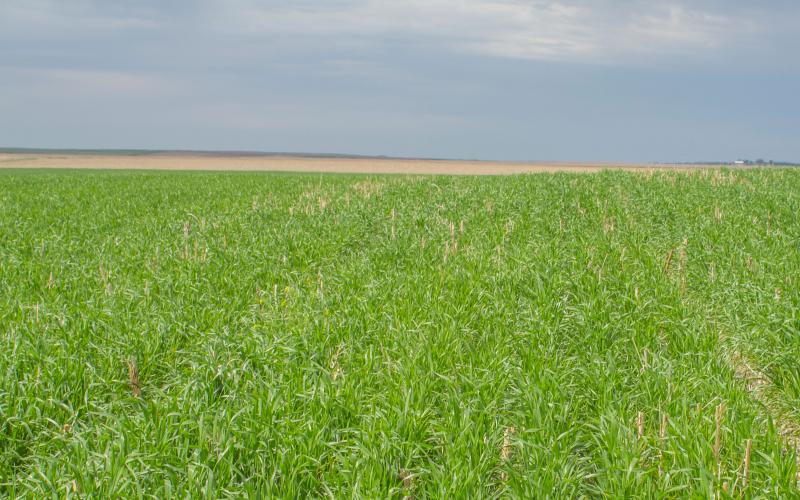
Chloride Fertilizers May Be Beneficial in Spring Wheat Production
Chloride, the ionic form of chlorine, although not considered an essential nutrient, has long been observed to be highly beneficial to field crops. Chloride is known to play an essential role in plant development and osmoregulation.
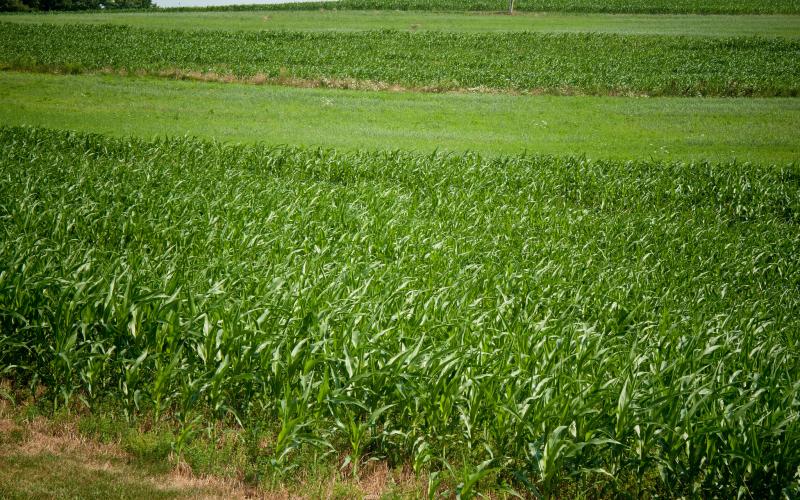
Crop Rotation Potential: Improving Soil Health & Farm Profitability
Two-year corn-soybean rotation coupled with heavy chemical inputs has become the routine practice of agricultural production in the Midwestern United States. According to USDA/NASS data, corn and soybean prices received by producers in South Dakota both reached the peak levels of $7.39 and $16.00 per bushel, respectively, in August, 2012.
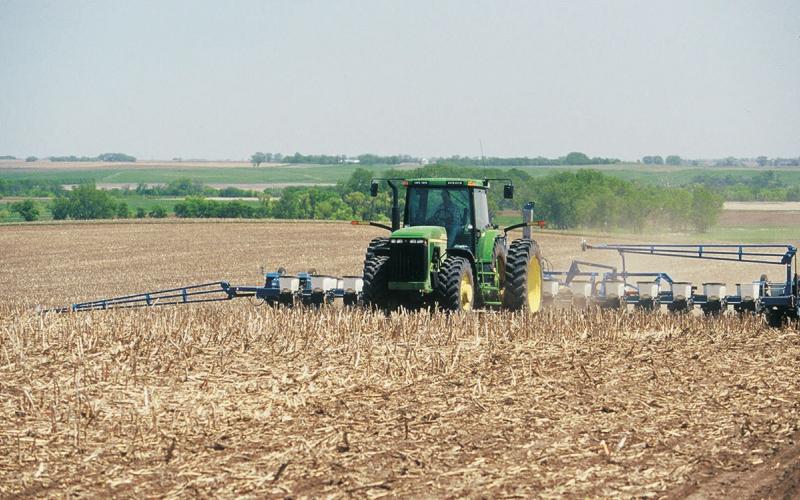
Conservation Practices Increasing in South Dakota
The recently released Agricultural Census data of 2022 shows that the share of cropland acres under conservation practices has continued to increase in South Dakota.
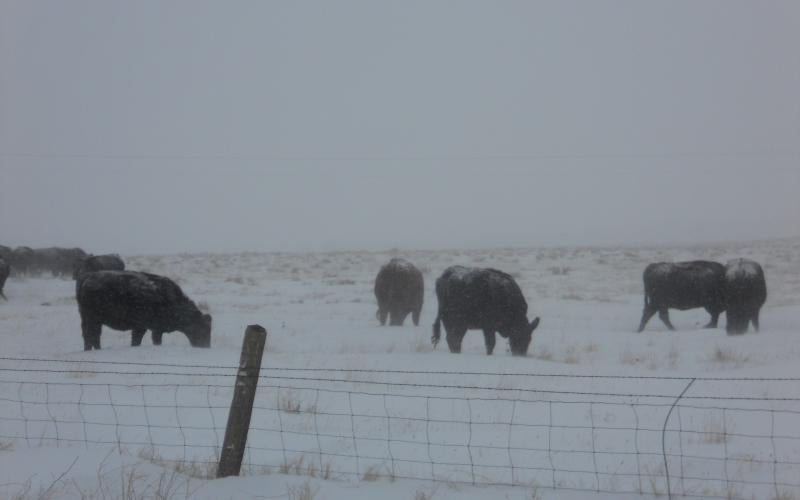
Spring Storm Fronts Impact Calving Patterns
While the changes in calving patterns in association with weather fronts is nothing new to producers, it is beneficial to keep this in mind as calving season shifts into high gear. Cold fronts are the type of weather systems that will create the pressure and temperature changes associated with increased birth rates.
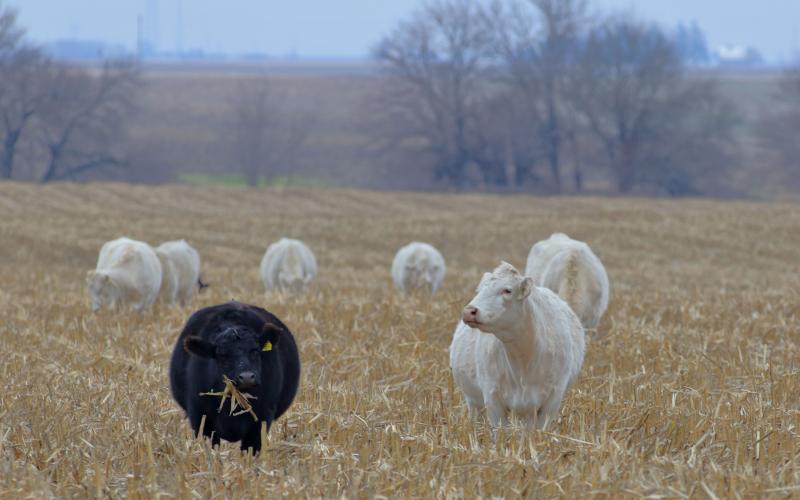
Farm Practices That Improve Soil Health: Integrated Crop-Livestock Systems
An integrated crop-livestock system can provide an alternative management strategy that benefits producer’s income, soil health, and the environment—all while increasing production.
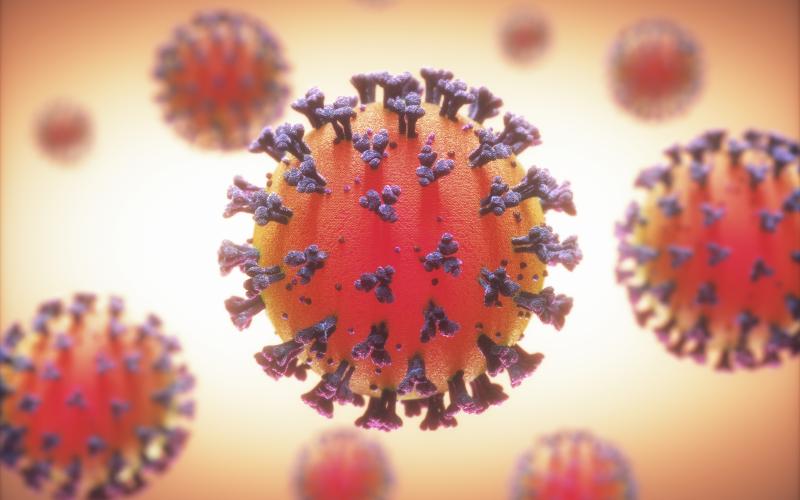
SDSU Extension Continues Outreach Efforts During COVID-19 Pandemic
April 03, 2020
While offices throughout the state are closed, SDSU Extension experts remain available remotely and encourage the public to reach out to them via email or by phone.
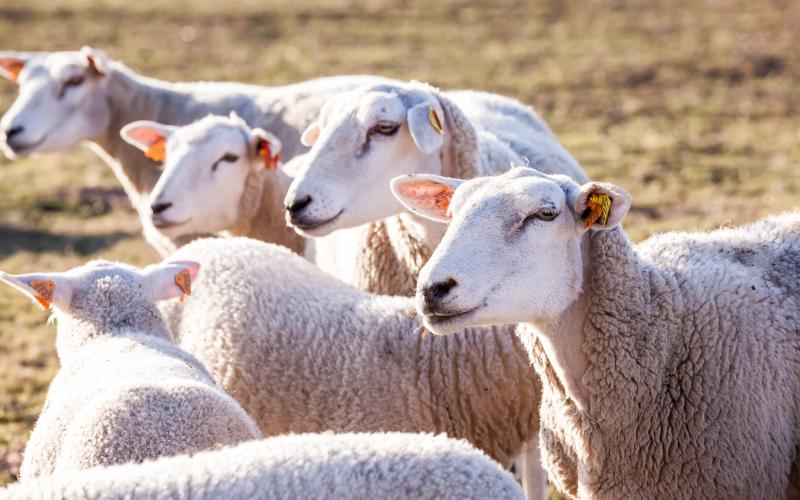
National Sheep Improvement Program: Performance-based data you can rely on
Sheep producers continually look for opportunities to improve their flocks through the introduction of genetic traits that will contribute to both improve the performance and physical appearance of the offspring. For hundreds of years, producers used the phenotype or physical appearance traits to select replacement stock, followed by performance trials and wool testing to quantitatively define the traits a specific animal may possess.
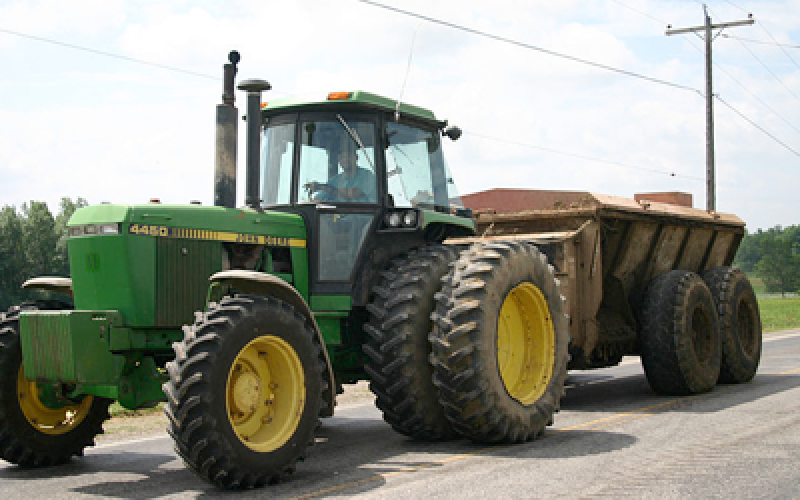
Farm Safety: Making it a daily habit
We know that agriculture ranks as one of the most dangerous occupations causing an estimated 167 lost-work-time injuries on a daily basis, of which 5% result in permanent impairment, according to the National Institute for Occupational Safety and Health. In addition, approximately 20 farm workers per 100,000 die annually, with the leading cause of these deaths being tractor overturns.
Using Feed Testing to Control Variation
By now all the summer and fall’s work of getting forage harvested has wrapped up. Now comes the task of converting all of that work into animal protein (at a profit)!