Search
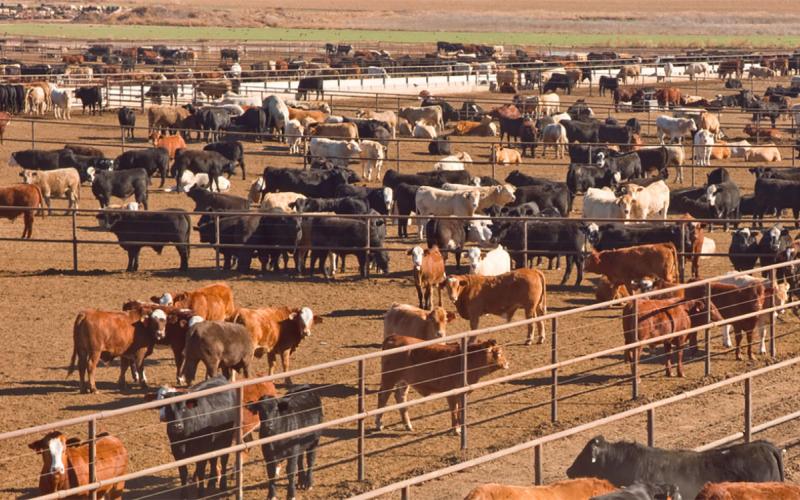
SDSU Extension Encourages Cattle Feeders to Attend Feedlot Tour July 19-20
In an effort to provide cattle feeders and producers the opportunity to view a variety of cattle feeding facilities and practices, Warren Rusche, SDSU Extension Beef Feedlot Management Specialist, in collaboration with the South Dakota Cattle Feeders Council, an affiliate of the South Dakota Cattlemen’s Association, have coordinated a feedlot tour July 19-20.

Direct Marketing
In this episode of Cattle HQ, Cow/Calf Field Specialist Adele Harty is joined by Sheep Field Specialist Jaelyn Quintana, Meat Specialist Dr. Christina Bakker and Heather Maude, a rancher from Scenic.
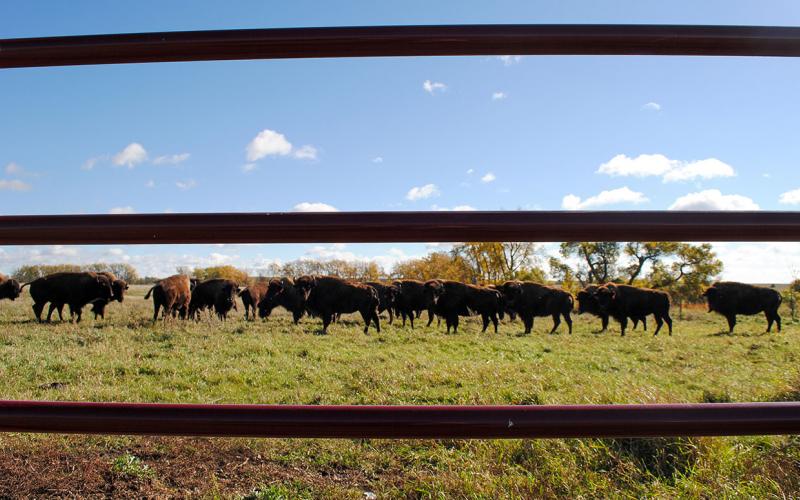
Getting Started With Bison Ranching
While bison ranching has some similarities with cattle ranching, there are significant differences that must be accounted for to ensure long-term sustainability and profitability.
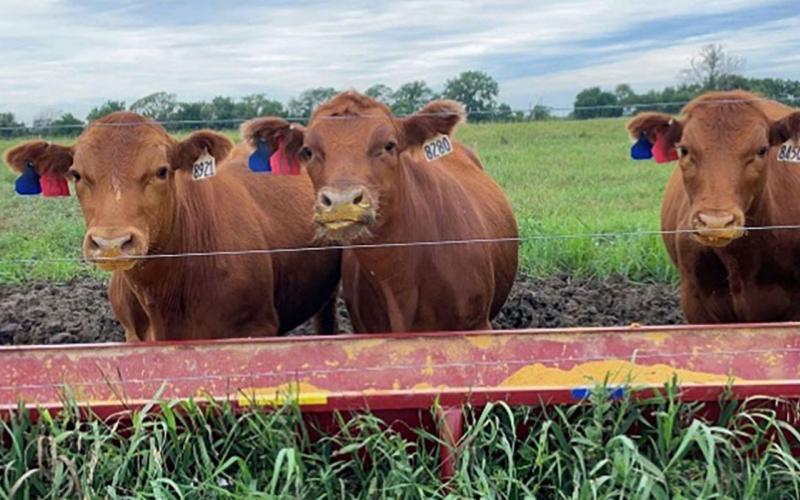
SDSU Extension hosts cattle webinar series on market, climate and health trends
May 03, 2024
The Market, Climate, Health: Cattle Update one-hour webinar series is online via Zoom at 11 a.m. CDT / 10 a.m. MT on June 4, 11 and 18, 2024. Tickets are $30 and registration is required to receive the Zoom link. To register, visit extension.sdstate.edu/events and search “cattle”.
Drought Planning Resources
In this episode of Cattle HQ, we focus on taking stock of current growing conditions and making key operational adjustments to manage the cattle herd and forage resources in challenging weather conditions including drought-stricken areas of the Midwest.
What Does Congestive Heart Failure in Cattle Mean to Producers in the Northern Great Plains
During this episode of Cattle HQ, Dr. Brian Vander Ley discusses why producers in the lower elevations of northern great plains should be aware of congestive heart failure.
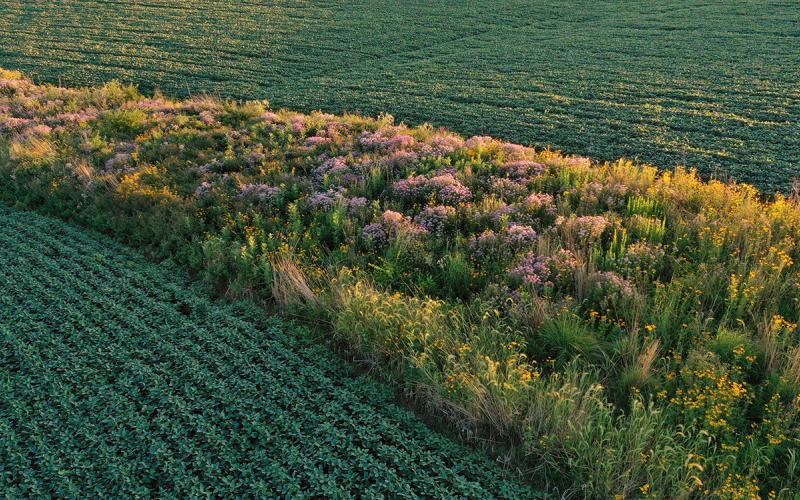
Using Prairie Strips To Protect South Dakota Water
Prairie strips are a new continuous Conservation Reserve Program practice that integrates native prairie plantings oriented linearly within a row crop field to reduce soil erosion and runoff.
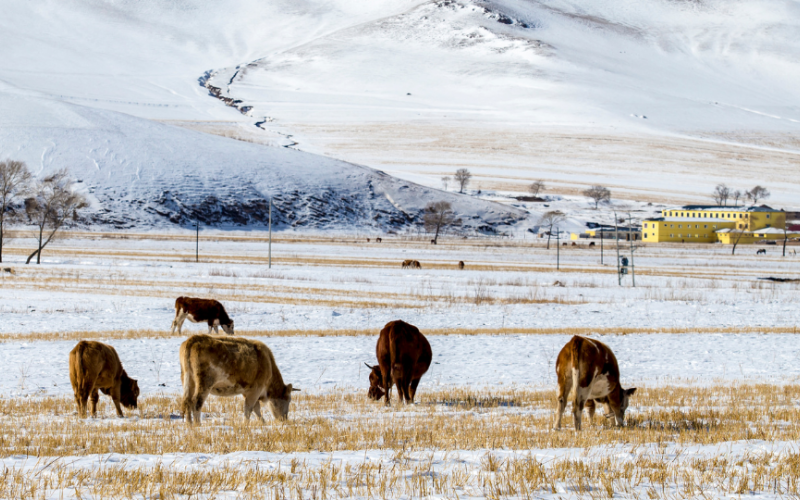
SDSU, NDSU Extension hosting beef cattle feeding programs
January 22, 2024
The SDSU Extension Dakota Alternative Beef Cow Systems Symposium is designed to help farmers and ranchers navigate the rising costs of the pastures and forages used to feed beef cattle. There will be two in-person events and one virtual event via Zoom.
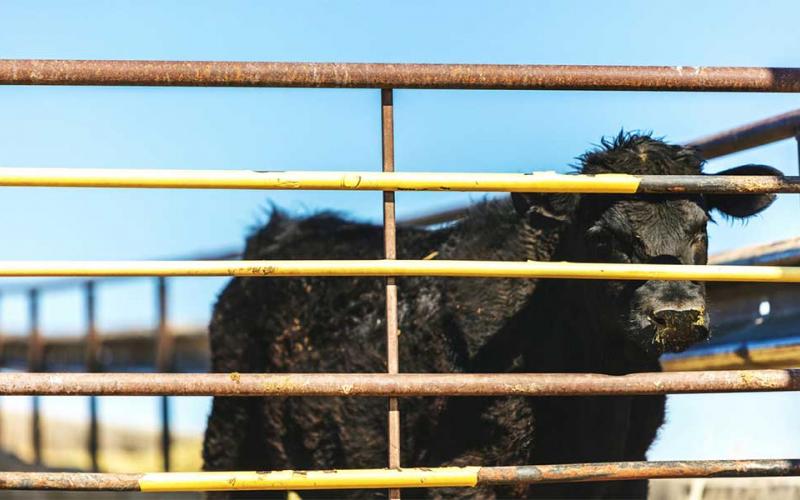
Mycoplasma Bovis in Feedlot Cattle: Why It’s Different and How It Causes Illness
Mycoplasma bovis is widely distributed throughout feedlot cattle populations. The insidious nature of Mycoplasma infections, and their ability to become well-established by the time they’re observed, create challenges for treatment and prevention.
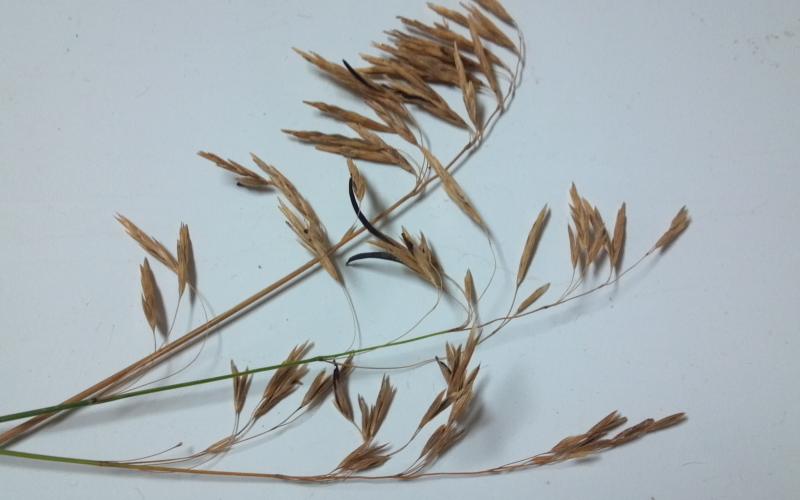
Ergot: A Potential Livestock Poisoning Problem
Cool, damp weather followed by warmer temperatures favors grasses becoming infected with ergot bodies, which can cause a certain kind of poisoning that can affect cattle on pasture.