Search
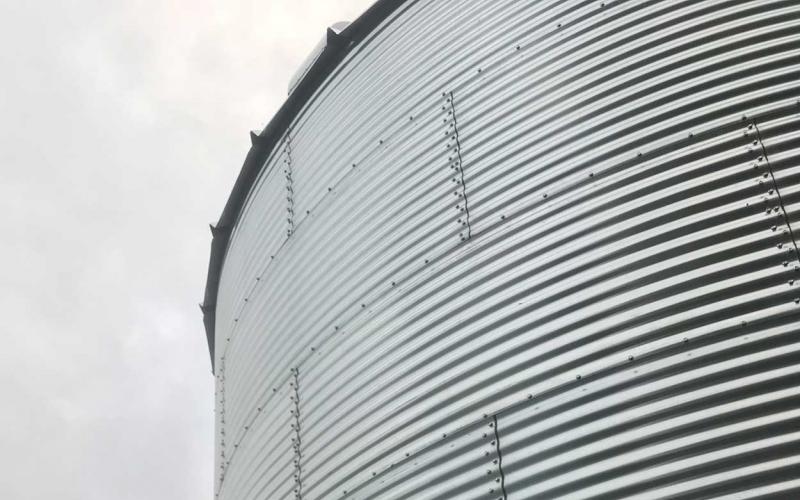
Steps to Prevent Stored Grain Infestations
As wheat harvest is underway it is important to ensure that grain bins are prepared in the best possible manner to prevent insect infestations. There are seven steps that can be taken to help reduce the chances of having infested grain.
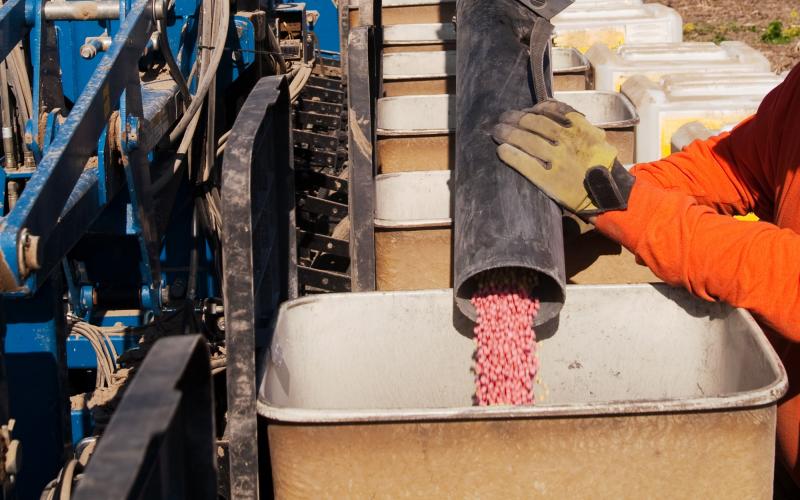
Pre-Plant Disease Management Considerations
If the forecast holds true, it looks like it is going to be another year of excessive soil moisture and possible flooding come this spring. The increased level of soil moisture has implications with regards to plant stand establishment as well as root rot and nematode infestations.

Planting Spring Wheat Into Corn or Milo Residue: Considerations for Scab
Due to current grain prices and other reasons, growers may be considering planting spring wheat into fields that were planted to corn or milo last season. While this type of crop rotation is not generally recommended, economic and logistical challenges sometimes may dictate otherwise.
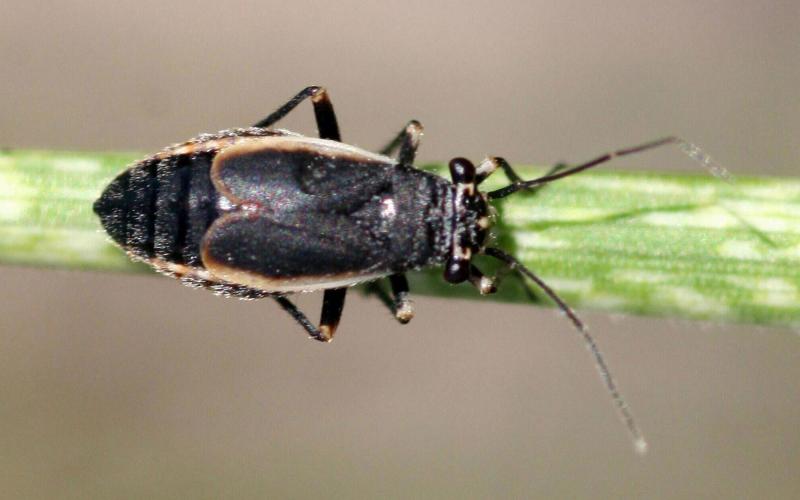
Black Grass Bug Activity Expected in Coming Weeks
Spring green-up is the time to be watching for black grass bug activity. Large populations of this early-season pest can cause severe damage to pasture (up to 90% forage reduction) and infest the edges of wheat fields.
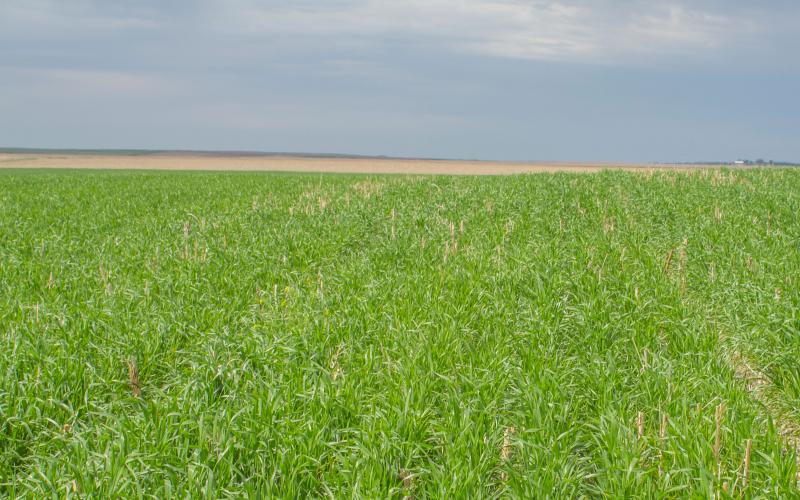
Chloride Fertilizers May Be Beneficial in Spring Wheat Production
Chloride, the ionic form of chlorine, although not considered an essential nutrient, has long been observed to be highly beneficial to field crops. Chloride is known to play an essential role in plant development and osmoregulation.
Temperature and Herbicide Performance
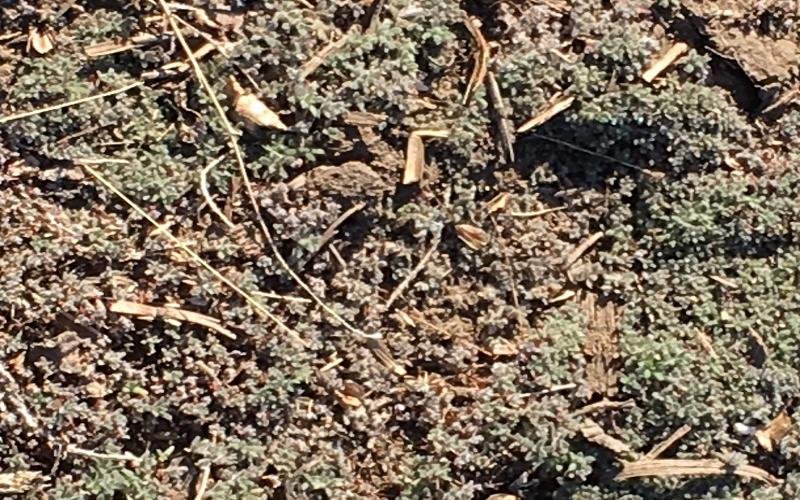
In South Dakota, the spring can come with a wide range of temperature fluctuations. This will affect the performance of burndown herbicides. Depending upon the target weed, type of herbicide and application rate, there will likely be decreased weed control in cooler temperatures.
Winter Wheat Diseases Update: Fungal Diseases and Barley Yellow Dwarf Developing
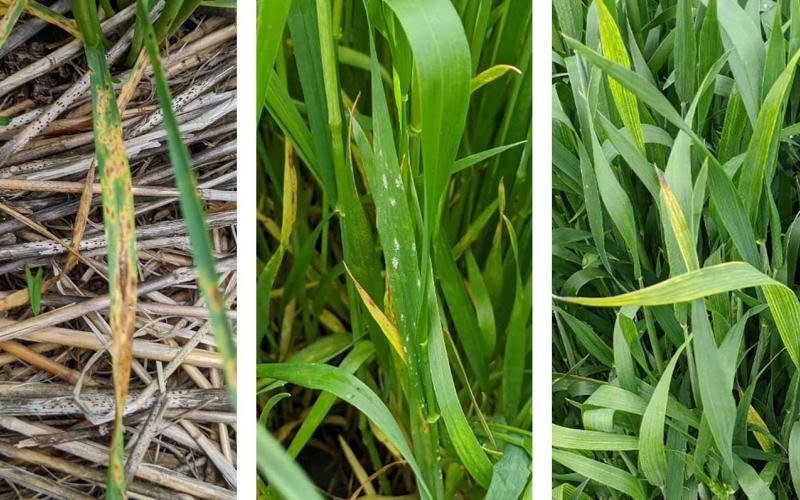
Tan spot and powdery mildew as well as barley yellow dwarf were found developing at low levels in winter wheat fields scouted the week of May 24, 2020.
The Fusarium Head Blight Prediction Tool
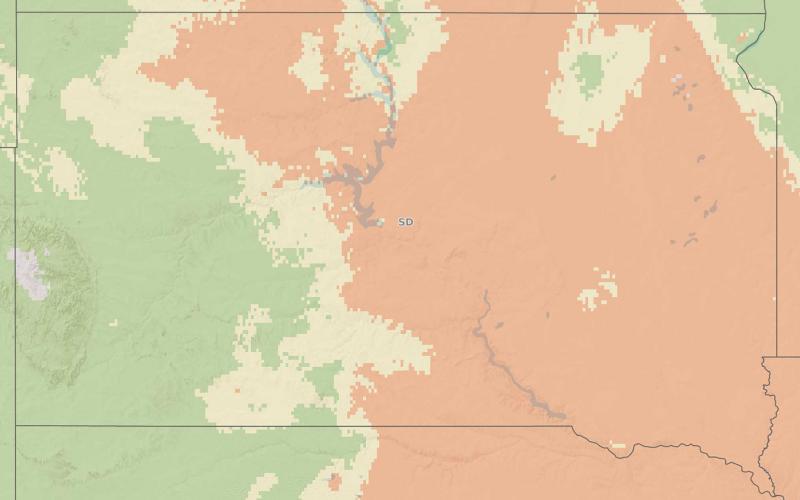
The Fusarium head blight prediction tool, available through Penn State University and Mesonet at SDState, uses weather variables to predict the risk for Fusarium head blight in wheat.

Barley Yellow Dwarf Developing in Oats
A few oat fields that were recently scouted were found to have barley yellow dwarf virus infected plants. The infected plants were few and scattered throughout the oat fields.
How Important Is Water Quality to Livestock?
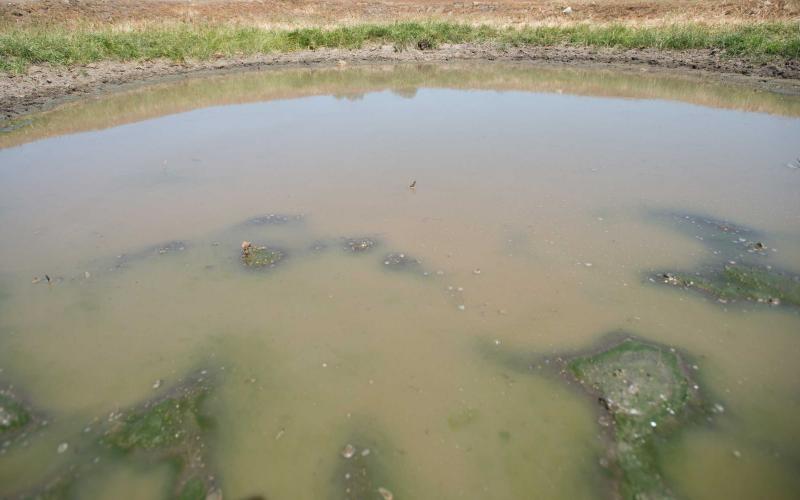
Water is the most important nutrient to all livestock animals and is sometimes overlooked. Poor quality water can have a negative effect on growth, reproduction, and general productivity of the animal.