Search
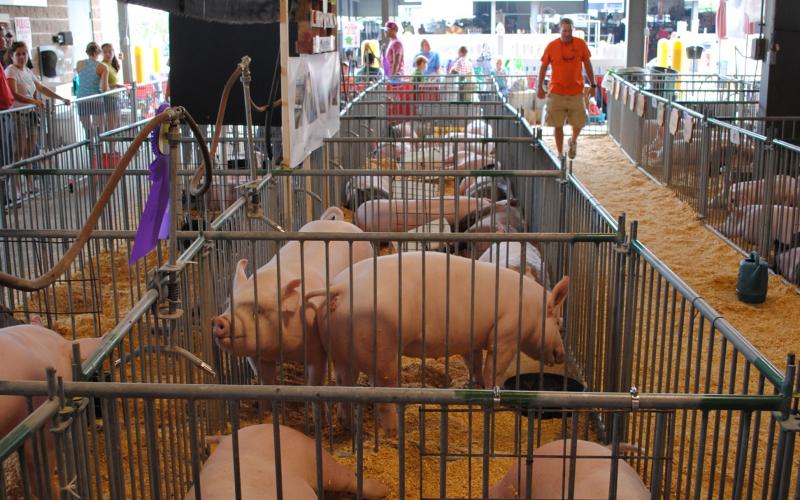
It’s Showtime, Get Your Show Box Ready!
It’s time to head off to the show, but before you can go everything needs to be loaded into the truck and trailer. You get a supply of feed and hay, load some bedding, put in a fan, add the trimming stand and now it’s time for the show box.

Best Management Practices for Corn Production
iGrow Corn is your unbiased, research-based guide to corn production, providing the latest recommendations to help increase yield, reduce input costs and protect your investment.
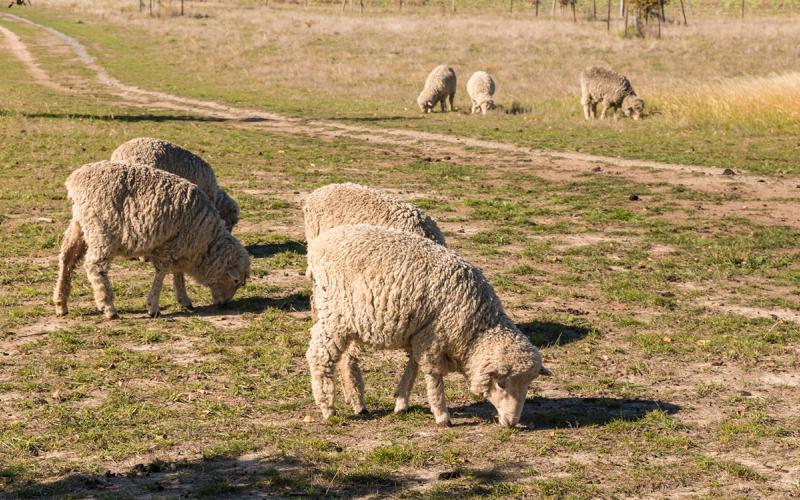
Using Rangeland to Extend Lambs to Meet a More-Optimal Market
Coming off a year of record prices across all classifications of sheep, the current drop in prices has been a bit discouraging. Using historic pricing data, we can observe seasonal price fluctuations that may make holding onto lambs a little longer a more-profitable option.

SDSU Extension identifies challenges, opportunities in agritourism
April 07, 2026
South Dakota State University Extension has identified key challenges and opportunities operators face in agritourism, an emerging industry in the state.
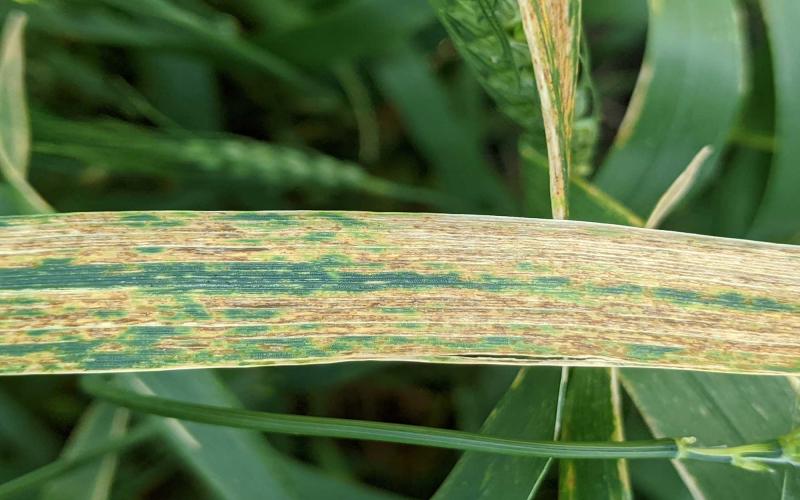
Bacterial Leaf Streak Developing at Low Level in Winter Wheat
A few winter wheat fields were found with bacterial leaf streak starting to develop at low levels. Bacterial leaf streak is usually observed starting from flag leaf growth stage. It can be severe on the upper leaves when there is prolonged leaf wetness resulting from frequent rains.
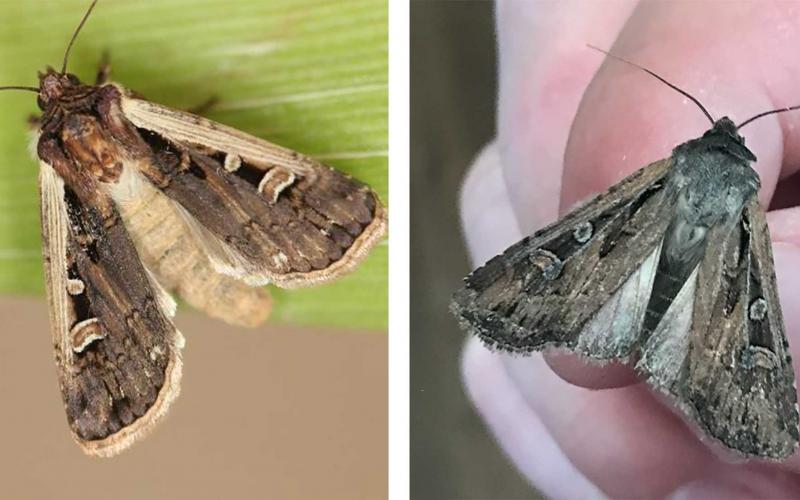
Army Cutworm Moths Among the Recently Reported Western Bean Cutworm Moths
Last week, we published an article about the presence of western bean cutworm moths being very abundant throughout Central and Western South Dakota. However, when talking with an entomologist from a neighboring state, they suggested the moths could also be army cutworm moths.
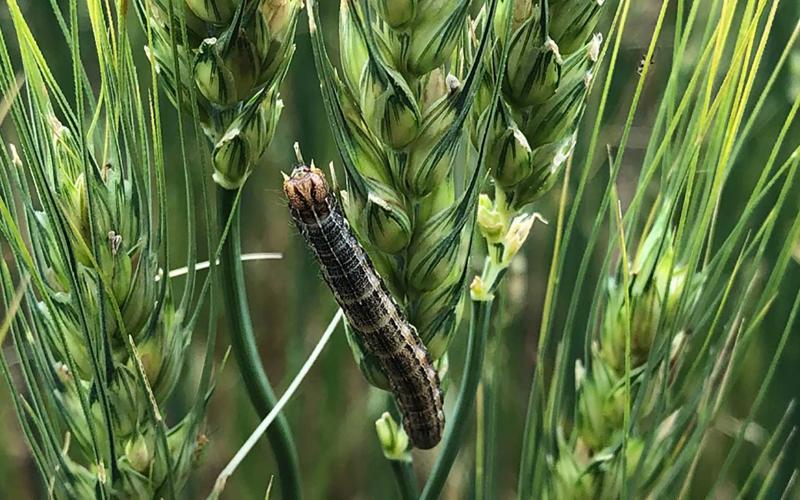
Scout for True Armyworms in Oats and Wheat
During most years, we start worrying about true armyworm activity in wheat fields in mid-July. However, the strong southerly winds that we experienced during the last two weeks pushed several insect pests north ahead of their normal schedule
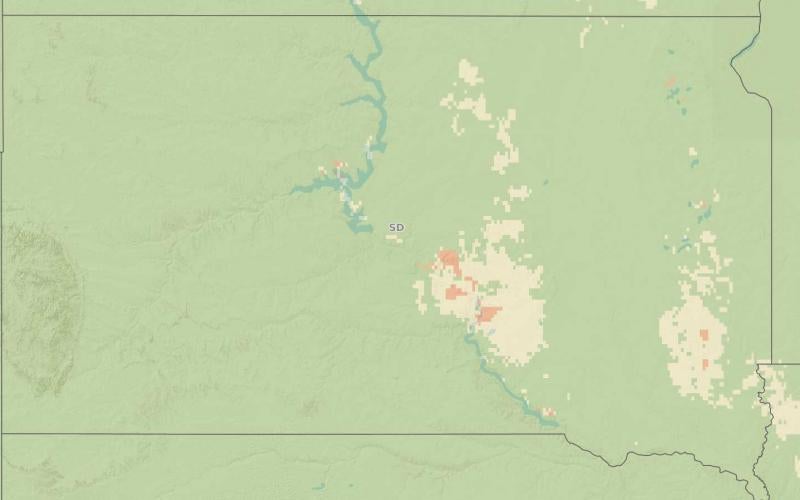
Fusarium Head Blight Predicted Risk for Spring Wheat
Most of the spring wheat is at or will soon be at flowering. One disease that can develop in wheat at this growth stage is fusarium head blight (FHB or scab).
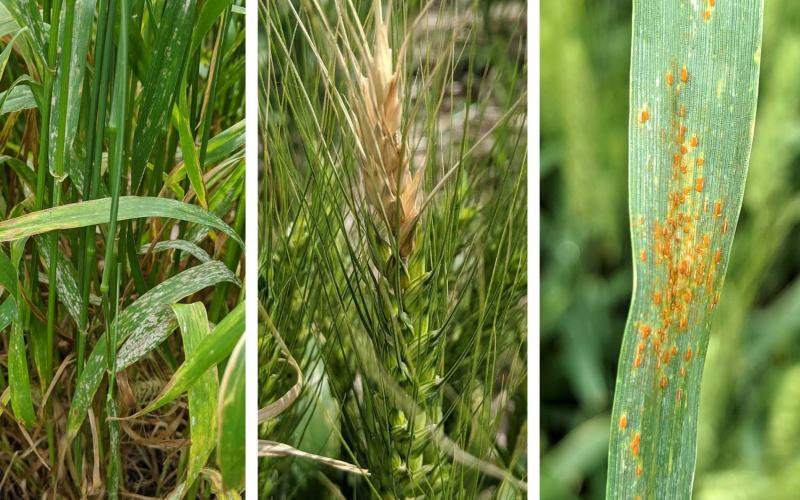
Winter Wheat Diseases Update
Powdery mildew, fusarium head blight and leaf rust were observed in a few winter wheat fields recently scouted. The recent rainfall showers and warm temperatures have favored these diseases to develop in winter wheat.
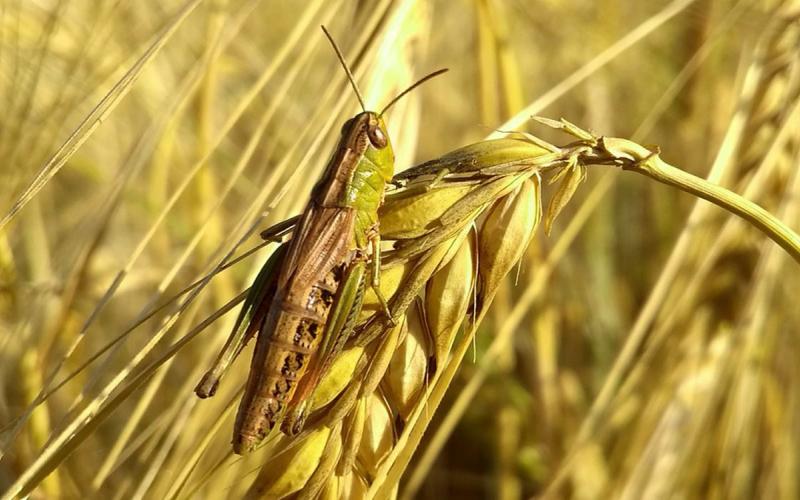
Grasshoppers Are Causing Concerns in Close-to-Harvest Winter Wheat
During the end of last week, we received reports of grasshoppers feeding on winter wheat that was close to being ready to harvest. One of the questions with the report was, “What insecticide can be sprayed that won’t delay harvest?”