Search
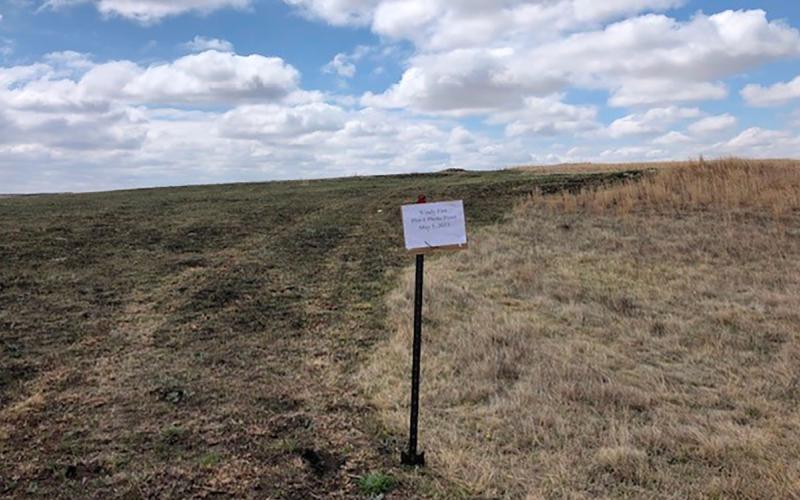
Range Roundup: Dormant Season Wildfire Project in Northwestern South Dakota
Two of the main environmental conditions that drive post-wildfire rangeland recovery include health of the rangeland ecosystem prior to the wildfire and climatic variables, such as precipitation or drought after the fire event.

Sheep Facilities and Moisture
Fact sheet for keeping a barn comfortable and dry to increase lamb survival.

It’s Time to Scout for Alfalfa Weevils
The 2018 and 2019 alfalfa weevil populations were relatively low, and as a result, we didn’t receive very many calls regarding this pest during those years. However, 2020 has been quite a bit different, and alfalfa weevil populations seem to be much higher.
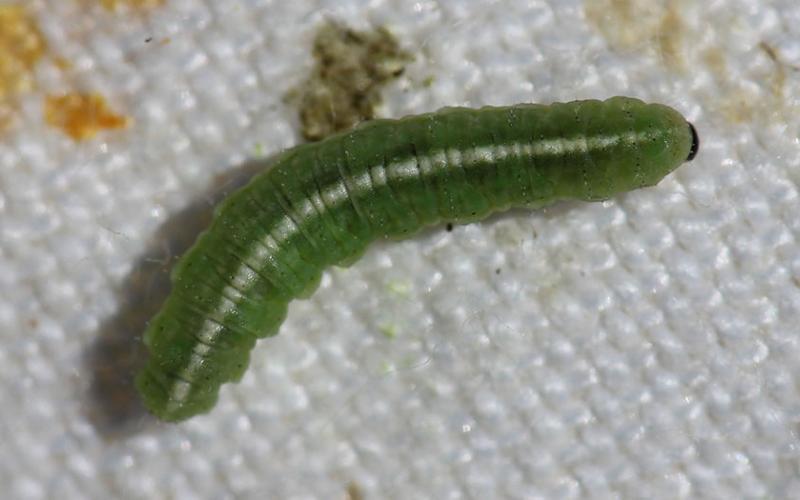
Alfalfa Weevil Activity Prediction Update: June 1, 2020
Activity of alfalfa weevils has been documented in many areas of South Dakota during the last week. At this time, the entire state has accumulated enough degree days for alfalfa weevils to be active.
Alfalfa Weevil Activity Prediction Update: April 20, 2020
During the last week, the colder weather that we experienced across South Dakota resulted in very little degree day accumulation. However, in some areas enough degree days have accumulated to potentially lead to adult activity within alfalfa fields.
Alfalfa Weevil Activity Prediction Update: April 27, 2020
It is finally warming up across much of South Dakota and that means the degree days are beginning to accumulate more rapidly. Alfalfa weevil activity is likely in areas around Rapid City, Hot Springs, Cottonwood, Mission, Pierre, Winner and Vermillion.
Alfalfa Weevil Activity Prediction Update: May 4, 2020
Temperatures continue to increase across South Dakota and the degree days are rapidly accumulating. With the exception of areas around Selby, Sisseton and Brookings, alfalfa weevil activity is likely in South Dakota.
Alfalfa Weevil Activity Prediction Update: April 14, 2020
The alfalfa weevil is a major spring insect pest of South Dakota alfalfa. Before 2018, this insect was reported as having large populations throughout much of South Dakota. However, during 2018 and 2019, we received fewer reports of alfalfa weevils, which may have been a result of the cooler and wetter spring conditions that were observed.
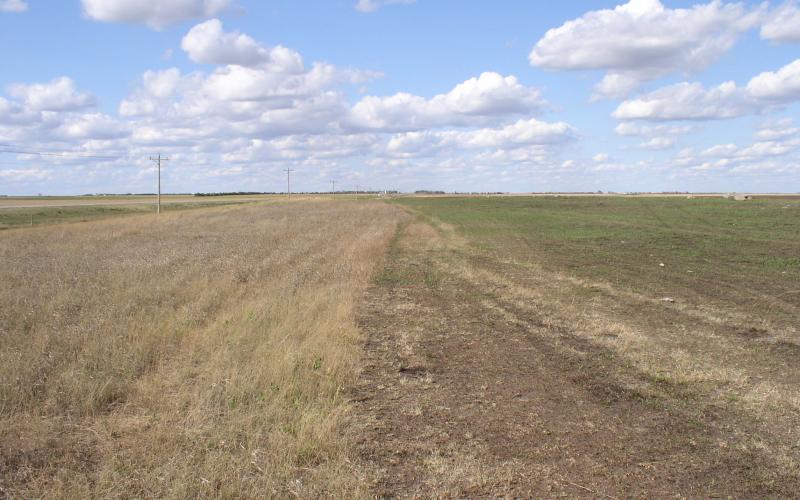
Management for Recovery of Rangeland After Wildfire
Because fire is a natural component of Northern Great Plains grassland ecosystems, prairie vegetation is very well adapted to recover following a fire.

Watch for Pea Aphid Populations in Alfalfa
Recent reports have indicated that pea aphid populations are very large in some alfalfa fields and should continue to be monitored and possibly managed.