Search
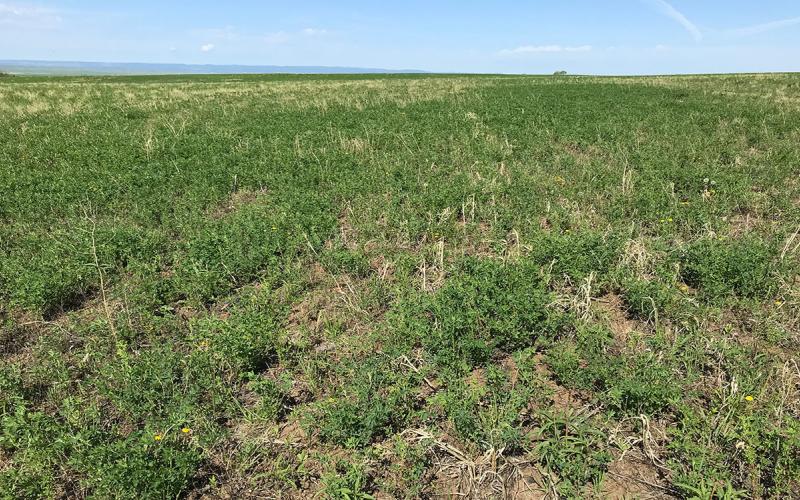
Replanting Cropland Back to Grassland
Planting cropland back to grassland takes some planning regarding previous herbicide use, soil fertility and seed bed preparation. The first step is to identify what resources are currently available to help you reach your objectives and what problems may need to be addressed.
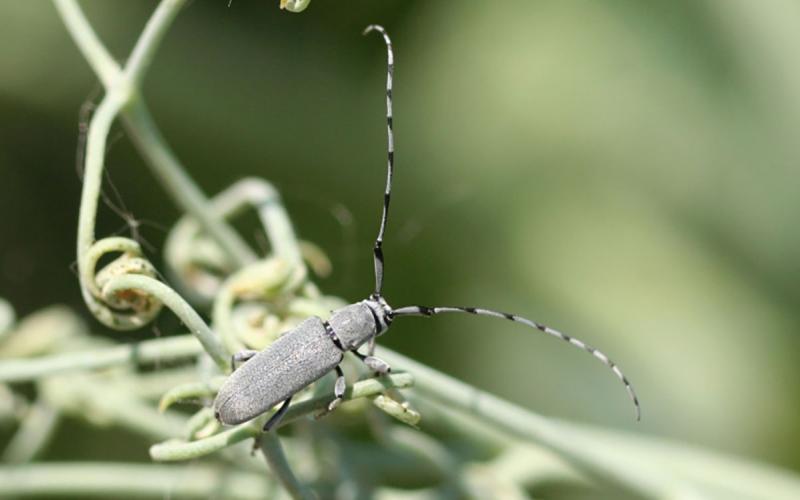
Dectes Stem Borer in Soybean
Although Dectes stem borers are more of an issue in South Dakota sunflower, they can also infest soybean. Thier larvae may cause soybean yield losses due to their feeding activity in the pith of the stem and also due to late-season lodging.

Imported Cabbage Worms Are Chewing up My Garden!
One of the worst things to observe in your garden are caterpillars heavily defoliating your plants. But unfortunately, that’s exactly what the imported cabbageworms (cabbage white) caterpillars do.
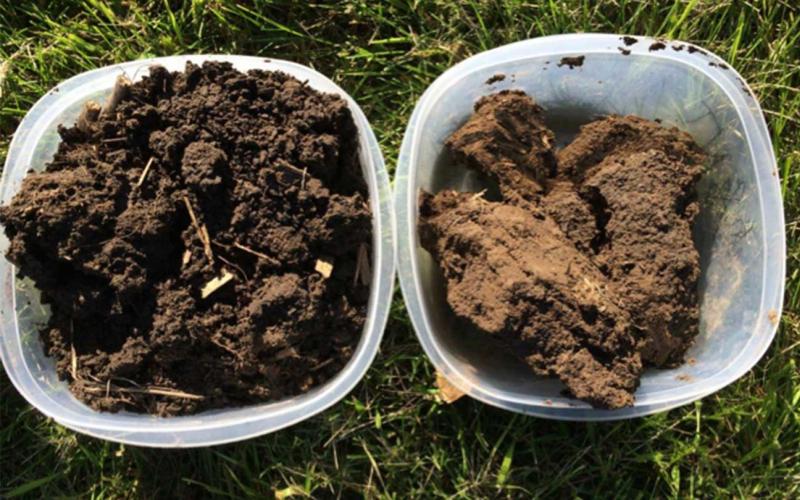
Organic Agronomy Starting to Impact
For decades scientists have known that a handful of soil contained more micro-biological organisms than the number of humans on earth. Science is just beginning to discover these organisms and learn about their functions and contribution to their soil ecosystem.
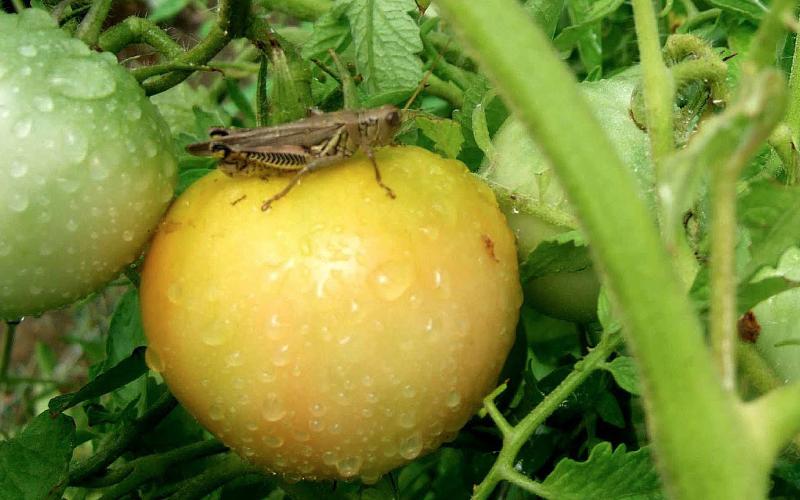
Protecting Tomatoes From Grasshoppers in the Garden
During dry summers, it's no surprise when grasshoppers start causing issues in gardens. Learn about some common grasshoppers that feed on tomato plants along with some ways to manage populations.
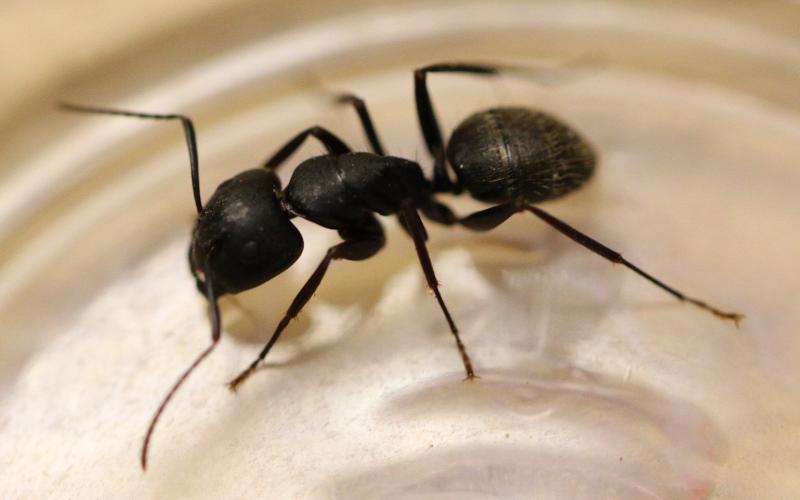
Watch Out For Carpenter Ants
With the continued moisture and warmer temperatures, carpenter ants have become a more common appearance in South Dakota. Similar to termites, this insect can be a structural pest, causing damage to homes and other buildings. It is important to identify and treat carpenter ants early to prevent any potential damage.
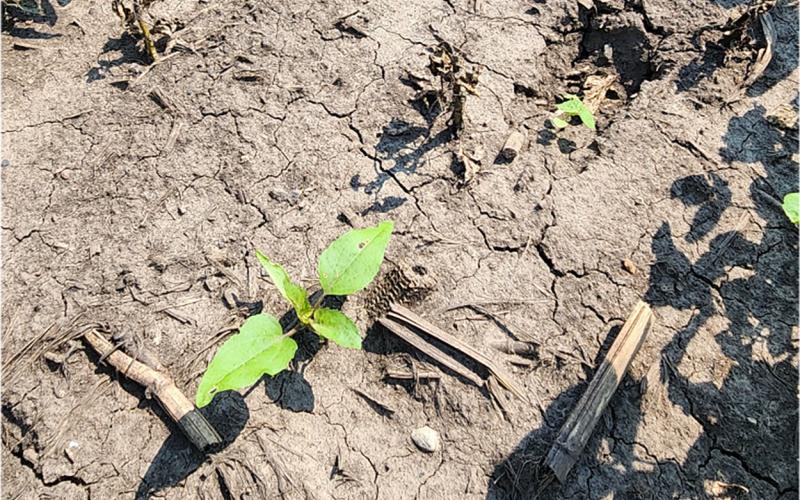
Excess Moisture and Heat Will Likely Increase Weed Growth and Germination
With warmer temperatures on the horizon, crop growth and development is set to rapidly increase, and so is weed growth and germination. Learn some expert tips for scouting and managing later-emerging weeds.
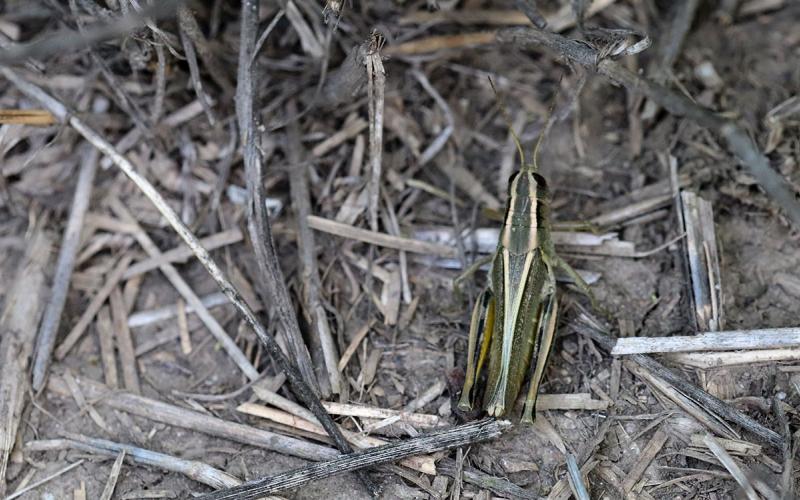
Grasshoppers in Gardens
Due to large populations and dry conditions, grasshoppers are moving into gardens and feeding on whatever they can find. In a normal year, grasshoppers can be a nuisance in a garden, but during an outbreak year, they can present a real threat to gardens, shrubs and small trees.
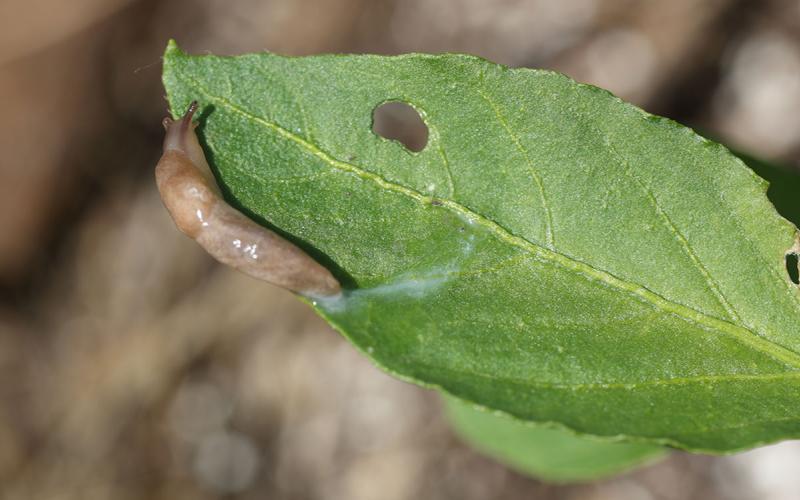
Slugs: The Slimy Defoliators
Have you noticed defoliation in your garden accompanied by distinct trails on plant leaves? The culprit could be slugs, a common pest that can be found during during cool, wet weather and in certain garden micro-climates.
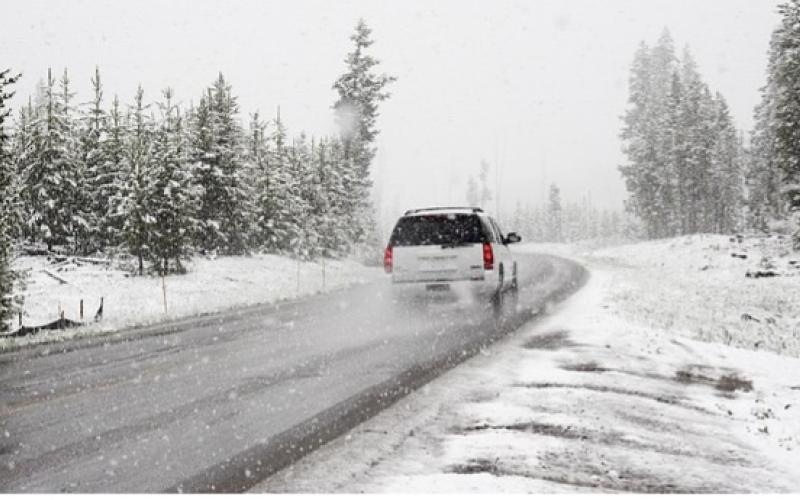
Winter Car Kits
Prepare a winter car kit to keep yourself safe when traveling during the winter.