Search
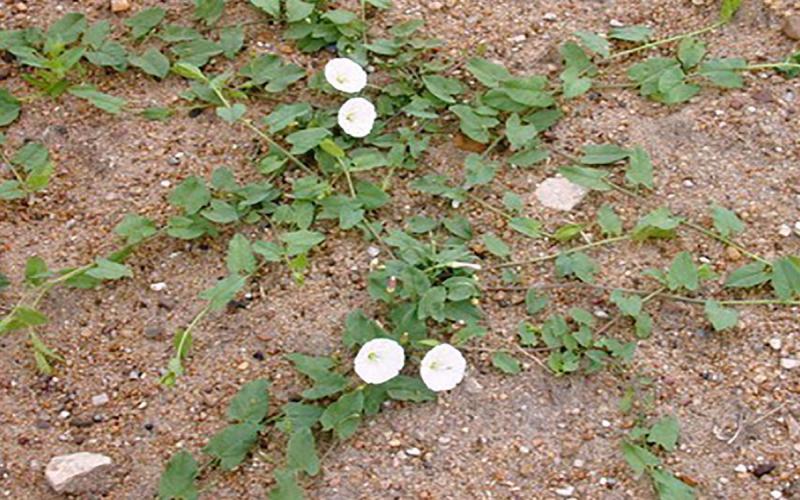
Field Bindweed Control in Yards and Gardens
Field bindweed is one of the most-serious weed problems in South Dakota. Learn some tips for identifying, managing and controlling this invasive weed in your yard and garden before it becomes an issue.

Range Roundup: Riparian Health Project Started in Western South Dakota
Over the last five years, federal, state, NGO and university partners and producers in Northwest S.D. were involved in a needs assessment that identified riparian health as an area of significant concern across Western S.D.
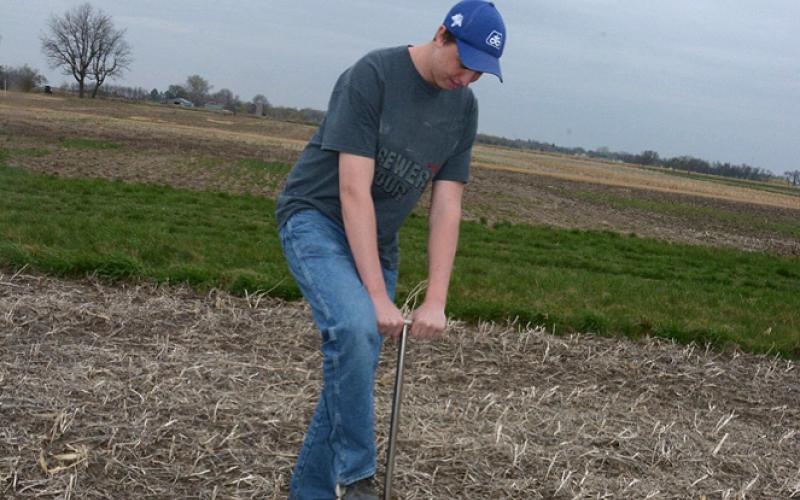
Consider SCN Sampling This Spring
Soybean cyst nematode management starts with a soil test to determine the presence or absence of this nematode in the soil.
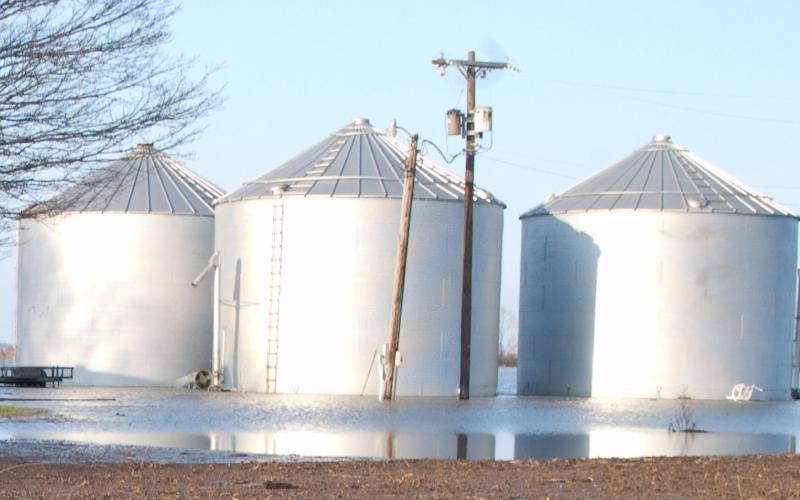
Stored Grains and Flooding
According to the Food and Drug Administration, grain inundated by watercourses is considered adulterated and must be destroyed. The portion of the grain that is not affected by the water can still be salvaged for its use.
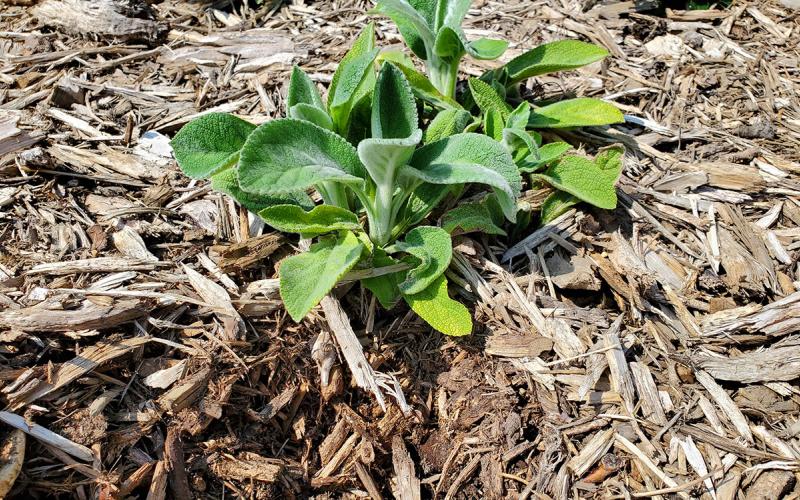
Organic Garden Mulches To Conserve Moisture and Prevent Weeds
If you want to reduce time spent in your vegetable and flower gardens watering or pulling weeds, consider mulching the soil surface with an organic material to improve plant health and your enjoyment of the garden.

South Dakota Farm to School Stories
South Dakota Farm to School Stories highlight the fact that farm to school is for everyone and can be done in many ways.
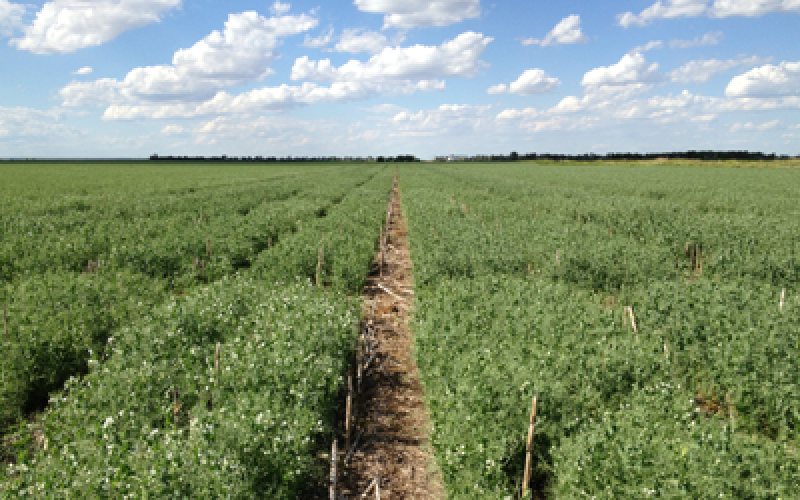
Weed Control: Pulse Crops
Weed competition can cause significant yield reduction in pulse crops. Pulse crops are weak competitors with weeds, therefore planning an effective weed control program is one of the keys to profitable production.
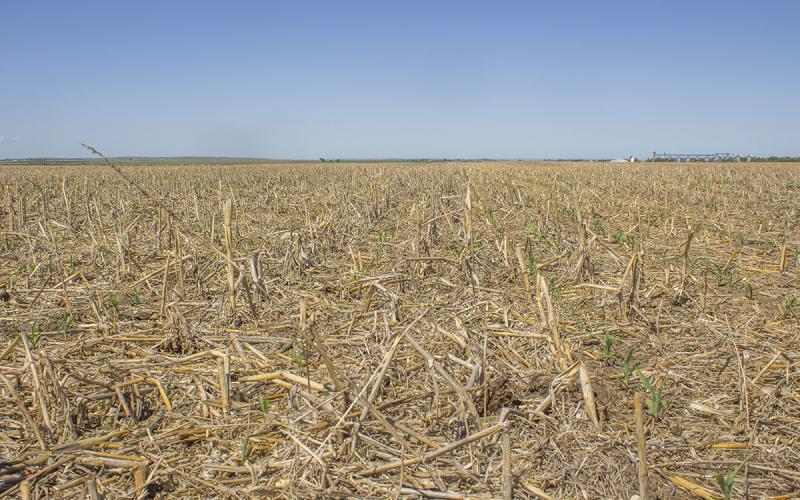
Dry Conditions May Hinder the Performance of Recently Applied Preemergence Herbicides
If a preemergence herbicide does not receive an activating rainfall, generally 0.5 to 1 inch of rain, many weeds will emerge, as the herbicide remains on the soil surface.
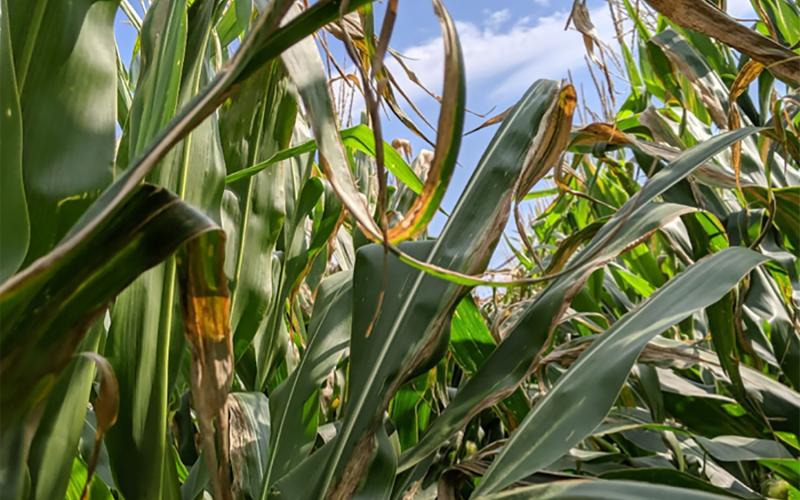
Goss’s Bacterial Blight Beginning to Show Up in Corn
Goss’s bacterial blight was found in a few corn fields scouted the week of August 5, 2019. The severity ranged from low to moderate, where at least 25 percent of the leaf area was killed by the bacteria infection on several plants. The disease is characterized by long, tan-gray lesions with wavy margins found in the center of the leaf or along the edges of the corn leaf blade.

The Emotional Challenges of Relocating
Our home is the physical embodiment of our memories. Unfortunately, our home is not always the best place for us to remain as we reach advanced age.