Search
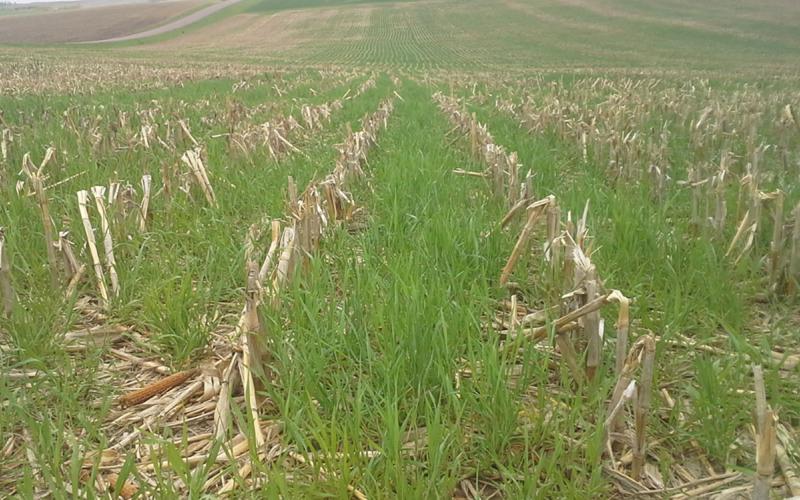
Thinking Cover Crops? Winter Rye Between Corn and Soybean
Although the 2021 growing season in has been impacted by widespread drought and record-high temperatures, recent rain events have brought planting cover crops back into the conversation.
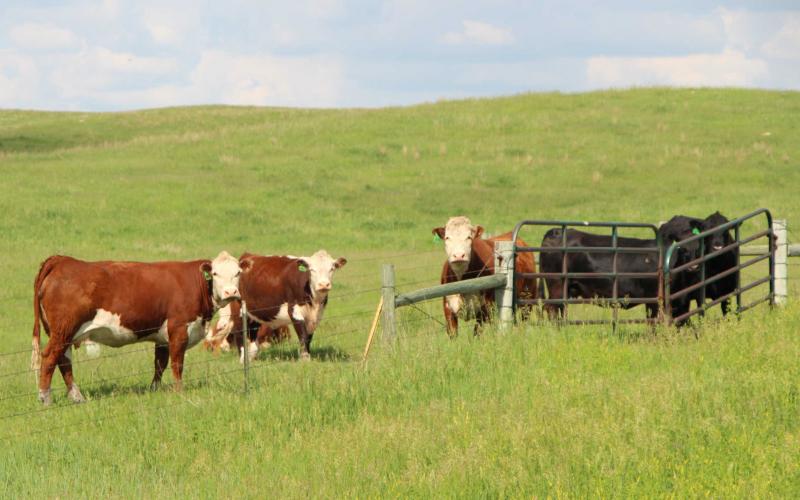
Cow Herd Options
April 2018 and 2019 blizzards caused stress to the region’s cowherds, and for some herds changed the calving distribution. 2020 brings a chance to re-establish a preferred calving distribution.
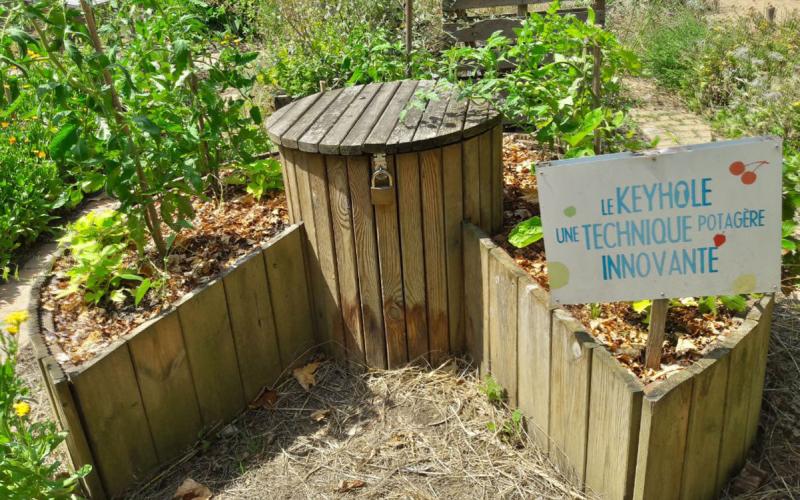
Keyhole Gardens
Keyhole gardens combine composting, water conservation, and space efficient planting in a single raised bed design. They give gardeners a practical way to produce vegetables, herbs, and flowers when space, soil, or water would otherwise be limited.
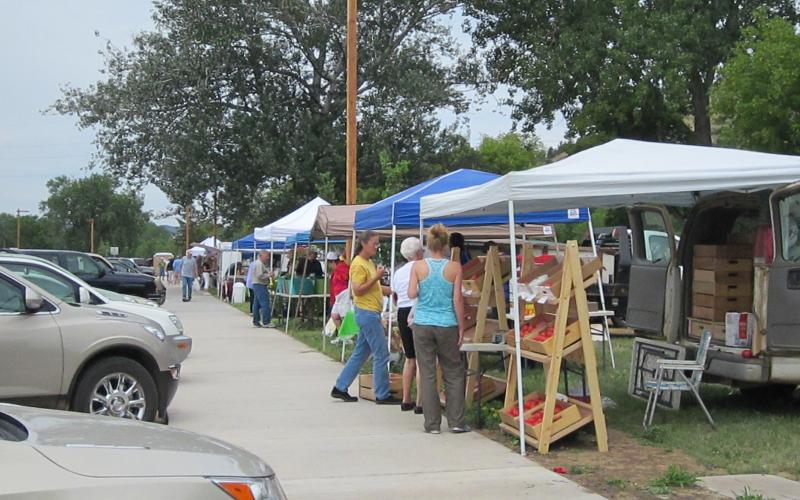
Drafting Farmers Market Documents: Market Rules
It is strongly recommended that new and existing farmers markets draft rules to govern the daily operation of the market.
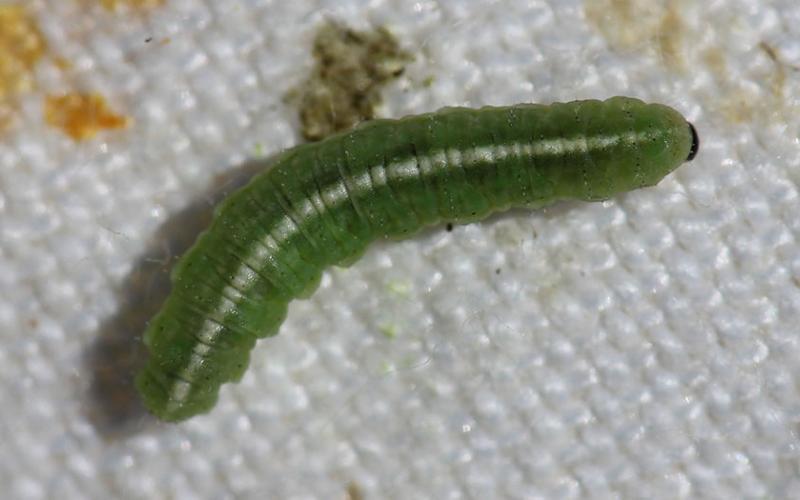
Alfalfa Weevil Activity Prediction Update: April 28, 2022
Although spring temperatures have fluctuated, we have been accumulating degree days, which means some of insect pests will emerge soon. With warmer temperatures in the upcoming forecast, the need to scout for alfalfa weevil activity will increase.
Alfalfa Weevil Activity Prediction Update: May 27, 2021
Alfalfa weevil activity is still being reported across much of the state. Although the degree day estimates for South Dakota indicate that much of the state has populations that are pupating, these estimates are not accurate. Scouting should continue throughout South Dakota.

Vegetables
Whether you are a beginner or have a green thumb, our tips will help your garden flourish.
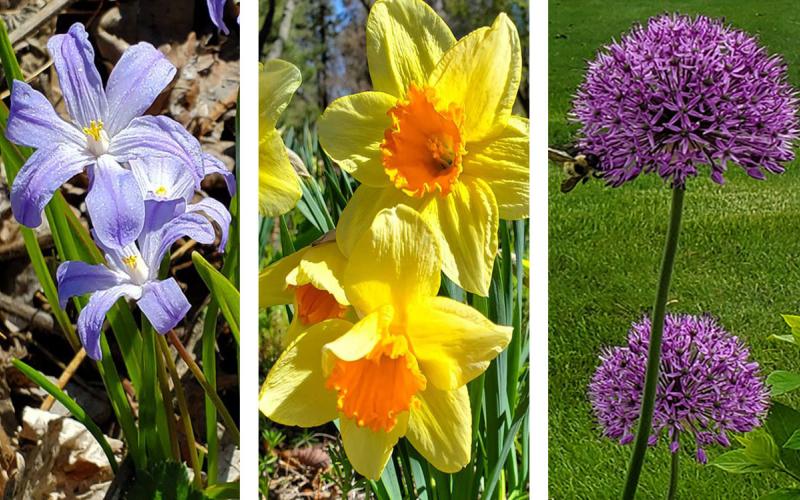
SDSU Extension launching 2023 Garden Hour webinars in May
April 26, 2023
SDSU Extension’s 2023 weekly Garden Hour series will debut May 2.
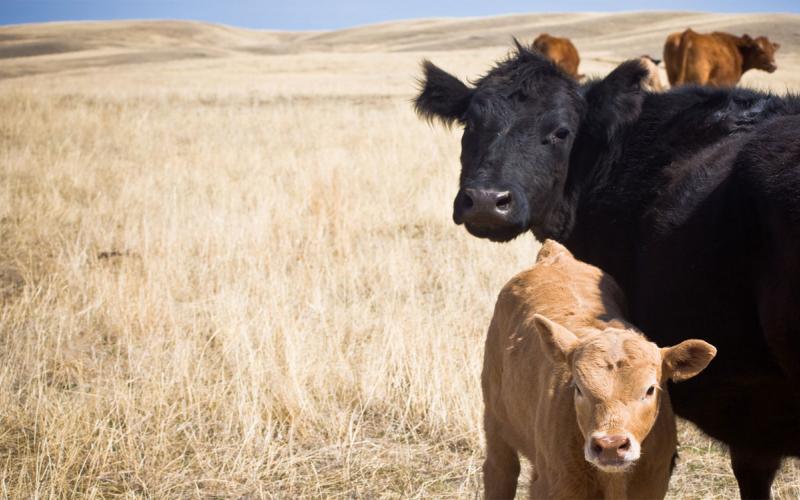
Early Registration for 2021 Range Beef Cow Symposium Ends Nov. 1
October 25, 2021
The two-day meeting will be held Nov. 16-17 at the Monument (formerly the Rushmore Plaza Civic Center) in Rapid City, South Dakota.
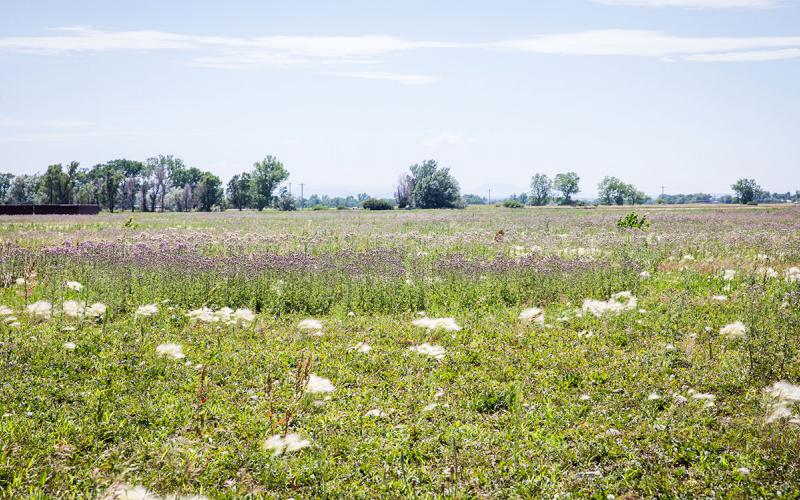
Invasive Species Management in Grasslands
Once invaded, grasslands can shift dramatically toward dominance of exotic species and require an integrated approach to species control that considers all tools, such as mechanical (cutting, burning), cultural (grazing) or chemical alternatives.