Search
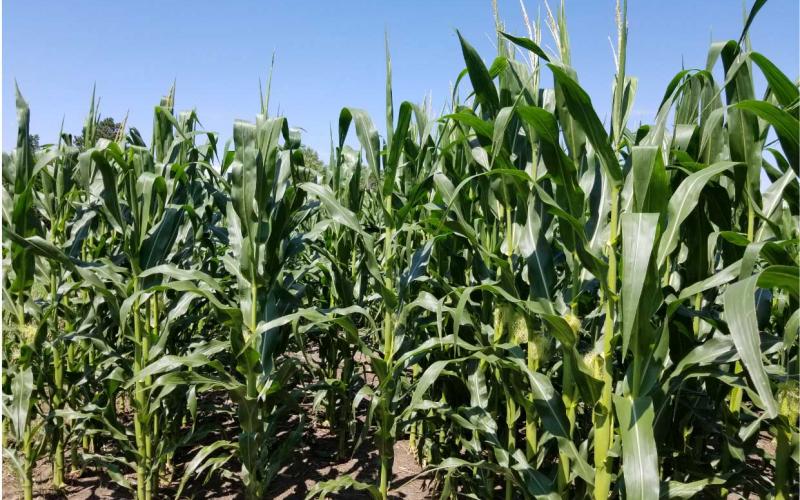
Flowering in Corn
Corn is at or near the most critical growth condition. Successful flowering and pollination are very important in determining the fate of the kernel setting and development. This article summarizes the pollination process and the effects of dry, hot conditions on pollination.
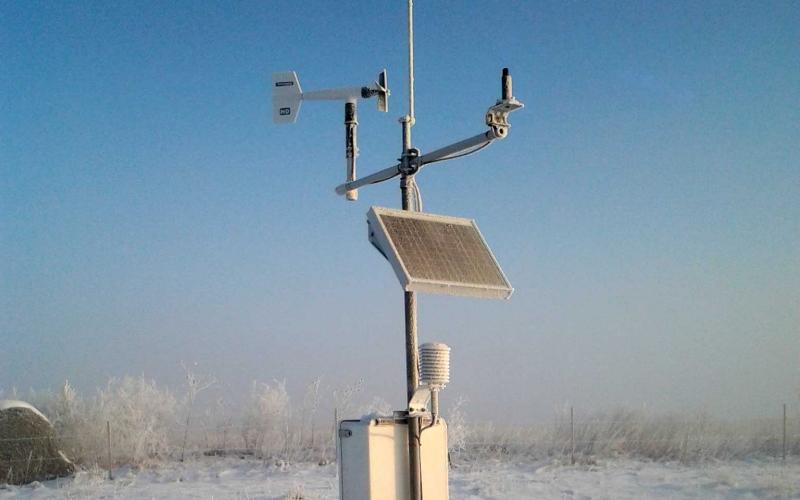
SDSU Extension and South Dakota Mesonet team up to release the Livestock Stress Tool
November 18, 2021
Weather conditions in the Northern Plains can present many challenges for livestock producers. Farmers and ranchers need to be prepared for rapidly changing conditions to provide the best care for their livestock and minimize their risk of losses.
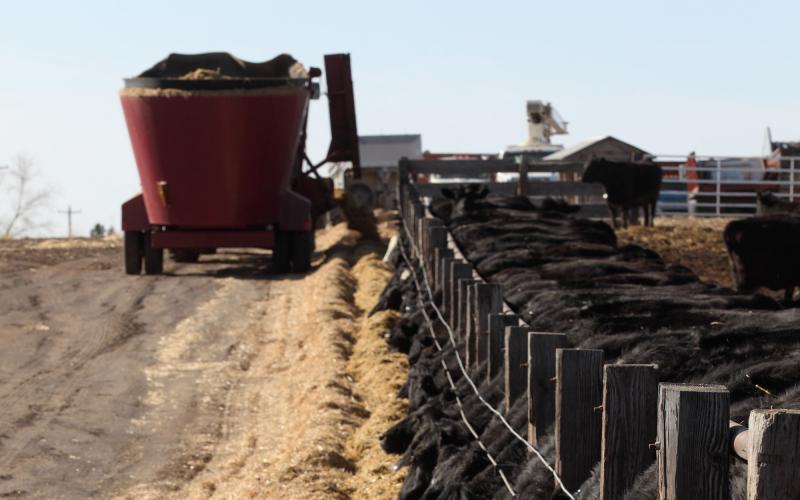
What Goes Into Calculating Yardage?
Yardage cost is the non-feed cost per head for every day that an animal is fed harvested feed in some form of confinement. Yardage is usually associated with calves and yearlings in the feedlot, but this concept can apply to drylotted or wintering cows as well.
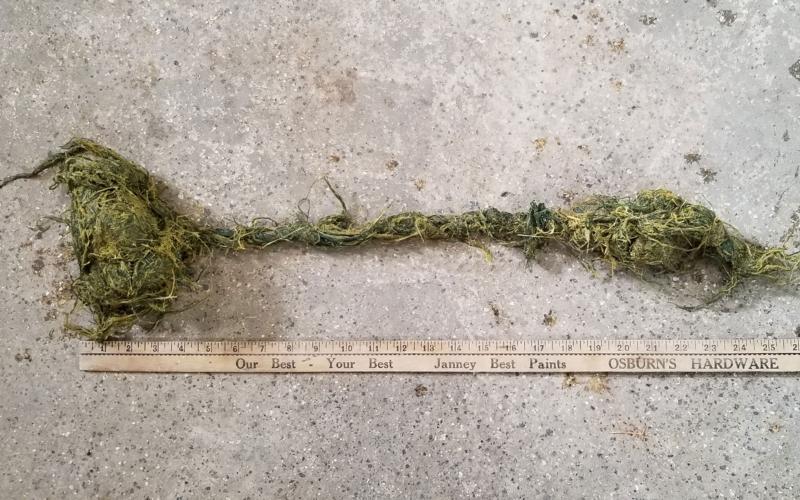
Summary of Forage Binding Survey and Current Net Wrap Research
Recently, cattle producers and veterinarians have become more concerned with the possible ingestion of net wrap or twine from hay bales and the negative impacts it could have on cattle health and performance.
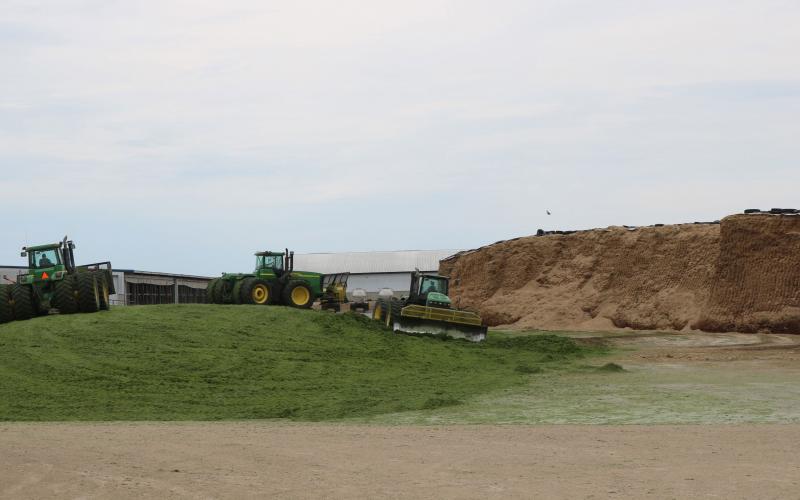
Harvesting Silage on a Wet Year: Moisture is Critical
Fall is on its way in South Dakota. However, with many flooded and saturated fields, some producers are growing concerned that there will be little opportunity to harvest silage before corn dries down past desired moisture levels or frost occurs.

Harvesting High-Moisture Corn and Earlage
Producers who raise both corn and cattle have the option of harvesting some or all of their corn acres as a high-moisture grain crop to be marketed through cattle. There are several advantages to harvesting corn earlier at a high-moisture content.
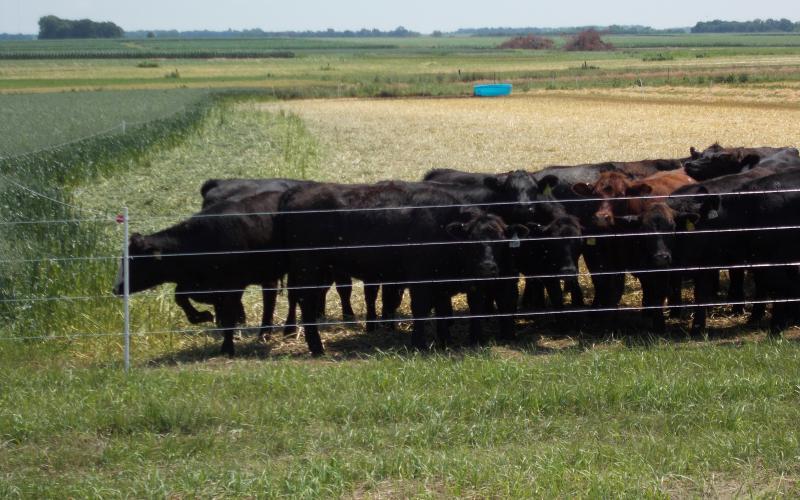
Weaning Calves on Cover Crops
What do we do if it is time to wean calves, but the pen isn’t ready? That can be a real concern during wet fall seasons, such as 2019. Putting calves into muddy pen conditions is far from desirable, but holding calves on the cows deep into fall increases the risk of adverse winter weather and tends to pull body condition off the cows.
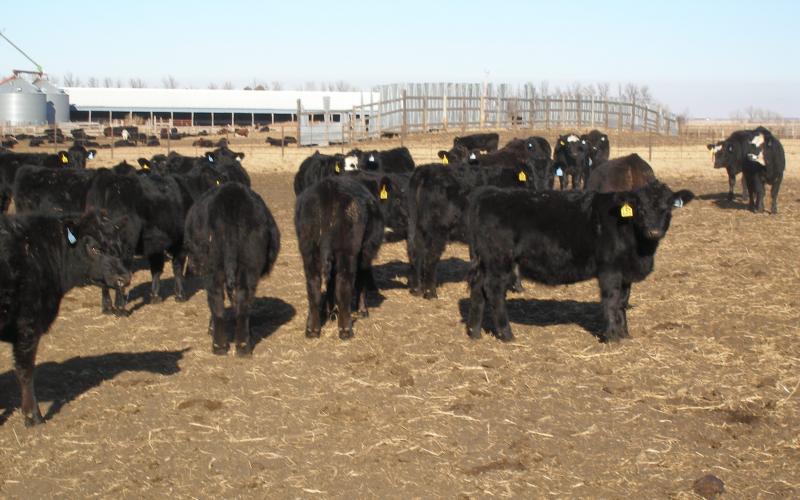
Choosing the Right Custom Feeding Partner
Custom cattle feeding can be a “win-win” strategy when done correctly. Feeding someone else’s cattle provides a method to market feedstuffs without tying up the capital required to own the livestock.
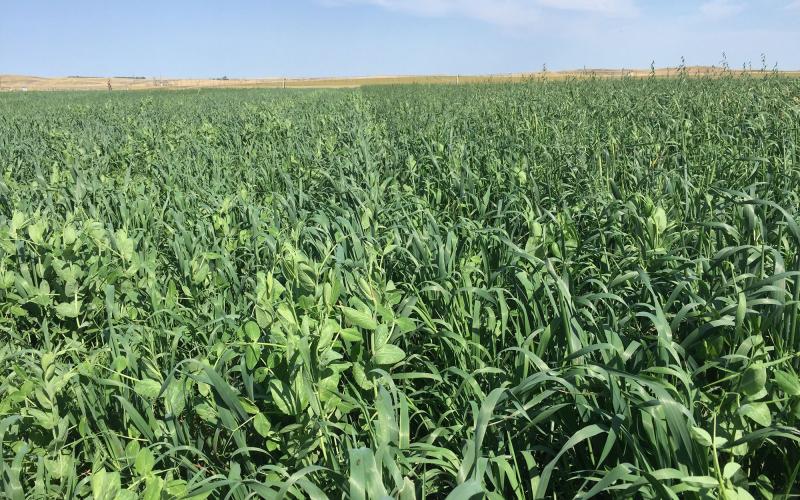
Peas Offer Options in 2020
Current events have made decisions around crop options very difficult this spring. Field peas are an option that may have a fit for some producers.
Evaluating Feedstuffs on Nutrient Cost-Comparison Basis
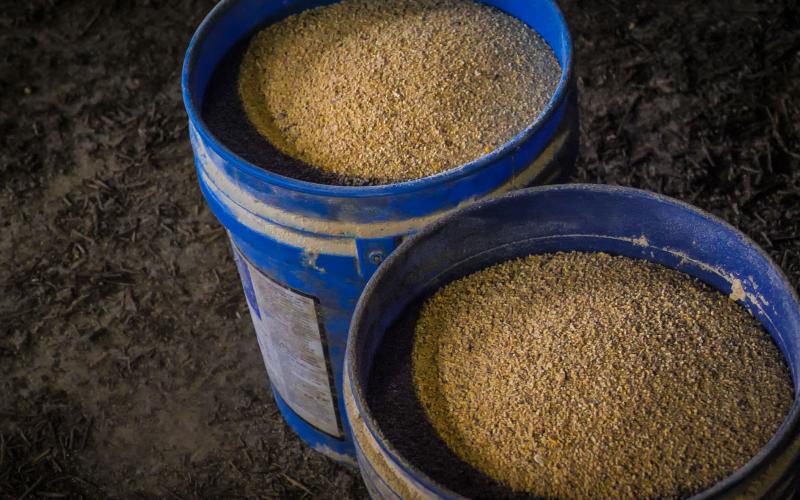
Feed costs in dairy diets typically make up half or more of the input expenses of a ration. Thus, it is imperative to keep a handle on input costs by comparing ingredients on an apples-to-apples basis when looking for cost-effective diet solutions.