Search
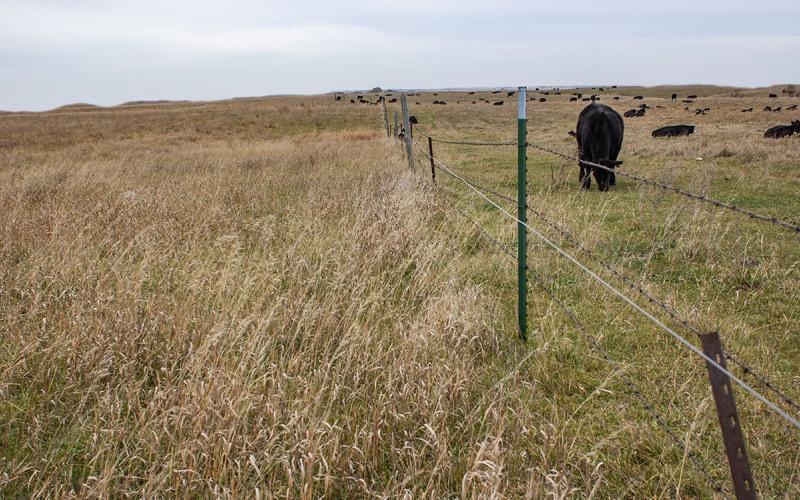
Reading the Range: Range readiness, grazing timing and drought considerations
Grazing timing is key when managing rangelands during a drought. Learn how to determine grazing readiness for different plant communities found throughout pastures and rangelands.
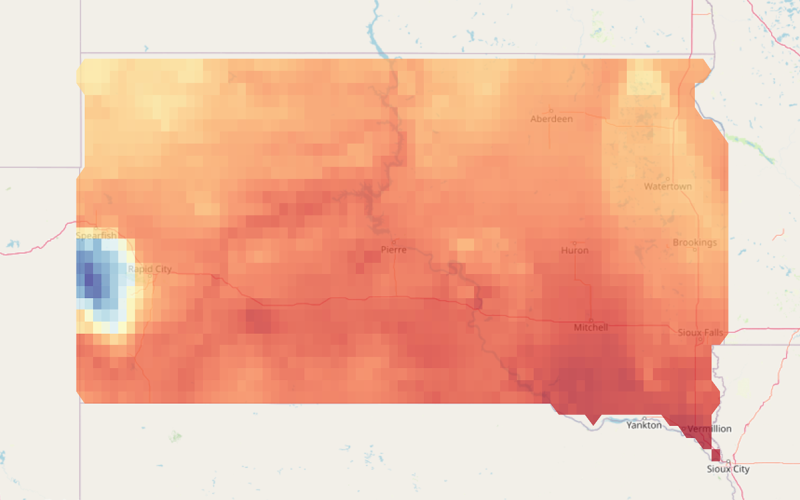
South Dakota Grazing Readiness Spring Turnout Map
The South Dakota Grazing Readiness Map uses historical climate data to provide livestock producers with a range of spring turnout dates for their location based on grass type.

April Ag Economic Dialogues Discusses Carbon Credit Contracts
April 08, 2022
SDSU Extension will host the next Ag Economic Dialogues webinar on April 15 at 10 a.m. CDT. The April webinar will cover how to evaluate carbon credit contracts.
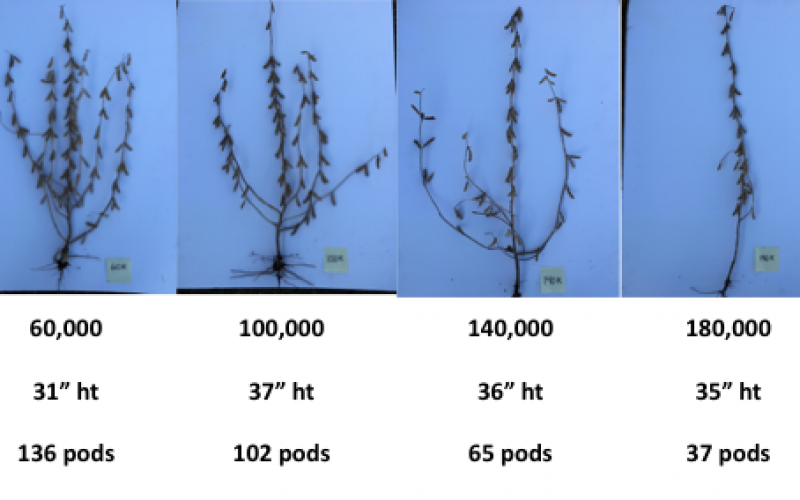
Soybean Planting Population: A Review
There have been reports in recent years that agronomists in states such as Iowa, Nebraska and Wisconsin have observed success when reducing soybean planting populations.
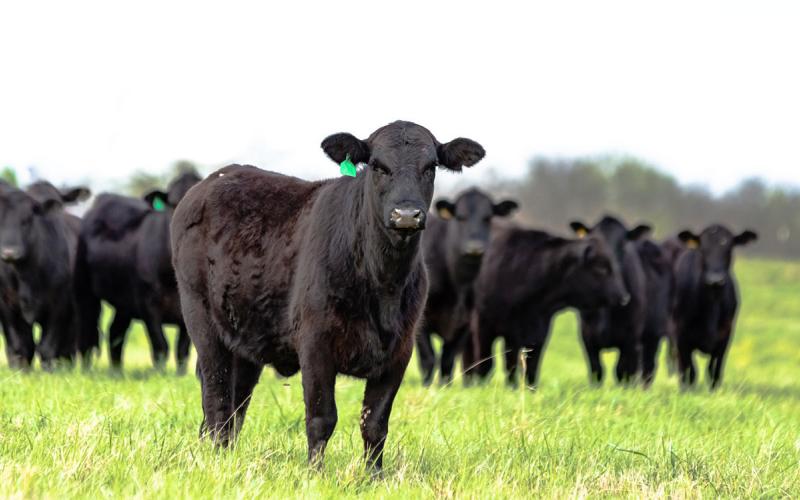
Can Early Weaning Benefit First-Calf Heifers?
First-calf heifers pose specific challenges for cattle producers. Learn how strategic weaning decisions can impact the performance and profitability of this challenging group.

Beef Day - Update on Reproductive Research at SDSU
On today’s episode, former cow/calf field specialist, Olivia Amundson sits down with Dr. Julie Walker and Dr. Saulo Zoca to discuss some of the current reproductive research that has been going on at SDSU.
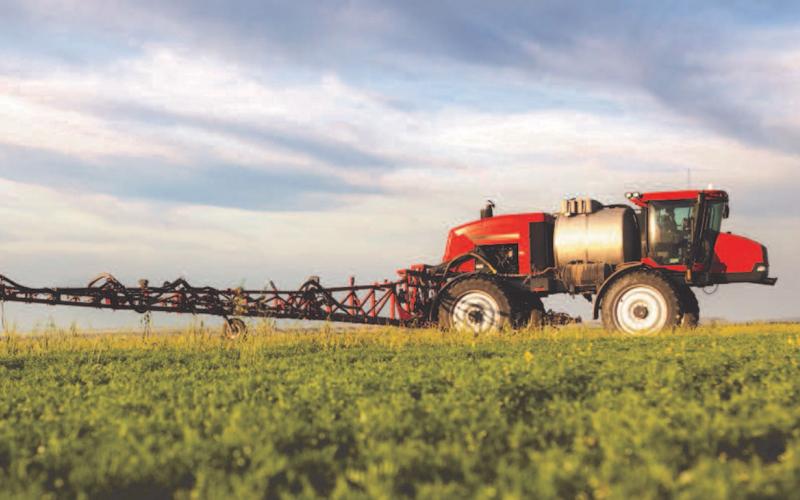
Boom Sprayer Calibration
Fact sheet on calibrating a boom sprayer to minimize damage to plants and reduce environmental impact
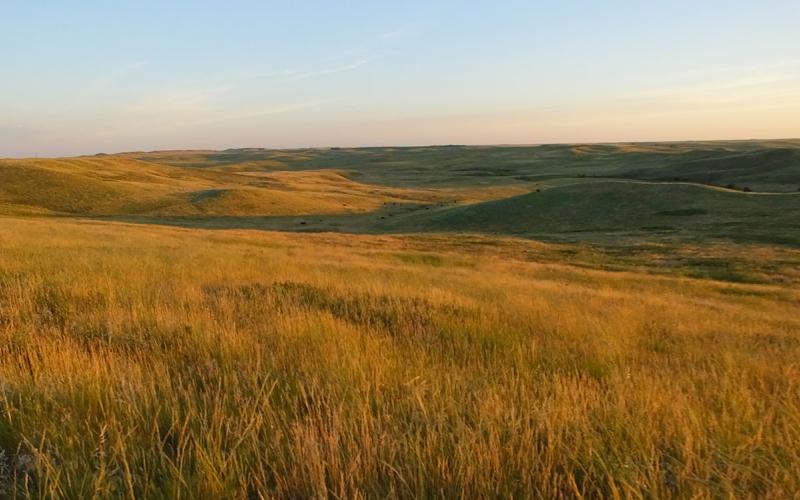
Factors That Influence Plant Development and Growth
Year-to-year variability in climate can result in large swings in annual forage production for livestock producers. Learn some key considerations to observing and mitigating the effects of this variability.
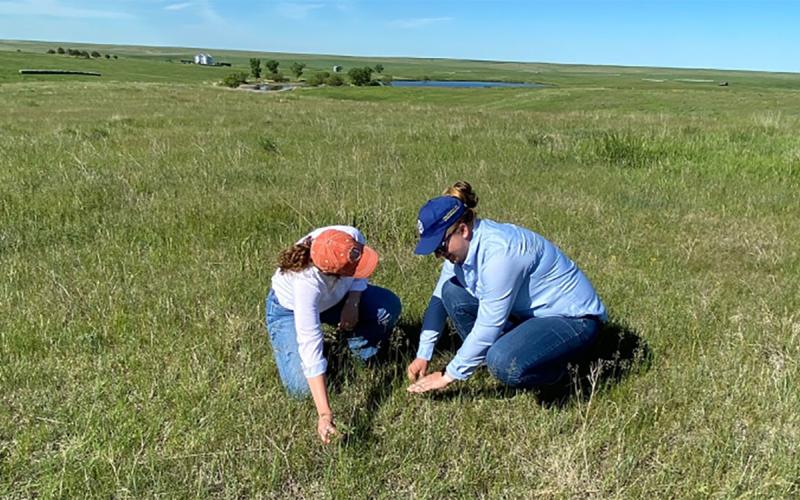
Women on the Range workshop on social media set for Aug. 17
July 24, 2023
SDSU Extension will host a Women on the Range - Leveraging Social Media workshop at approximately 9 a.m. and lasts until 5 p.m. MT on Aug. 17, 2023, at the 777 Bison Ranch near Hermosa, South Dakota.
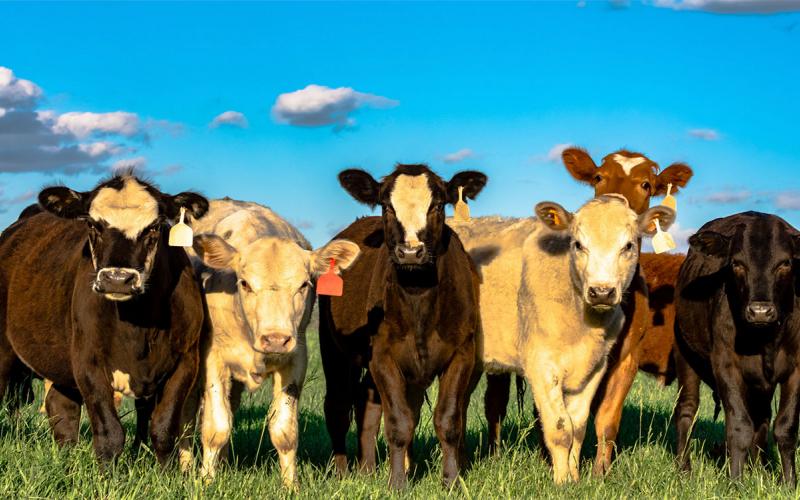
Synchronization for Natural-Service Breeding Programs
Similar to synchronization with artificial insemination, the benefits associated with natural-service synchronization are similar: a concise calving distribution with the potential for heifers to be serviced twice in about 30 days versus twice in 40 days.