Search
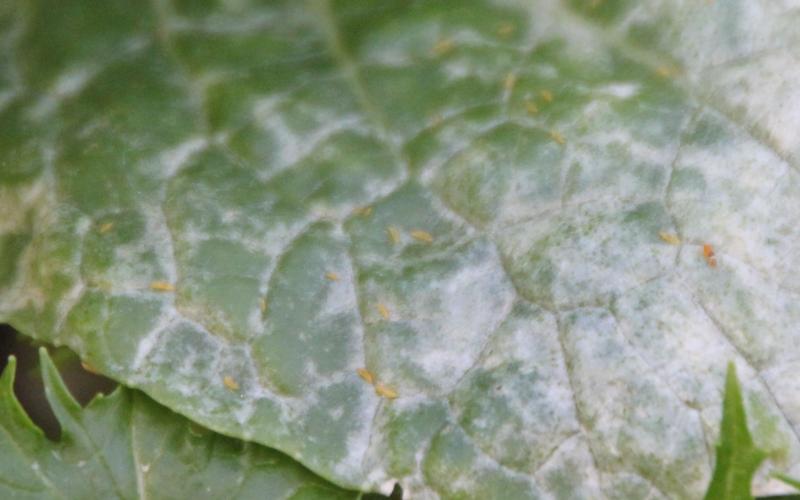
Watch Out For Houseplant Pests
Aphids, mealybugs, whiteflies and scale may be the most common insect pests that you will find on your houseplants but there are several other pests and problems you should watch out for.
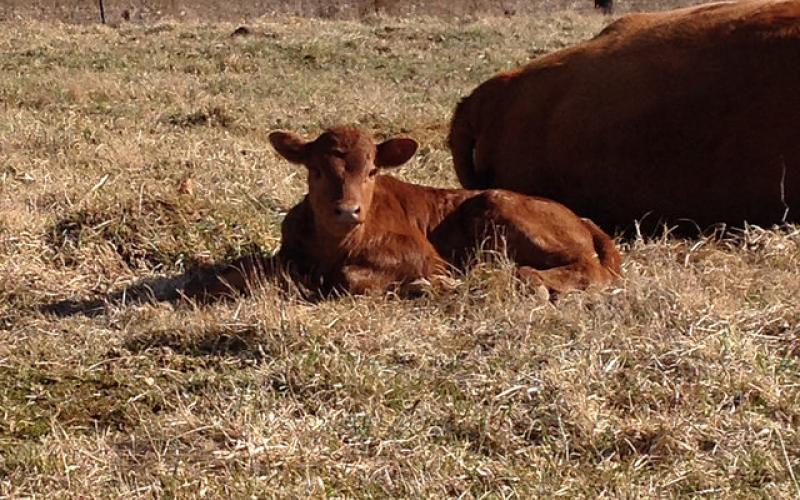
Early Weaning as a Drought Management Strategy
Successfully managing drought conditions requires balancing the amount of forage demanded by grazing livestock with the amount produced.
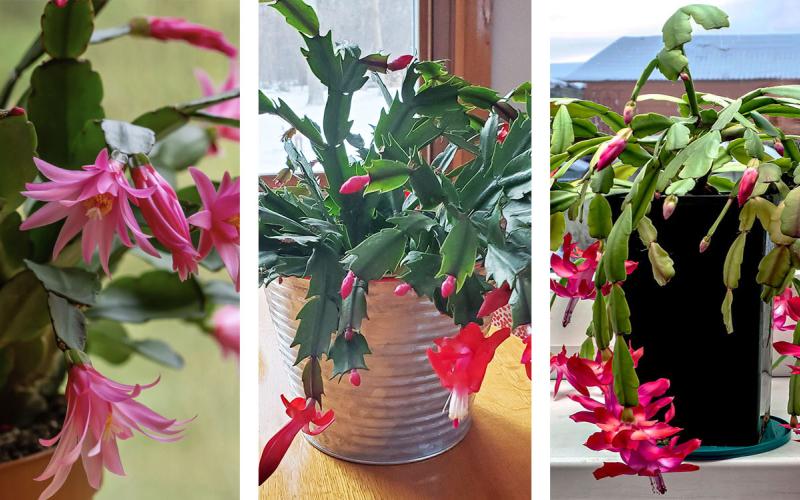
A Cactus for Every Holiday: Caring for This Popular Indoor Plant
Many people may not realize that there are three distinct species of holiday cacti: Easter, Thanksgiving and Christmas. This article explains the different types of holiday cacti and how to care for them.
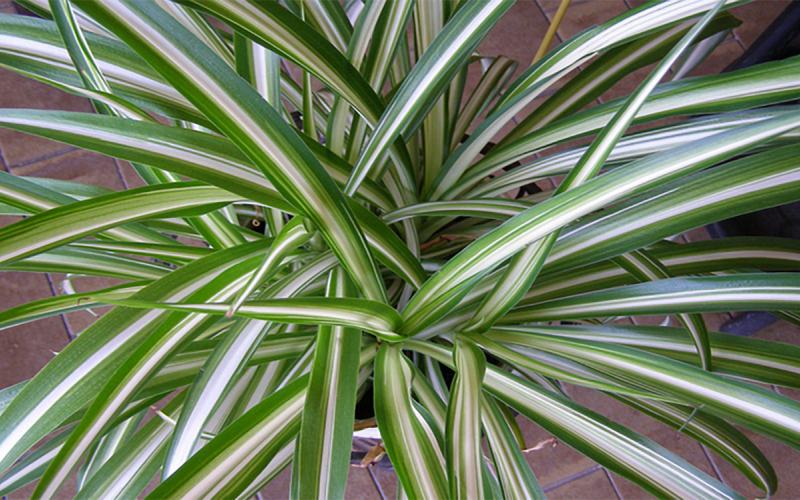
Spider Plants: Houseplant How-To
Spider plants are easy to grow, mature fast, help purify the air, and make a great focal point as a hanging plant. Learn how to take care of them in this "House Plant How-To" article.
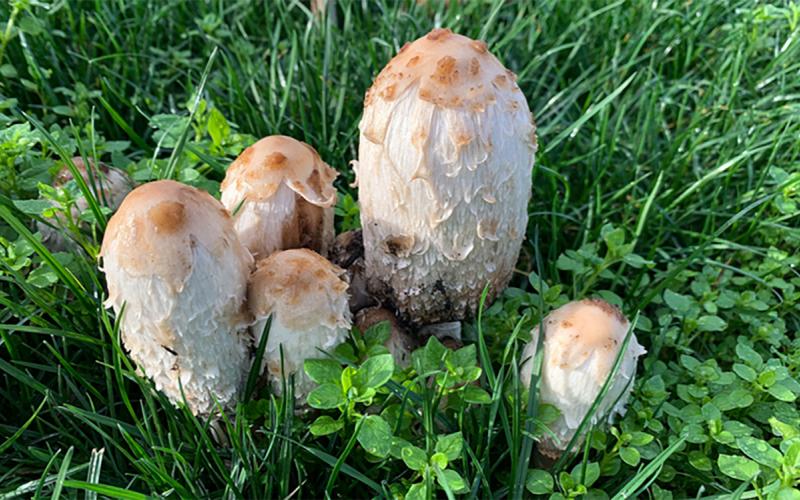
Managing Mushroom Growth in Home Lawns
While mushrooms can be fascinating to observe, their presence in your yard may indicate underlying issues that require attention. Learn some tips on how to effectively get rid of them and maintain a healthy, mushroom-free lawn.
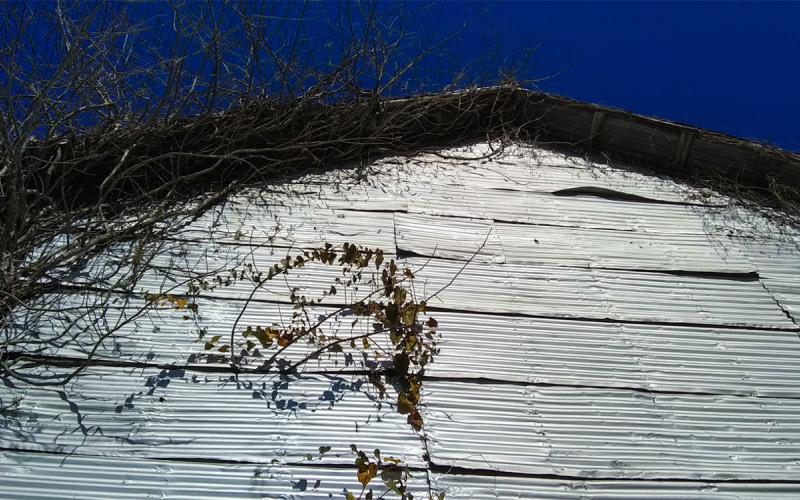
Wind Damage to Pole Barns: Things To Know
Windstorms can cause significant damage to agricultural structures, including post-frame buildings, also known as pole barns. Learn some expert tips for protecting, inspecting and repairing these structures in the aftermath of a storm.
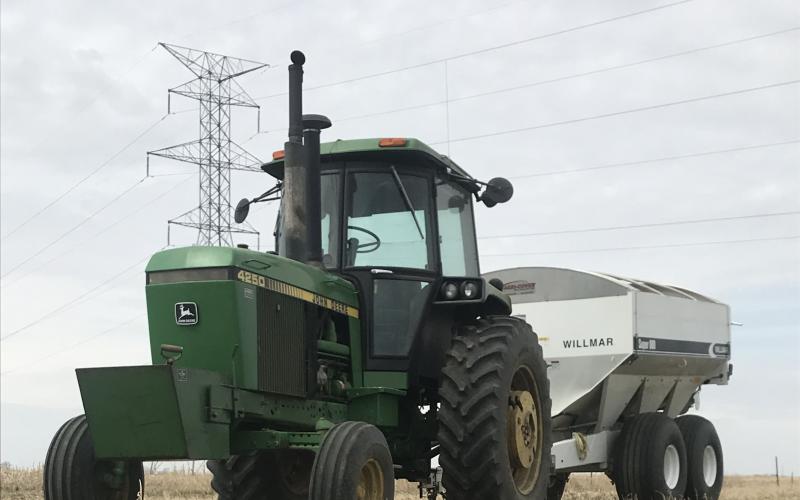
SDSU Extension February Crop Hour Series to Conclude with Focus on Forages
February 10, 2021
Forages are the foundation to many livestock feeding systems, providing nutrients, energy, protein, digestibility, fiber, minerals, vitamins and more.

SDSU Extension Hosts Youth AI Day Camp in Grant County
April 13, 2021
Twenty-one South Dakota 4-H youth involved in the beef project area traveled to Milbank to participate in the SDSU Extension Youth AI Day Camp held March 20.
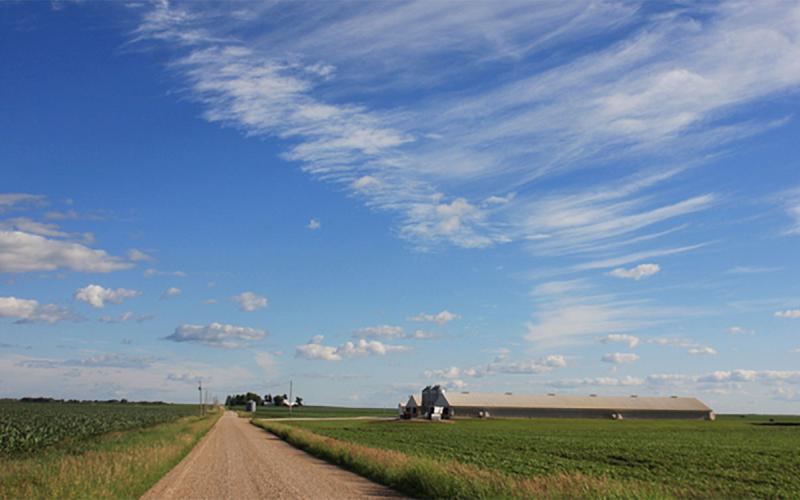
SDSU Pork Cares Farm Impact Report 2022
SDSU's Pork Cares Farm Impact Report details the efforts and practices employed by pork producers to promote sustainable agriculture, including environmental impact, social responsibility, and economic viability.
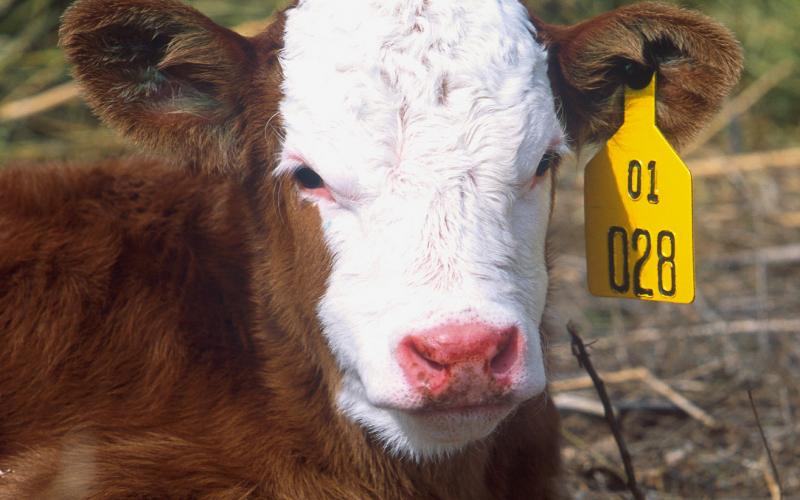
Economic Considerations for Early Weaning
There is an excellent reason why ranchers use early weaning as a drought management tool: Weaning calves early reduces the amount of feed required to maintain the cow.