Search
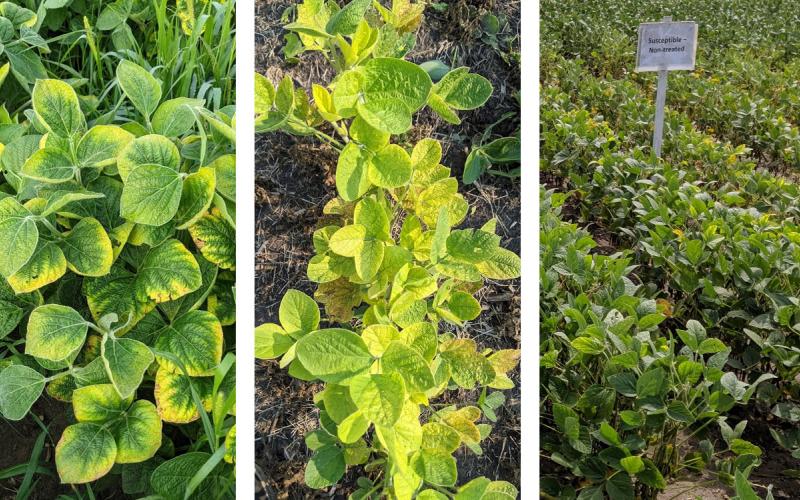
What Is Causing Soybeans to Yellow at This Time?
Recently scouted soybean fields were observed with yellowing plants, and one field was found to have plants dying prematurely. Learn some of the factors that may cause soybean plants to yellow at this time in the growing season.
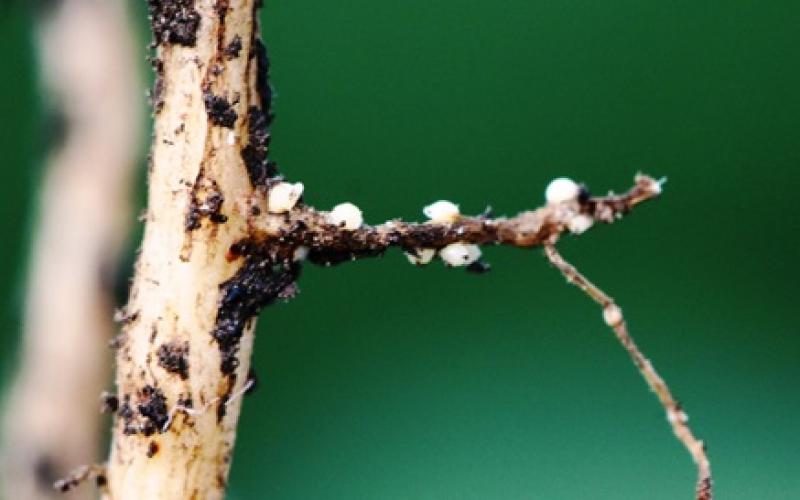
Soybean Cyst Nematode in South Dakota: History, Biology, and Management
Factsheet about Soybean Cyst Nematode history, biology and management in South Dakota
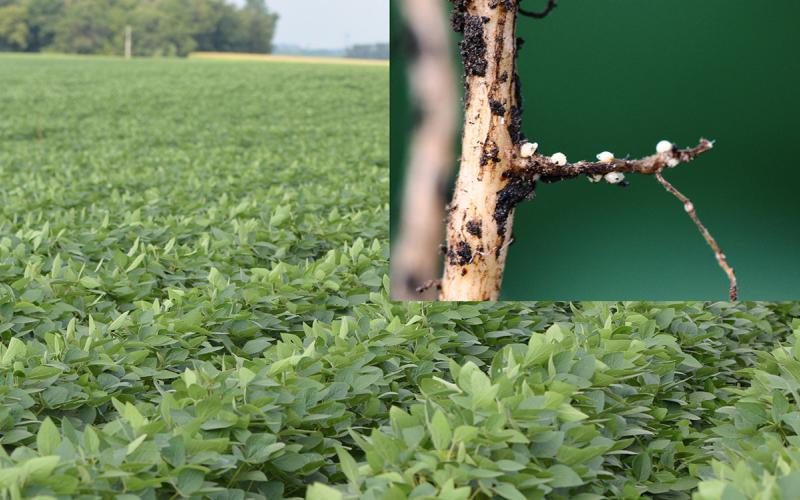
Drought Conditions May Increase Soybean Cyst Nematode Population in Soil
Moisture stress coupled with above-normal temperatures have been linked with increased soybean cyst nematode populations in the soil. In order to keep populations in the soil below the yield-reducing levels, there are a few management practices which can be used.
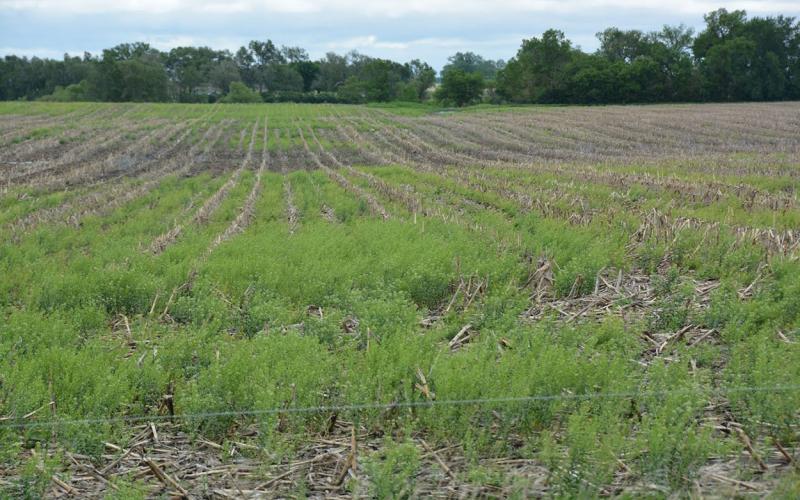
Soybean Cyst Nematode Management Plans Should Include Proactive Weed Management
While soybean cyst nematode can be managed through use of resistant varieties and crop rotation, presence of alternative weed hosts can negate the benefits of these practices by providing a host for soybean cyst nematode to continue to accumulate in the soil.
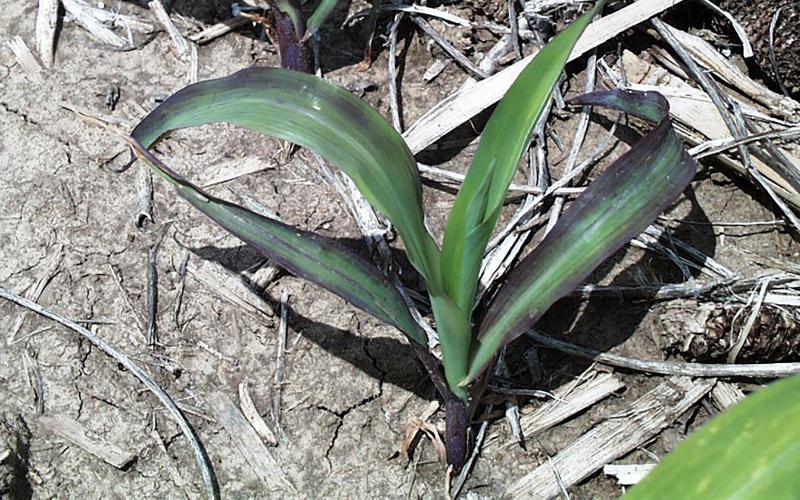
Fallow Syndrome: What is it and how do I deal with it?
Fallow syndrome received its name from the dry plains states, where fields routinely benefited from the additional moisture available after a year where the ground was fallowed. Corn sometimes had symptoms of phosphorus deficiency when grown on this previously fallowed ground, thus it received its current name, “fallow syndrome.”
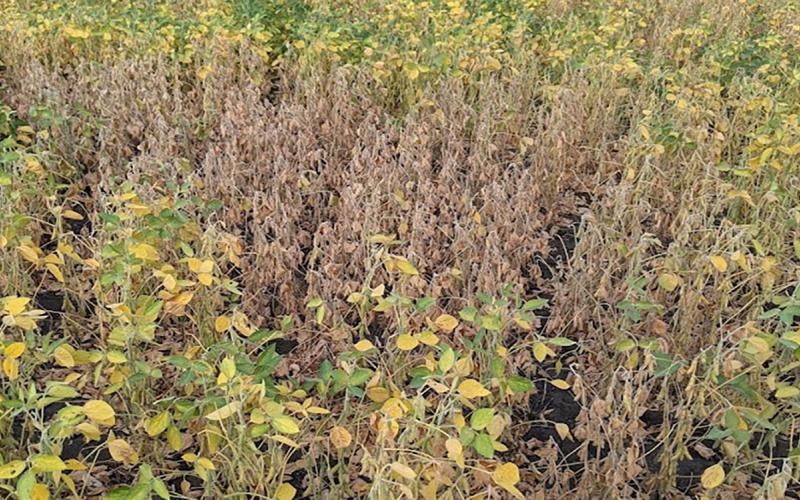
Charcoal and Fusarium Rots Observed in Early Senescing Soybean Plants
The drought conditions in South Dakota have led to early soybean senescence in some areas. However, some of the early senescing may be due to dry-season diseases, such as charcoal and Fusarium rots.
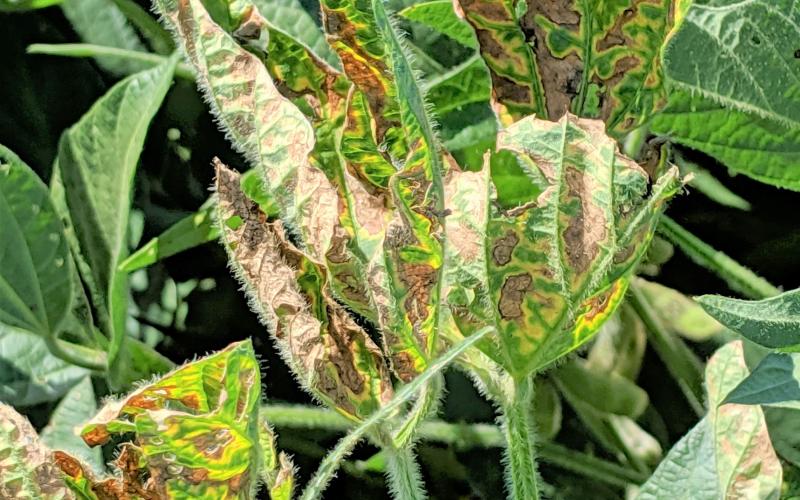
Sudden Death Syndrome Starting to Develop in Soybeans
Sudden death syndrome of soybean is starting to develop in soybean fields in South Dakota. Fields currently being found with sudden death syndrome have symptomatic plants scattered within the field, but continued disease development may lead to larger clusters of infected plants.
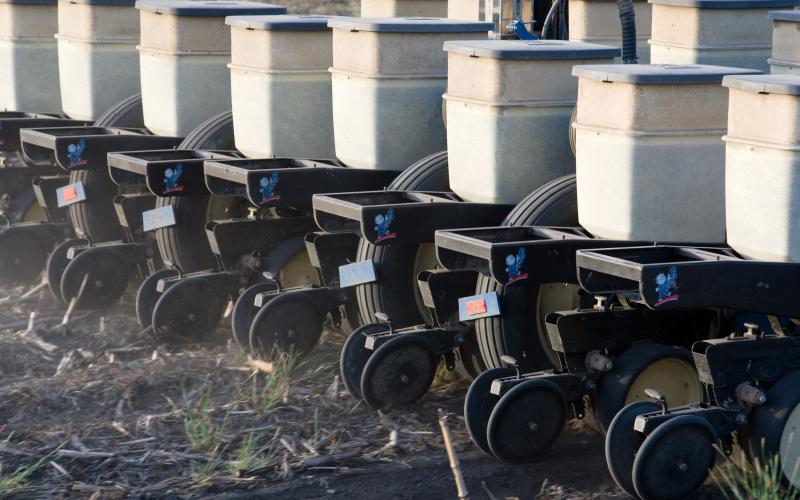
Fungicide Seed Treatment Considerations for 2019
With the excessive soil moisture and flooding that has occurred throughout South Dakota, growers may be thinking about using a fungicide seed treatment this planting season.
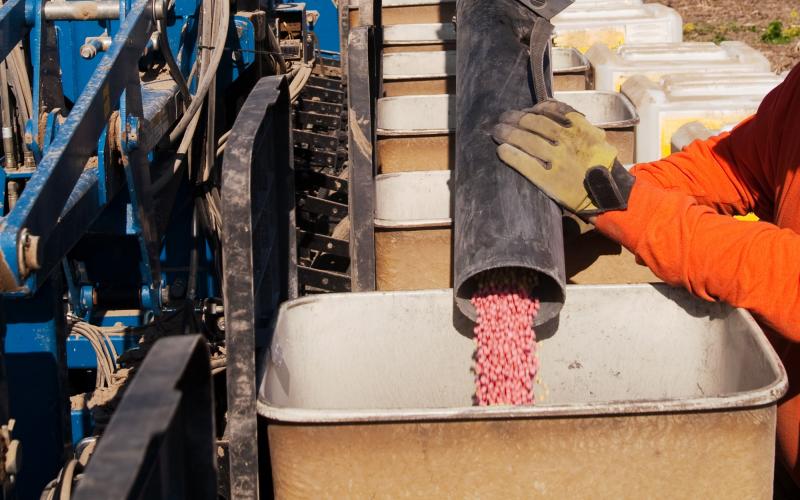
Pre-Plant Disease Management Considerations
If the forecast holds true, it looks like it is going to be another year of excessive soil moisture and possible flooding come this spring. The increased level of soil moisture has implications with regards to plant stand establishment as well as root rot and nematode infestations.
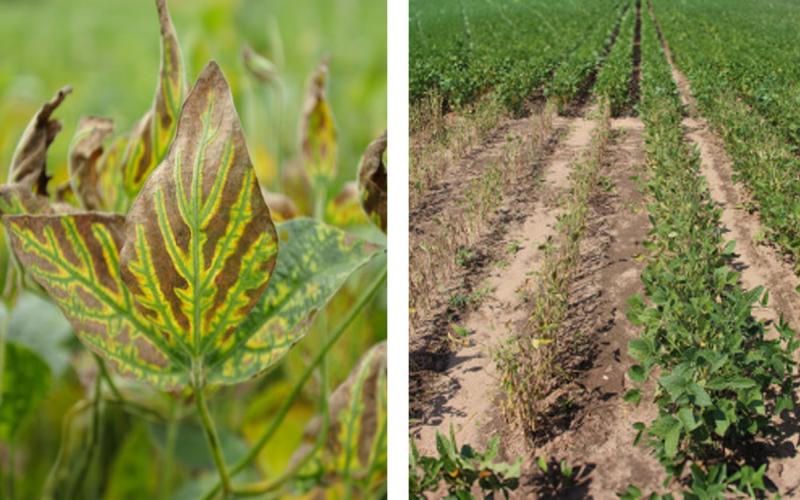
Are You at Risk for Sudden Death Syndrome in Soybean?
The present weather conditions of heavy rainfall and cool temperatures provide a favorable environment for sudden death syndrome in soybeans. Learn some expert tips for identifying and managing it this growing season.