Search
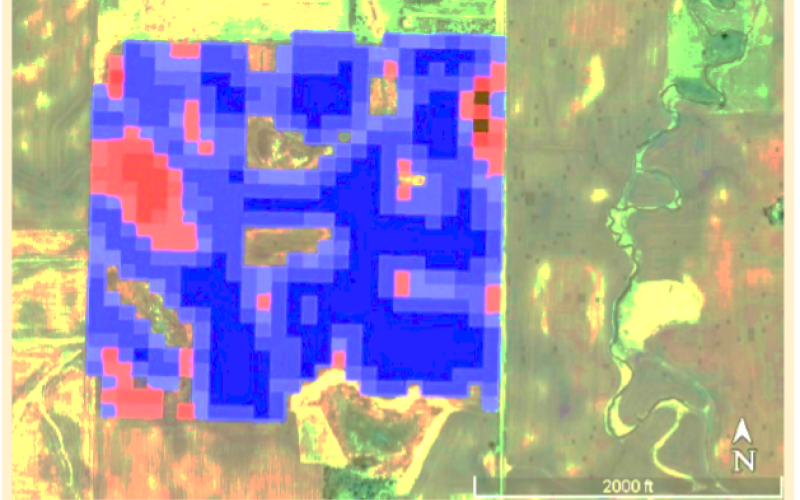
Satellite Farming: Download, Detect and Decide with Multispectral Imagery
Fact sheet about the benefits and accessibility of using multispectral imagery (MSI) from satellites and NDVI maps in modern farming.
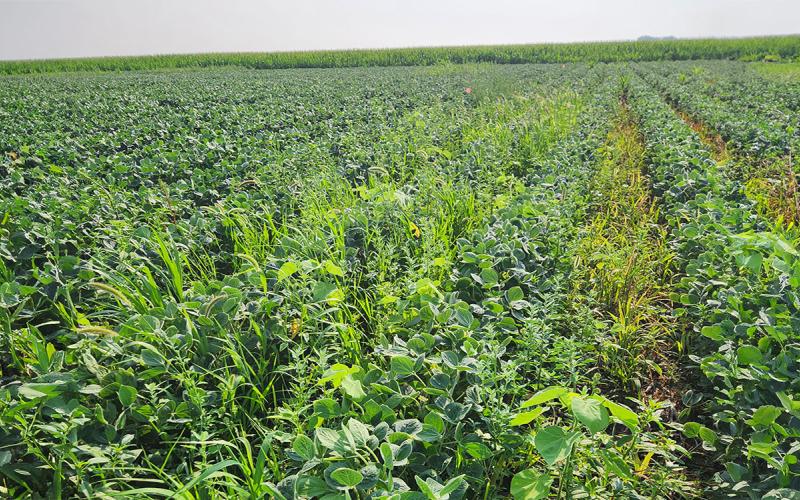
Suspect Herbicide Resistance in Your Fields? SDSU Can Help!
Submission form to screen weeds for herbicide resistance in South Dakota.
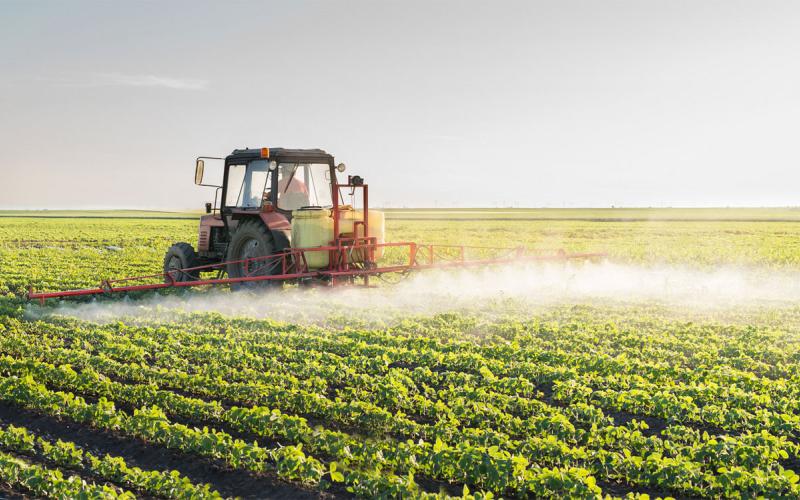
Current State of Row Crop Weed Management in South Dakota
Results of an online survey to determine how South Dakota stakeholders are currently managing row crop weeds.
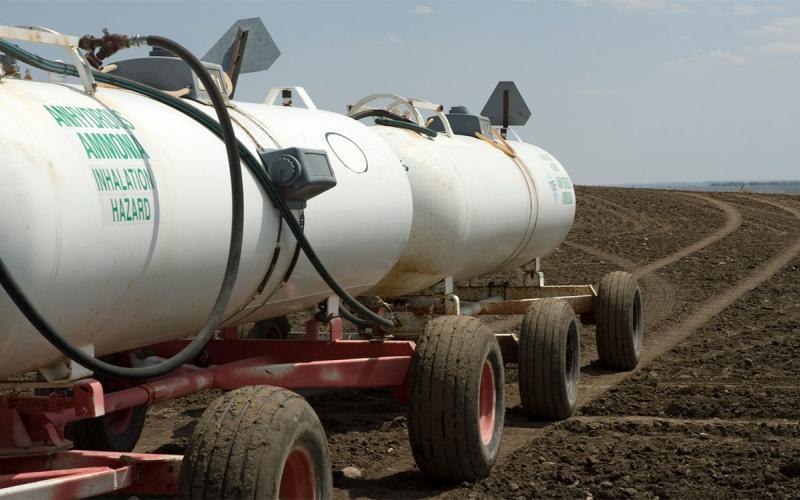
Starter Fertilizer Calculator and Final Report
Decision aid to assist crop planners in selecting the maximum safe fertilizer rate that can be applied with the seed for various crops.
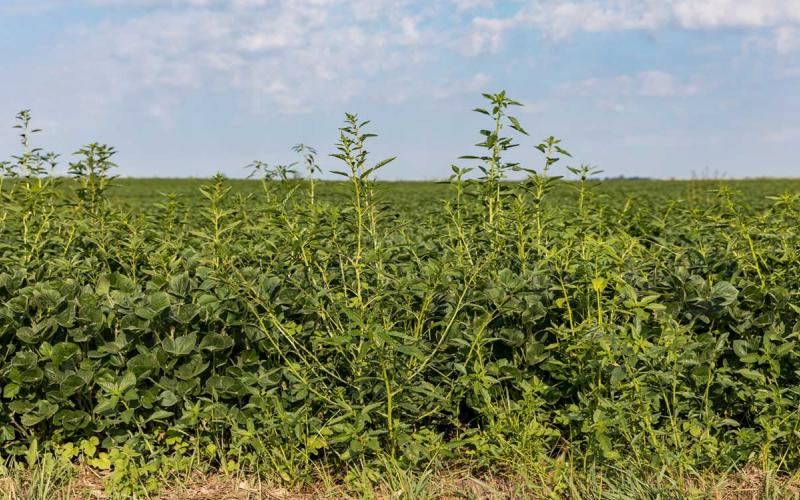
Enlist One (2,4-D) and Liberty (Glufosinate) Applied Alone or Mixed During the Day and Night: Weed Control and Soybean Yield Implications
Fact sheet on the research done to determine weed control effectiveness with Enlist One and Liberty alone and tank mixed when applied during the daytime and nighttime.
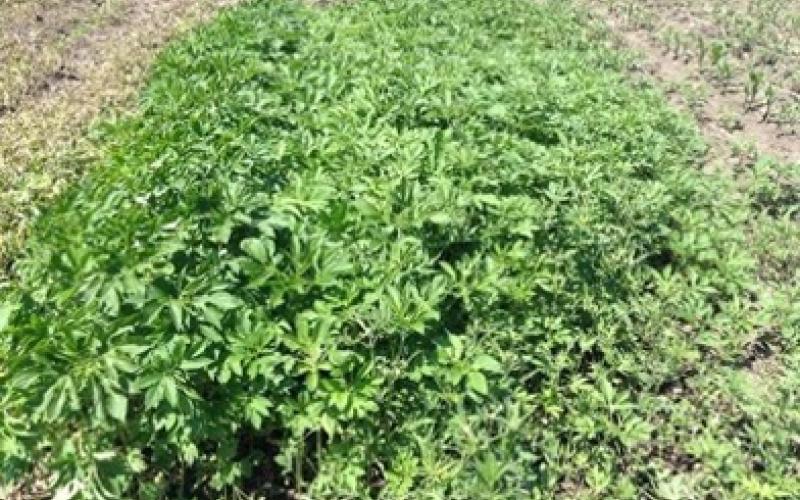
Identification and management of common ragweed and giant ragweed
Fact sheet to help identify and manage common ragweed and giant ragweed.
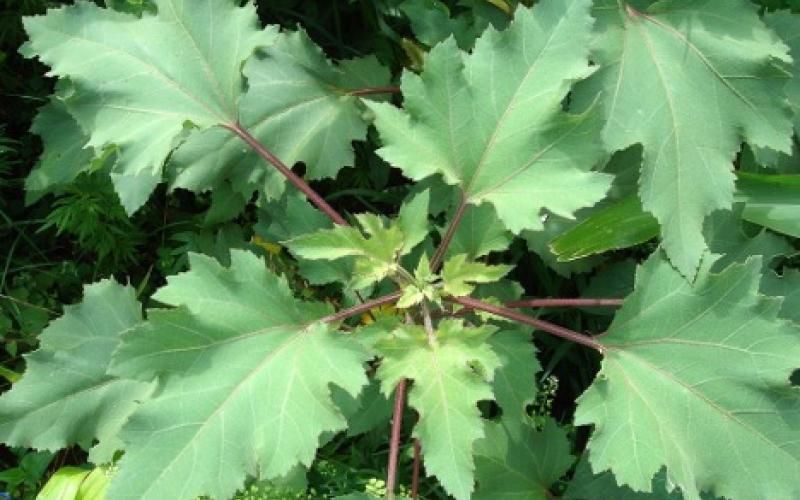
Identification and management of common cocklebur
Fact sheet to help identify and manage common cocklebur.

Integrating Living Mulch on Vegetable Farms in South Dakota: 2024 Results
Research report determining the impact of two established clover species on weed suppression, crop growth, and yield of severable brassica species.
Application to Chaperone South Dakota 4-H Youth Trips
Information about how to become a chaperone for South Dakota 4-H Youth Trips.
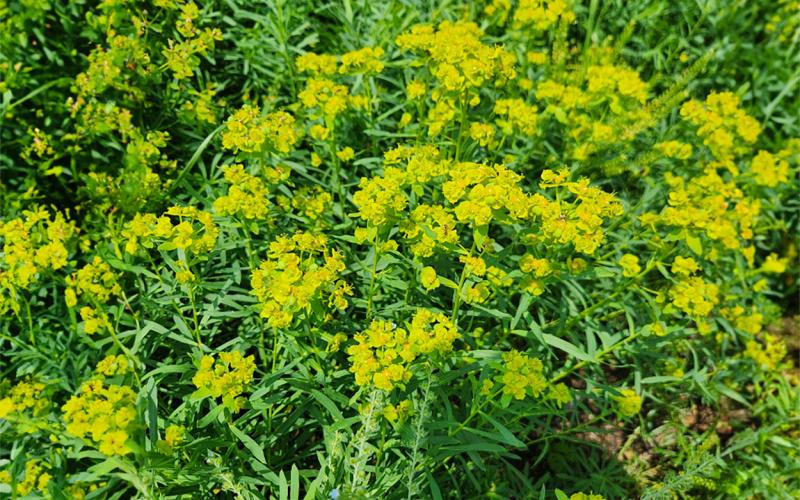
Effects of 2,4-D with and without wiper-applied glyphosate on leafy spurge (Euphorbia esula) treated-shoot, shoot regrowth, and root biomass
Fact sheet on the effects of 2,4-D with and without wiper-applied glyphosate on leafy spurge.