Search

Move the Cows or Move the Feed
This calculator is designed to aid producers making the decision to buy feedstuffs and haul the feed to the operation, or to haul the cattle to the feedstuffs.
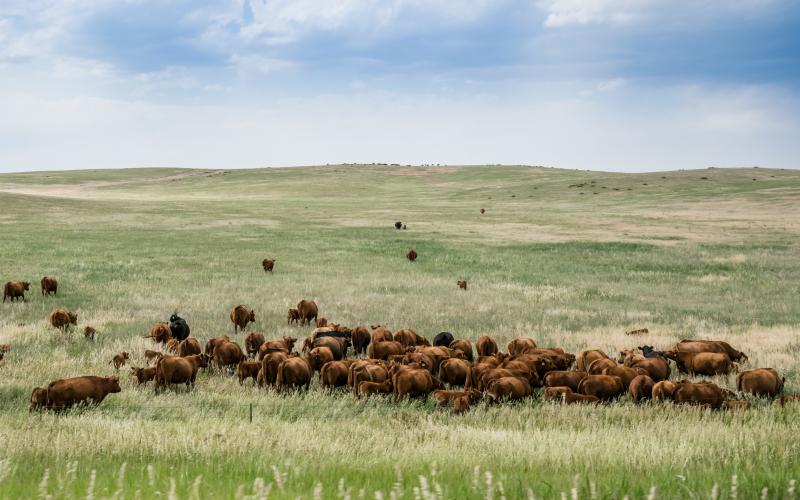
Management of Body Condition Score throughout the Year
Body condition scoring (BCS) is a visual indicator of past energy status of cattle and a method that can be used to monitor nutritional status of the cow herd.
South Dakota Agricultural Land Market Trends
The 2026 South Dakota State University (SDSU) Extension Farm Real Estate Market Survey is the 36th annual survey of agricultural land values and cash rental rates by land use and quality in different regions of South Dakota.
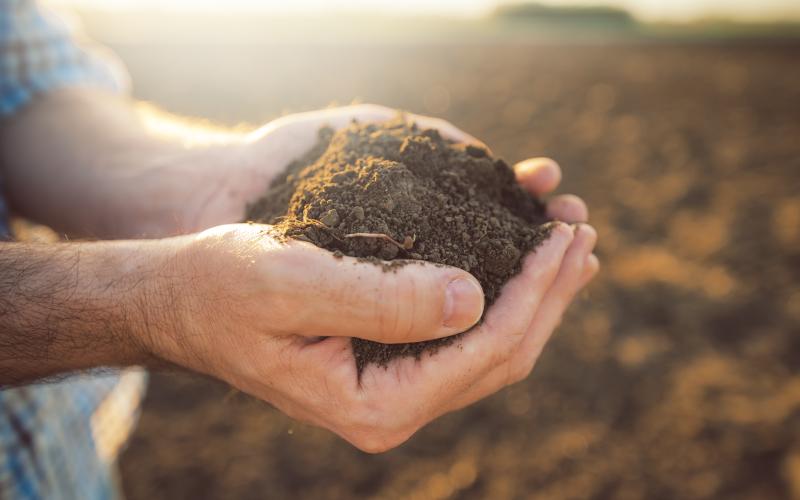
Recommended Soil Sampling Methods and Instructions
Proper collection of soil samples is extremely important as the accuracy of the soil test depends on the quality of the soil sample provided to the lab.
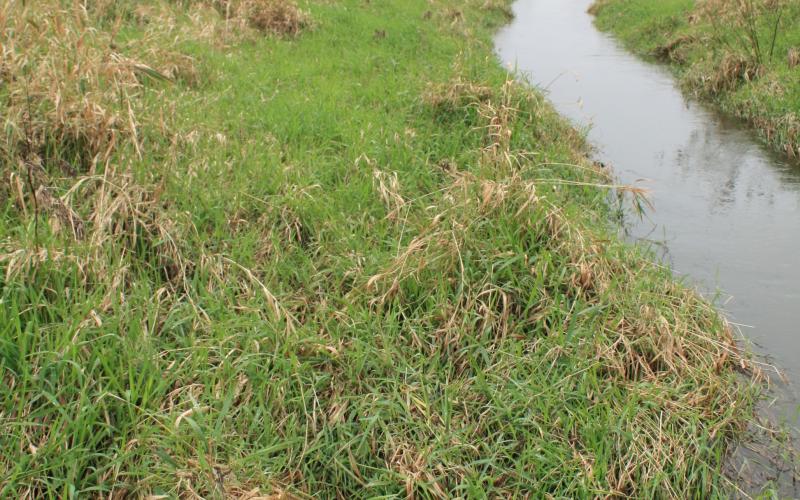
Saturated Buffer for South Dakota
Saturated buffer fact sheet for producers, tile drainage contractors, conservation professionals, other ag professionals.
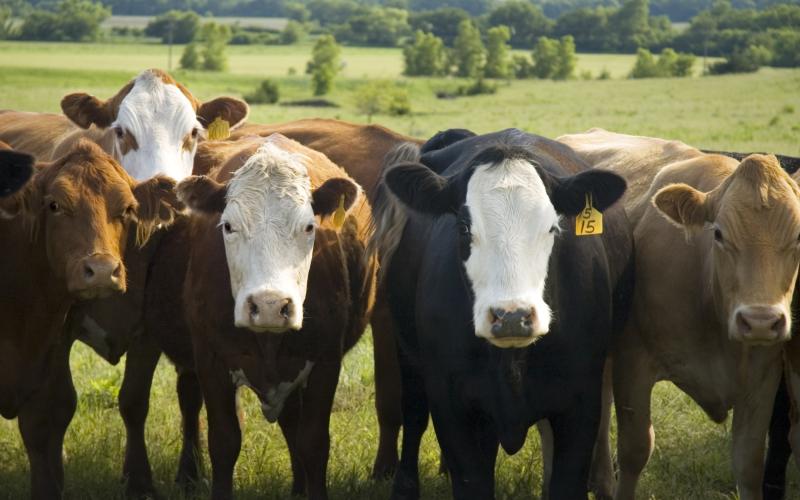
Livestock Vaccines: How They Work and How to Ensure They Do Their Job
Fact sheet about vaccine basics and tips to maintain vaccine viability for cattle producers.
Beef Management & Reproduction Report Card
SDSU Extension tool for producers to track the critical management factors that affect reproductive success in beef cattle.
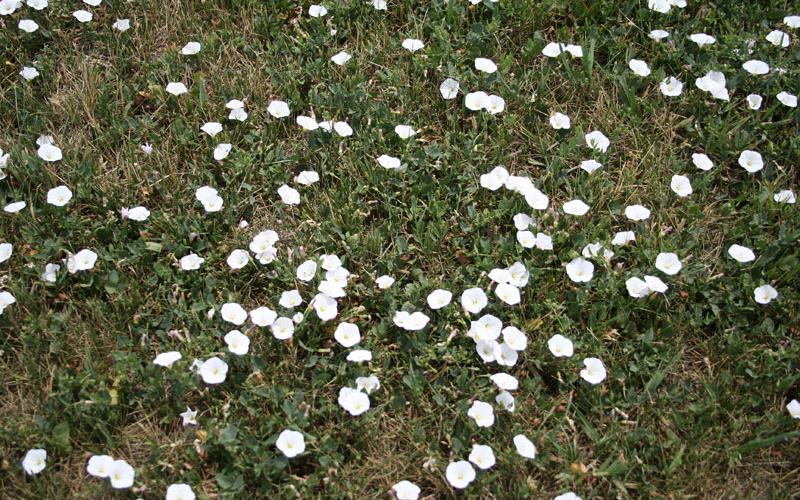
Lawn Weed Control
Cultural weed control practices must be included in weed management programs to optimize control and inhibit re-infestation. A healthy, dense turf cover is the best overall defense against weed invasion. Some common cultural weed control practices include planting the most adapted turfgrass species for your environment (i.e. shade, full sun, or hot, dry conditions), maintaining a mowing height of 2.5–3.5 inches, watering deeply but less frequently, and proper soil maintenance including fertilization and core aerification.

Soil Testing for Vineyards in South Dakota
Not all soils are conducive to growing quality grapes, so prospective vineyard sites should be tested before a decision is made to plant grapes. Tests can identify soils that are either too high in pH, salts, or salinity, or that are “too rich” (too high in organic matter and nitrogen) for grapes. In addition, testing before planting allows for the incorporation of nutrients—such as phosphorus—that do not move easily through the soil to plant roots.
X-Ray Scanning Confirms Soil Health Benefits from Conservation Practices
Summary report of X-ray scanning confirms soil health benefits from conservation practices.