Search
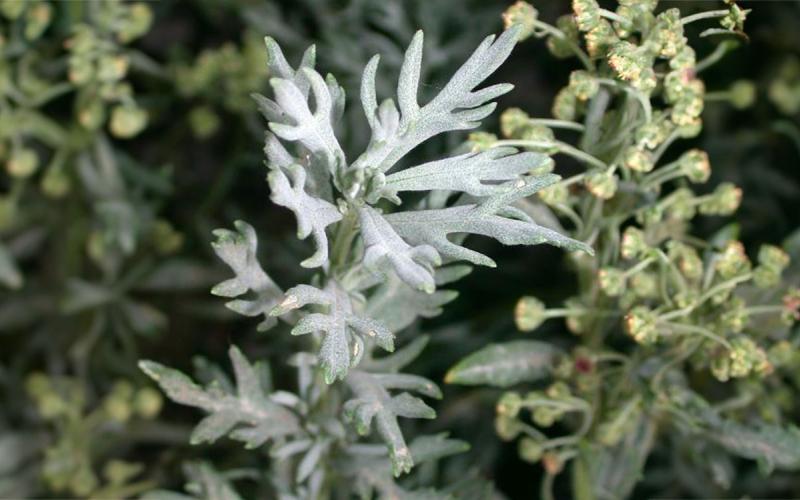
Absinth Wormwood Control in the Spring
Absinth wormwood is a difficult-to-control, noxious weed that can produce great amounts of seed (50,000 seeds per-stem) and spreads only by seed, illustrating the importance of management prior to seed production.
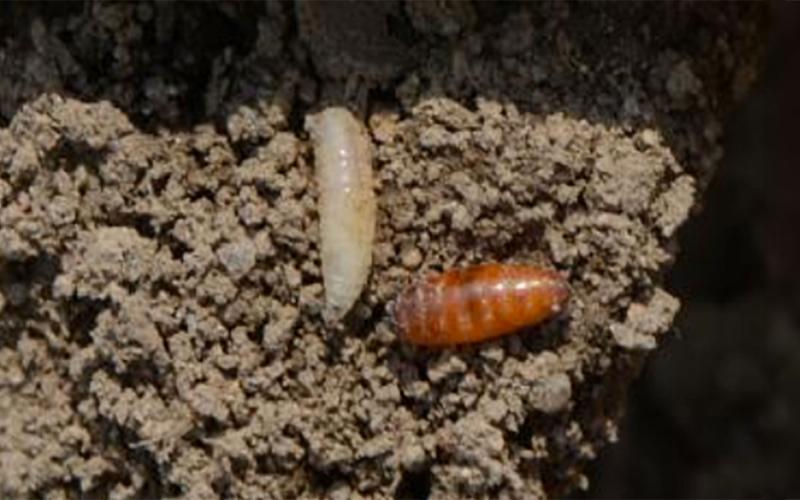
Monitor for Seedcorn Maggots in Wet Planted Fields
Current spring conditions, including wet soil and cool temperatures, could result in seedcorn maggot issues in South Dakota.
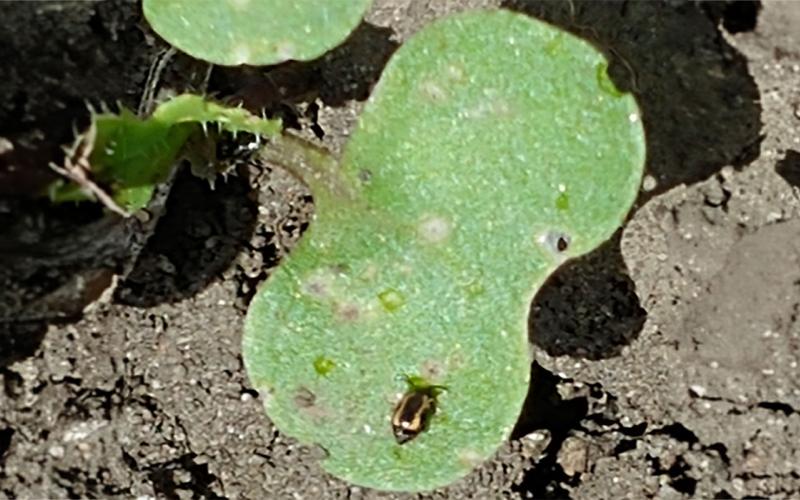
Don’t Forget to Scout Canola for Flea Beetles
Canola emergence is well underway and ahead of emergence at this time in 2023. There are three species of flea beetles that commonly infest canola and feed on the leaves.
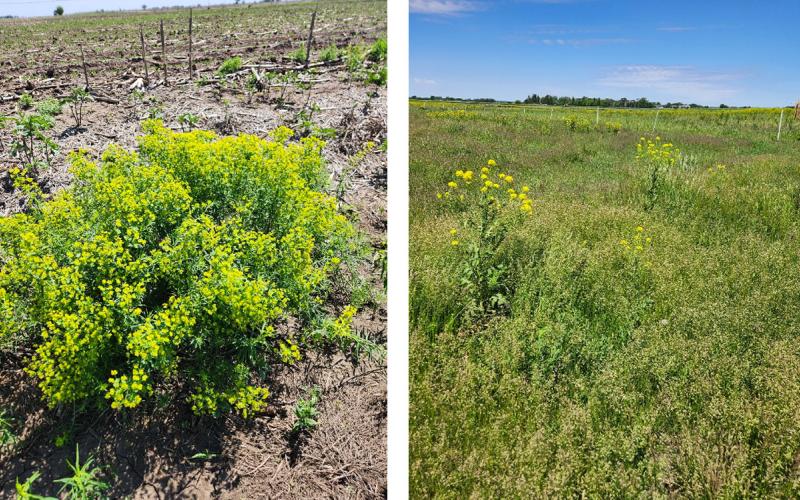
Leafy Spurge or an Imposter?
Leafy spurge is a statewide noxious weed that can be difficult to manage. However, are the recent yellow flowers appearing throughout South Dakota landscapes leafy spurge or another species?

2023 On-Farm Experiences Growing Cucurbits in Newly Established Clover Living Mulch in Eastern South Dakota
Research report determining the impact of two established clover species on weed suppression, crop growth, and yield of squash.

Tan Spot of Wheat
Tan spot is a devastating disease of wheat in South Dakota and the rest of the wheat producing regions world over. It causes an estimated yield loss of about 5 percent in South Dakota but this loss can go up to 30 percent in individual fields.
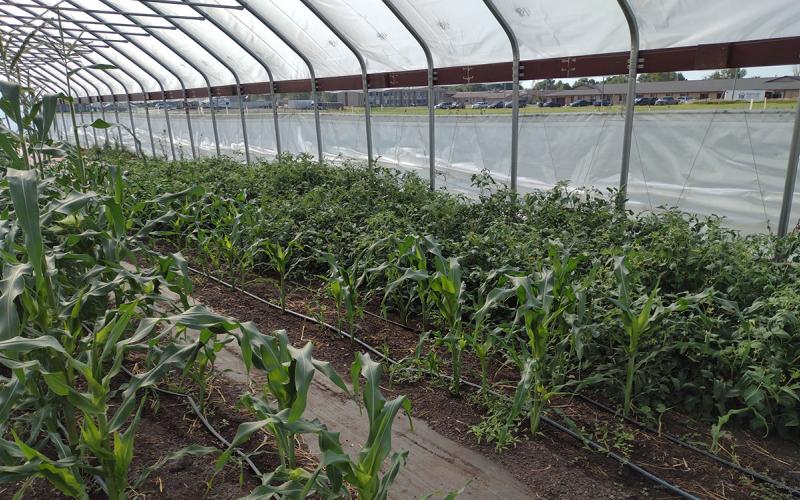
SDSU Extension 2025 Garden Hour series starts May 6
May 02, 2025
/garden-yard/problems-and-solutions
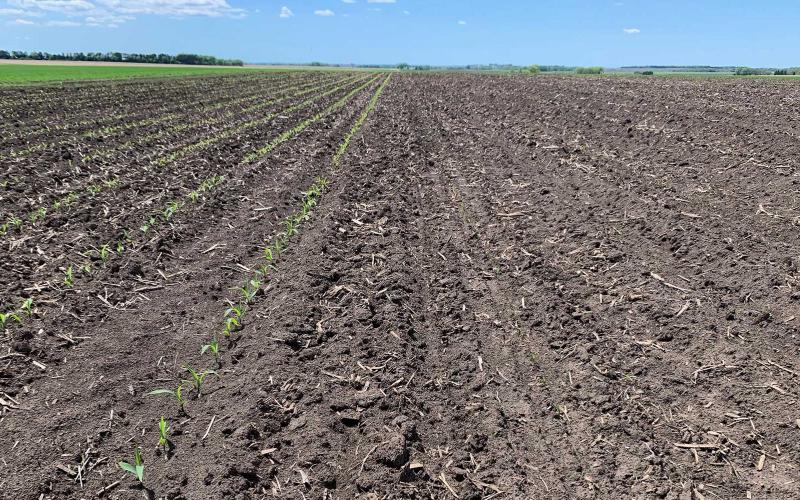
Grassy Weeds
Grassy weeds are a problem in all field crops. They must be identified at early stages of growth so they can be controlled before crop yields are seriously threatened. Control measures are not the same for all grassy weeds, so accurate seedling identification is important.
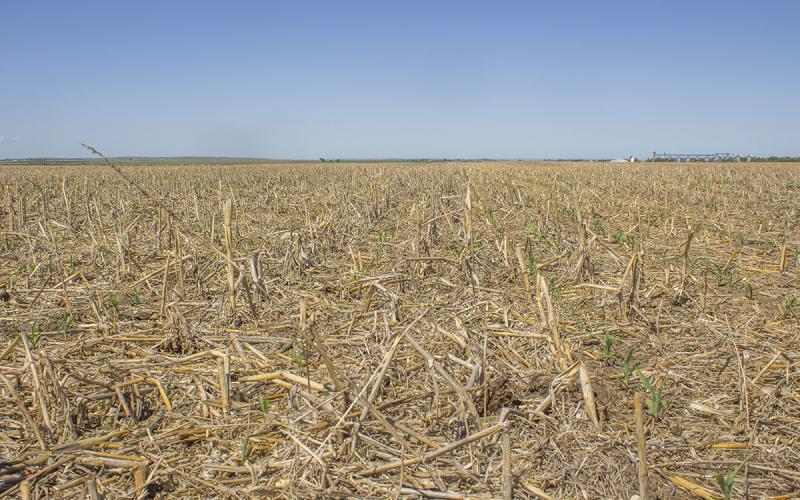
Dry Conditions May Hinder the Performance of Recently Applied Preemergence Herbicides
If a preemergence herbicide does not receive an activating rainfall, generally 0.5 to 1 inch of rain, many weeds will emerge, as the herbicide remains on the soil surface.
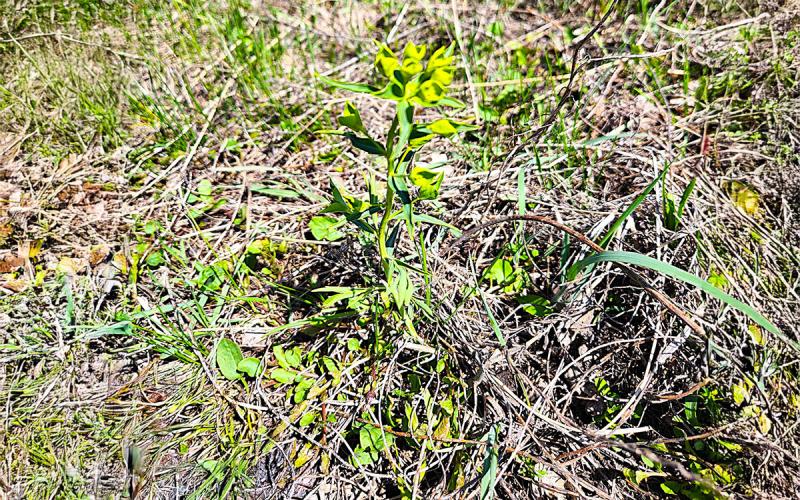
Leafy spurge has germinated and is growing rapidly in South Dakota: Scout carefully!
Leafy spurge can reduce the value and productivity of pasture and displace desirable vegetation. Now is the time to scout for infestations to determine which management tactics will be most effective.