Search

Grape Production Resources
Quality wine grapes can be grown in South Dakota with careful attention to growing site, cultivar selection and production techniques. View a collection of resources for getting started today.
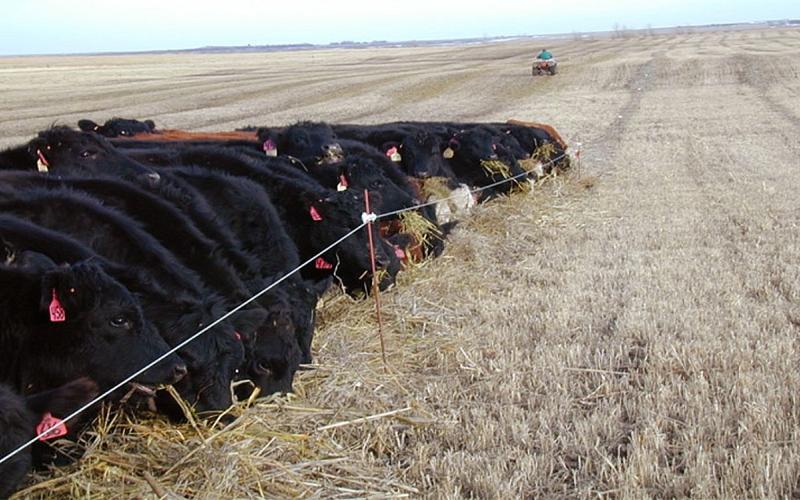
Swath Grazing
Swath grazing can be utilized with various crops and can improve utilization of the crops for feed, while decreasing fuel, harvest and feeding costs and also improving soil health.
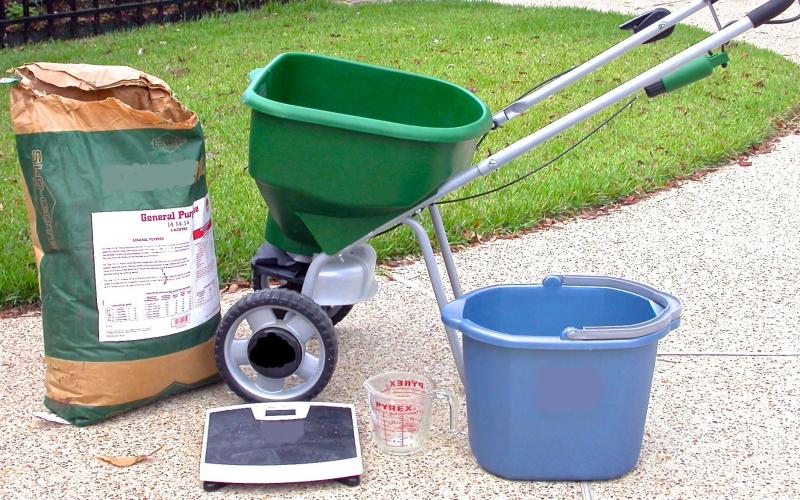
Late-Season Lawn Care in South Dakota
Good late-season management will enhance lawn quality for the remainder of this year and set up the lawn to come out of the spring with improved density, color and fewer weed issues next year.

Considerations for Grazing Standing Corn
Grazing standing corn is a viable option to supply nutrients to livestock. However, mitigating risk is critical to ensure healthy animals and optimize crops.
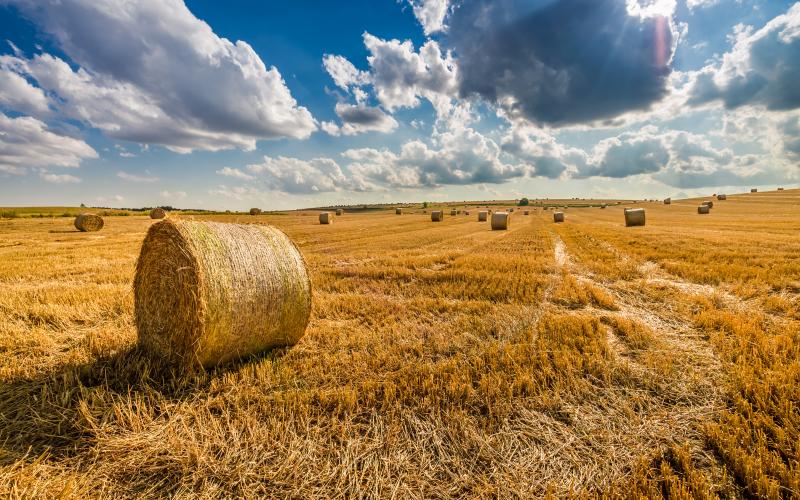
Forage
SDSU Extension works with forage producers, providing them with access to quick tests, research-based information, and best management practices to help maximize yields and nutritional quality of forages.

Managing Alfalfa Under Drought Stress
No one hopes for drought, but if the season should progress into a dry one, these are some considerations to make to ensure the best possible outcome for alfalfa crops.
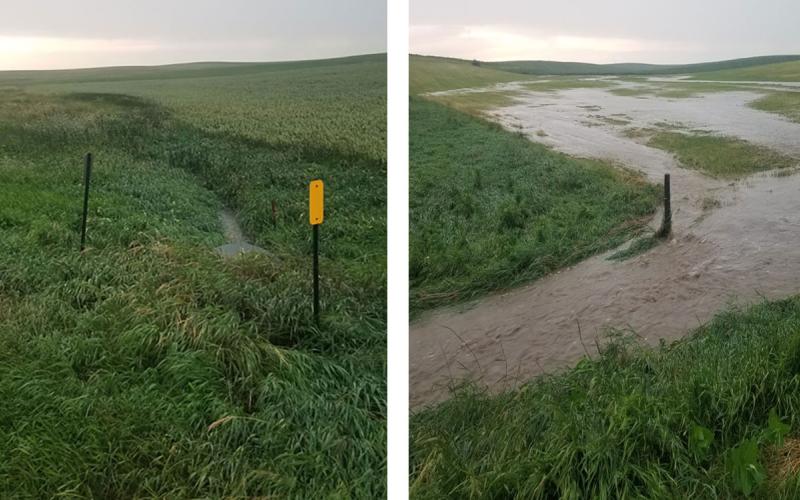
Tale of Two Watersheds
See the difference that cover crops and a no-till cropping system can have on watersheds when high winds and heavy rains impact our region. The difference in the amounts of run-off water is astounding!
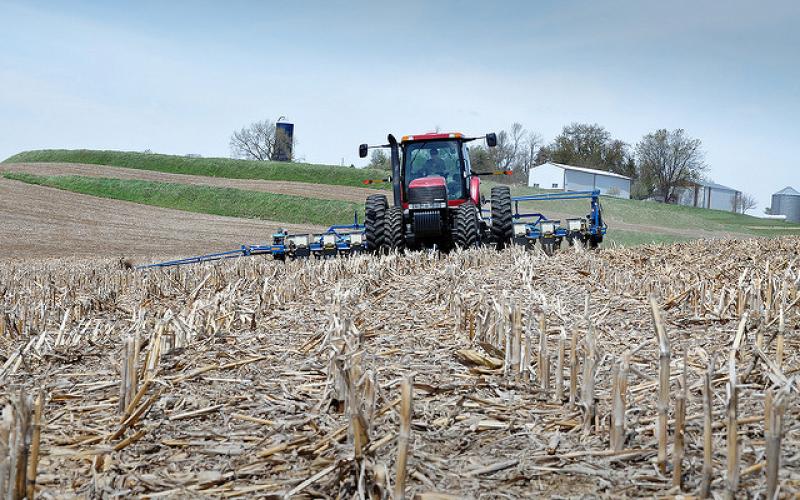
Project to Study Soil Health Economics in South Dakota
Soil degradation has become one of the most pressing global issues, because of its adverse effects on world food security, environment and quality of life.

Clover Cover Crops as a Living Mulch for Pepper Production in Eastern South Dakota: 2022 Preliminary Results
A recent project at the SDSU Specialty Crop Research Field investigated using clover species as a living mulch for pepper production systems to improve soil quality and suppress weeds.
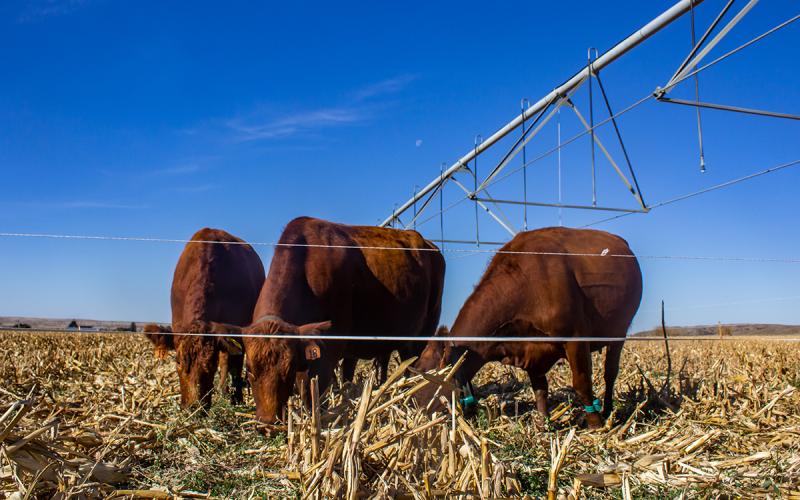
Stretch the Grazing Season by Grazing Corn Residue
Grazing corn residue can be an excellent strategy for stretching the grazing season. Learn some expert tips for making the most of corn residue before switching over to the feed tractor in the winter.