Search
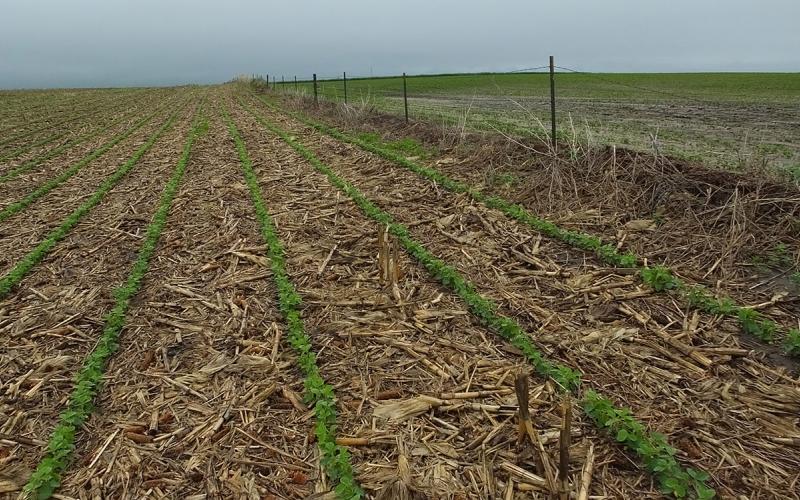
Economics of Different Crop Rotation Systems in South Dakota
Economic returns are an important factor to consider when selecting crop rotation systems.
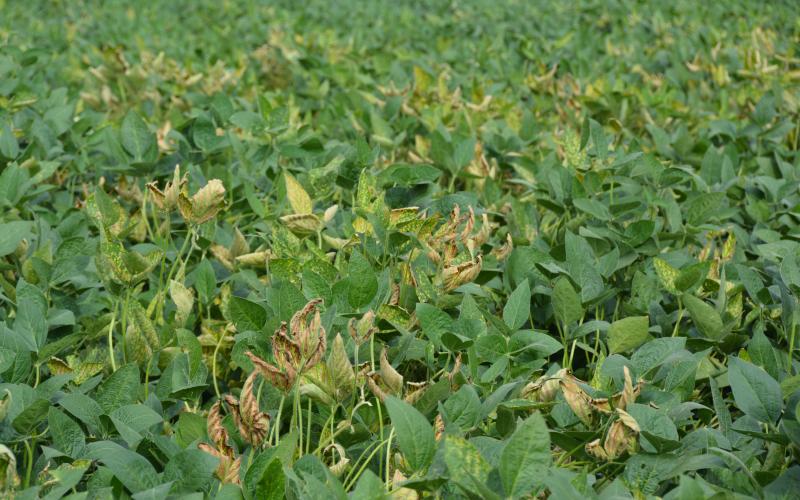
Plant Disease Management Decisions to Make Before Planting
For most plant diseases, in-season management choices are very limited. In fact, there are no in-season management options available for diseases caused by nematodes, viruses, and bacteria.
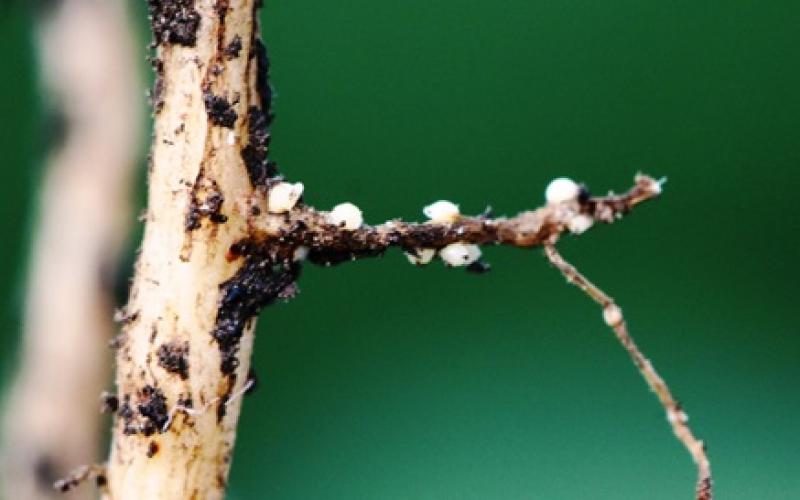
Scout and Soil Test for the Soybean Cyst Nematode
Soybean cyst nematode (SCN) is the main soybean production constraint in South Dakota. Soybean plants can be infested with SCN but may not display visible symptoms.
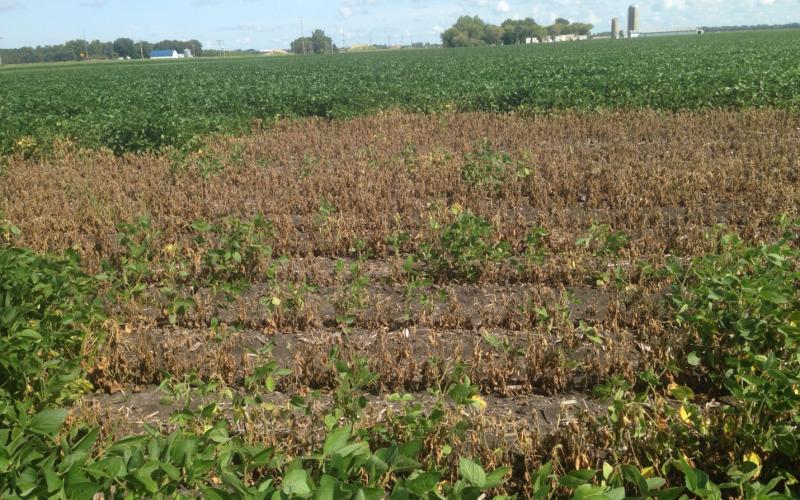
Seeing Dead Soybean Plants in a Circular Pattern? Could Be Due to Lightning
While quite uncommon for lightning to damage row crops, it does happen. Thunderstorms can have lightning that can burn soybeans plants leading to their death.
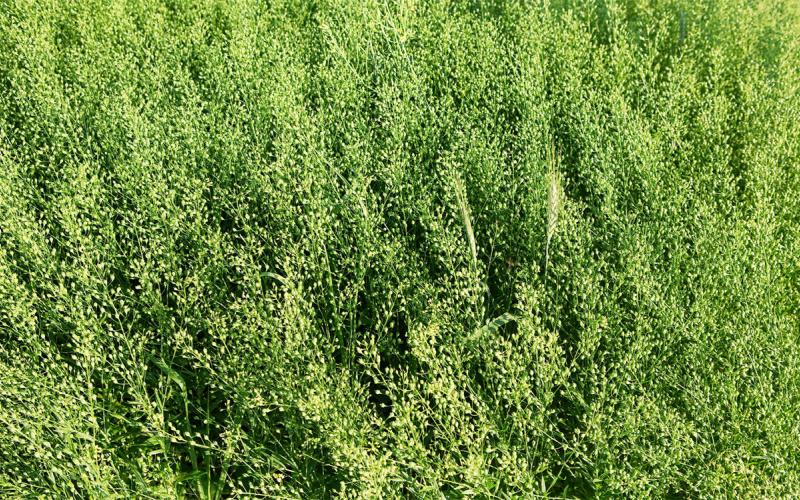
Spring and Winter Camelina in South Dakota
In the semi-arid, western portion of South Dakota, camelina has potential value as a fall-seeded cover crop, providing flexibility in crop rotations for improving soil health.
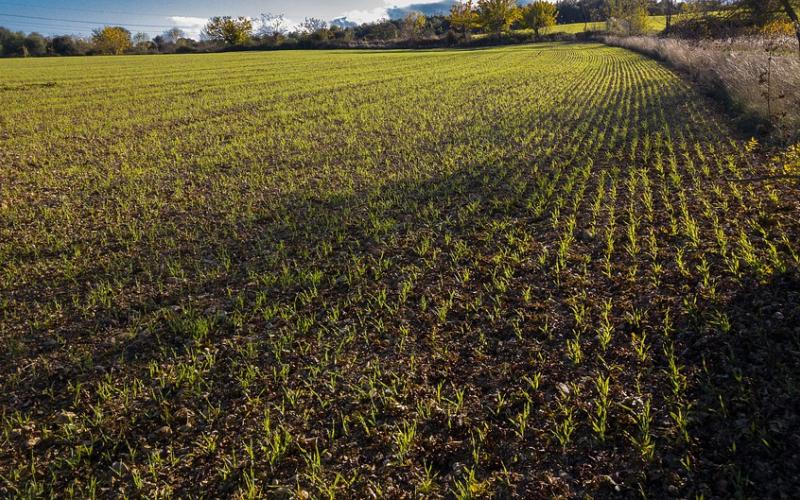
Winter Wheat Planting Date Is Important
A five year study conducted in southwestern South Dakota evaluating seven winter wheat varieties over four planting dates from September 15 to November 1 showed that delayed planting decreases yields. The results determined that planting mid September to the first of October consistently had the highest grain yield over the duration of the experiment.
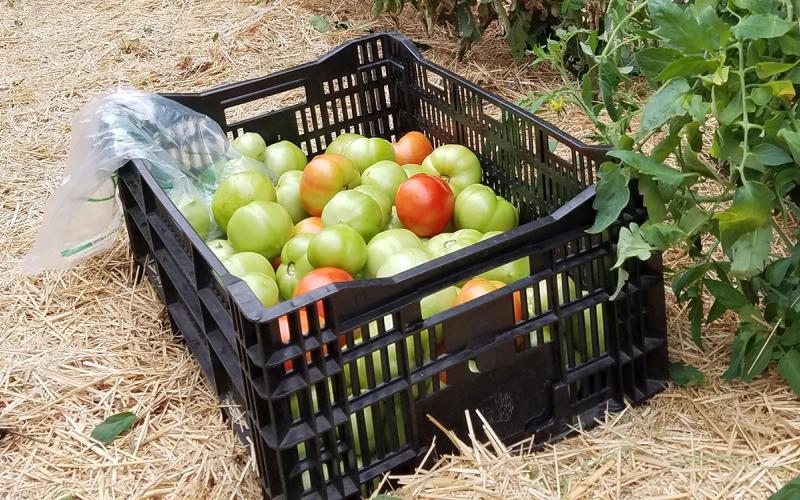
How to Handle Those Green Tomatoes
With cooler temperatures and decreased daylength, gardeners may have an abundance of green, unripened tomatoes this fall. Learn some delicious ways to use them in the kitchen along with some expert tips for ripening them!
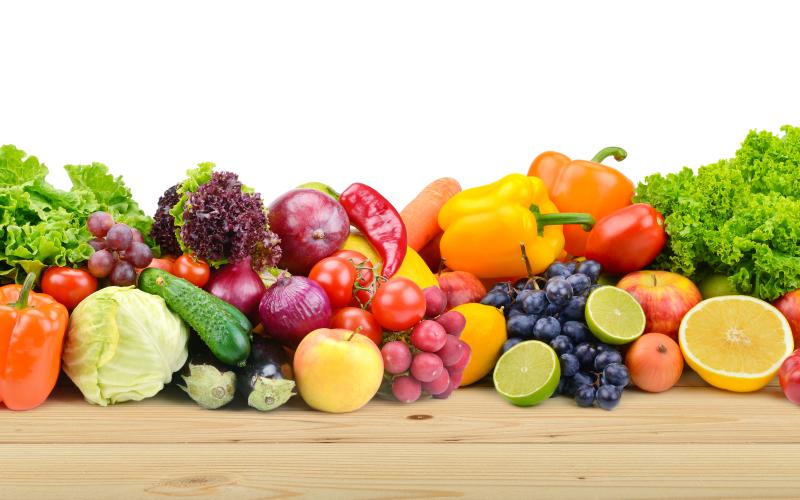
Eat What You Grow
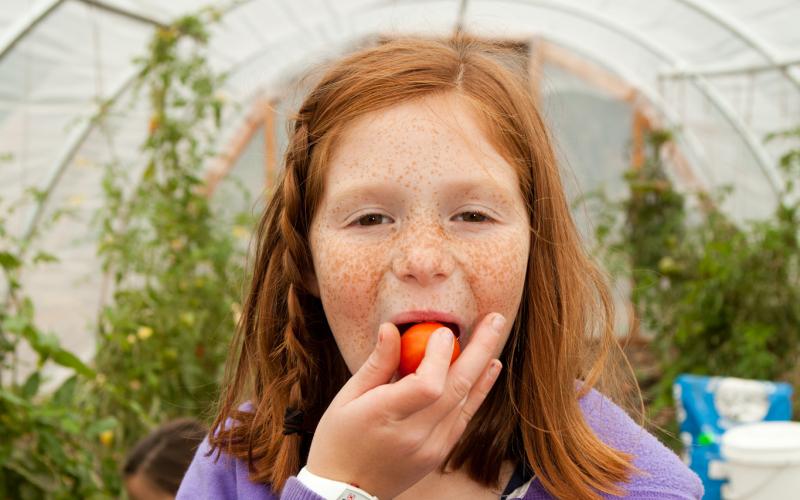
Youth will learn the different parts of plants that we eat, and how to use drying and freezing techniques to preserve foods for later use.
Agritourism
When a producer has decided to sell a product directly from the farm, entertainment or tourism-based activities could be incorporated to create larger appeal. Agritourism could add value to the farm visit though education, entertainment, outdoor recreation, dining, relaxation or other avenues, potentially drawing more customers in.

SDSU Extension Welcomes New Plant Pathology Specialist
November 23, 2022
SDSU Extension welcomes Madalyn Shires as an assistant professor in the Department of Agronomy, Horticulture and Plant Science and SDSU Extension Plant Pathology Specialist.