Search
Planting Considerations for a Late Spring
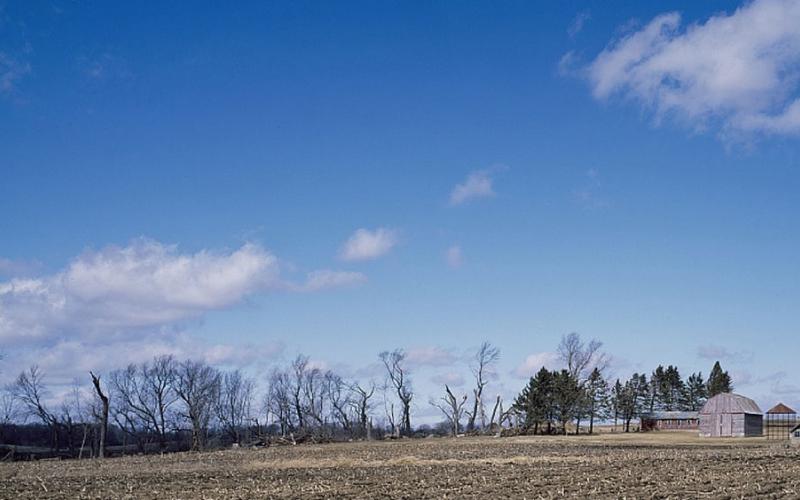
Farm fields in some areas are unusually wet this year with many low areas under water. These conditions will make planting a challenge for farmers this year.
Accounting for Soil Wetness Prior to Conducting Farm Operations to Minimize Compaction
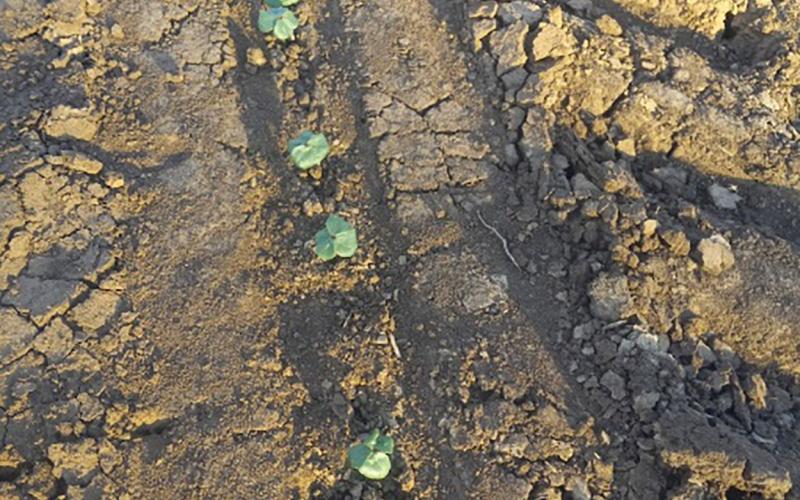
In the spring many agricultural producers are anxious to get into the field and perform tillage, planting, and chemical applications. However, if field operations are done when the soil is too wet, this can lead to soil compaction.
Conserving Soil Moisture During Dry Conditions
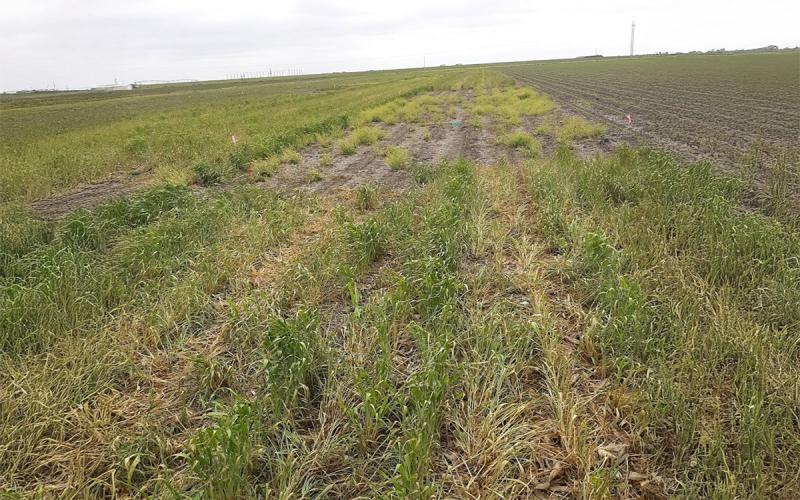
Dry conditions can create difficulties for agricultural producers. Using soil health principles can improve the resilience of agricultural systems to dry conditions.
Gray Sunflower Seed Weevils
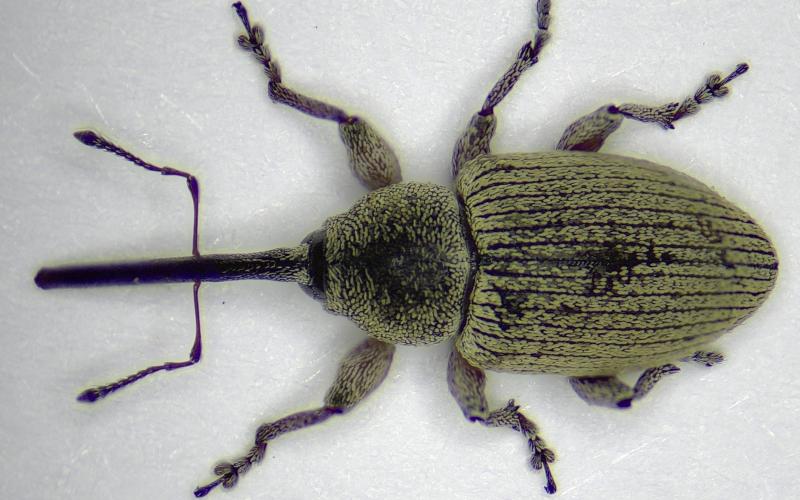
Factsheet on the lifecycle, identification, scouting and management of Gray Sunflower Seed Weevils.
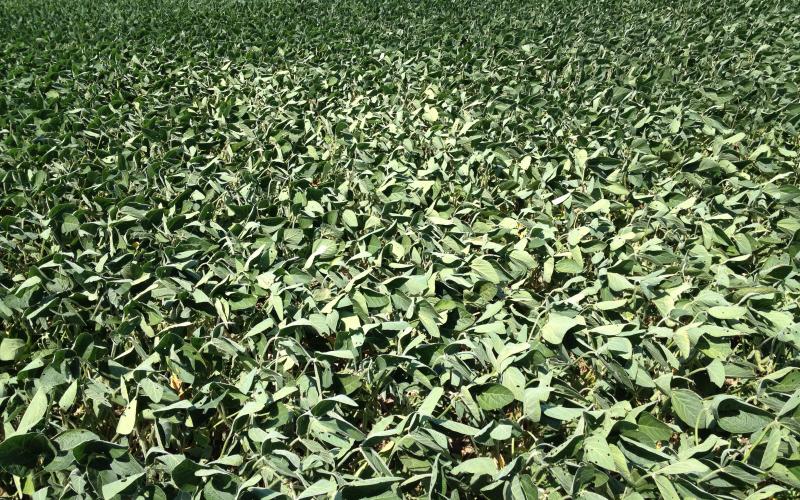
Drought Stress Symptoms in Soybean
Soybeans in South Dakota are in their moisture-critical reproductive stage. Drought stress during this growth stage can significantly impact yield, so here are some things to look for.
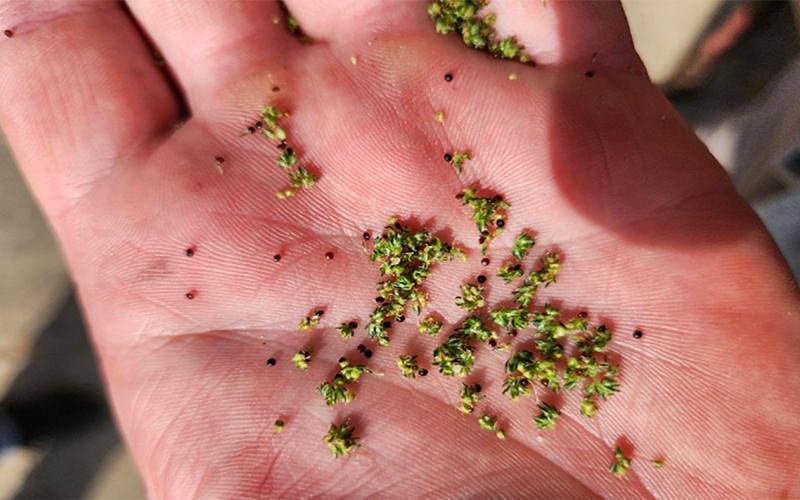
Isolated Female Waterhemp Plant Produced Seed: Implications that pollen is in the air
Recent observations by the SDSU Extension Weed Science team highlight that pollen can move far distances to pollinate isolated female plants. This reinforces the need to effectively manage weeds in fields and adjacent areas.

Wheat Streak Mosaic Virus Management Before Planting
Wheat streak mosaic virus is one of the important diseases in winter wheat and can lead to severe yield losses. Learn how it can be effectively mitigated by using proactive management in your fields.

Time To Harvest Those Winter Squash
One of the wonderful things about having a vegetable garden is having access to fresh produce all season long. Now that the growing season is closing down, you likely still have some vegetables left to harvest, particularly the winter squash. The great thing about squash is that they usually store well so they can provide food for several months during the fall and winter.
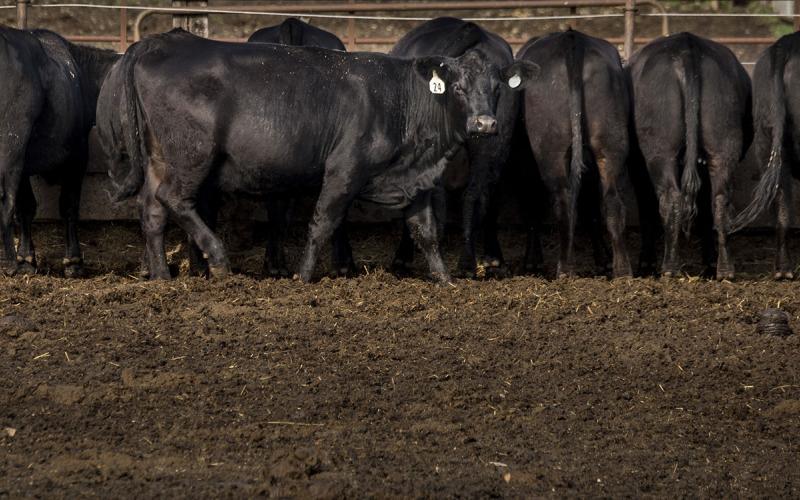
Feeding Damaged Wheat to Cattle
Feeding damaged wheat to livestock is one way to salvage value from the crop. Wheat can work well in cattle diets with some limitations.

Wet Corn: Storage and Late Harvest Options
With a very challenging harvest in many parts of south and southeastern South Dakota this year, farmers were faced with difficult decisions. Wet, unfrozen ground in many areas and high grain moisture forced many farmers had to make a decision: harvest the wet grain, or let it stand in the field.